Chana Martineau sees a seat at the table for Indigenous owners in every major project
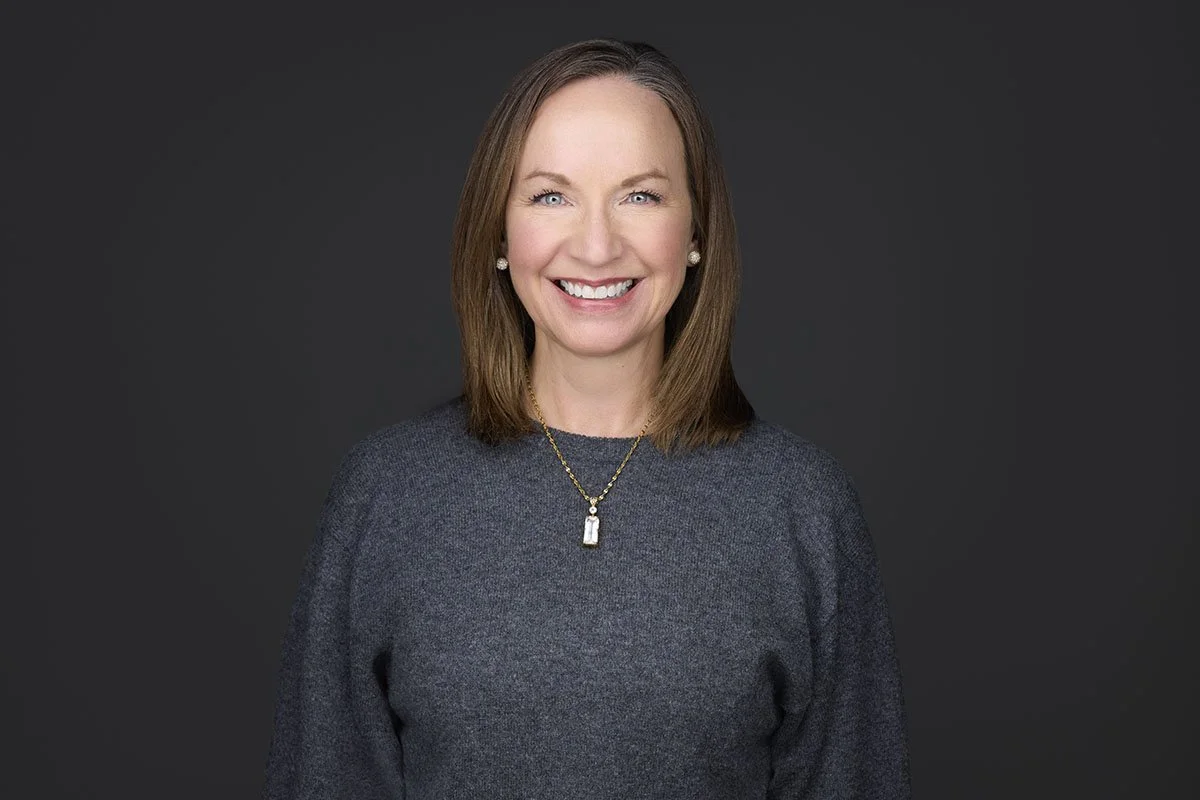
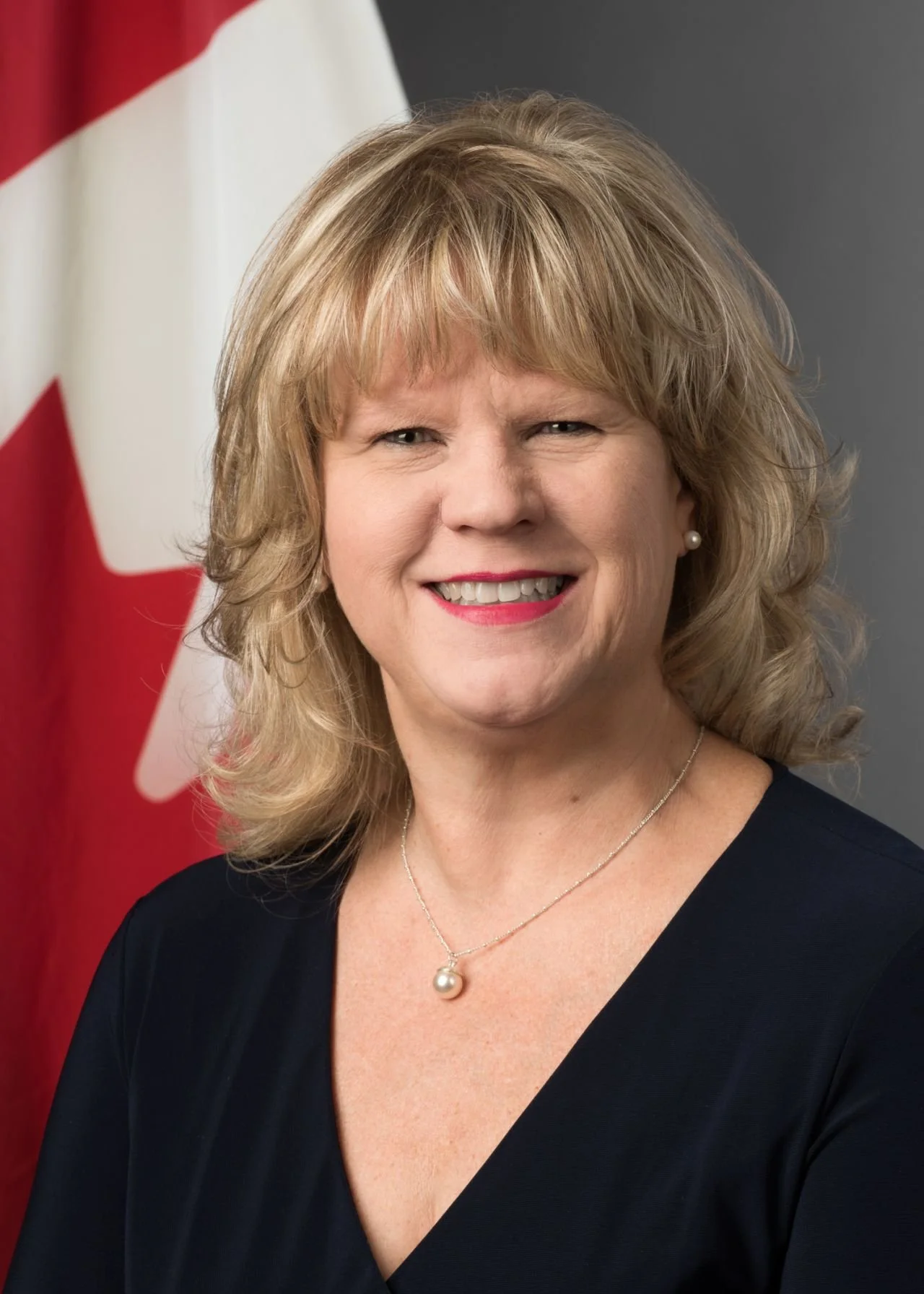
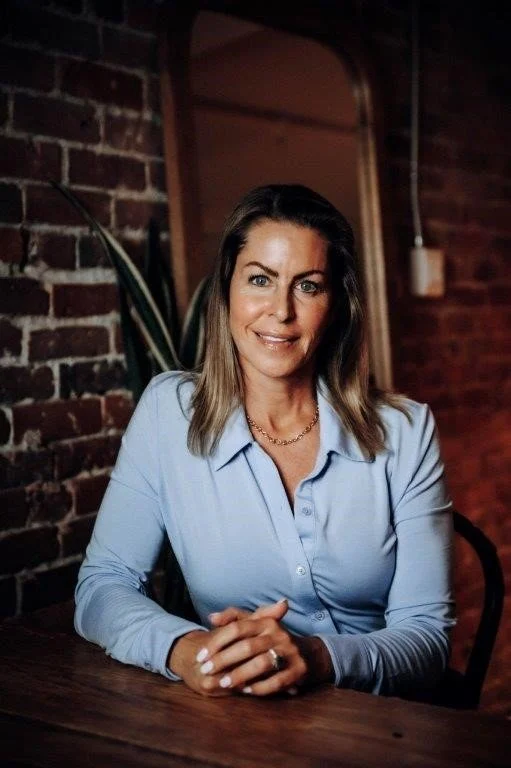
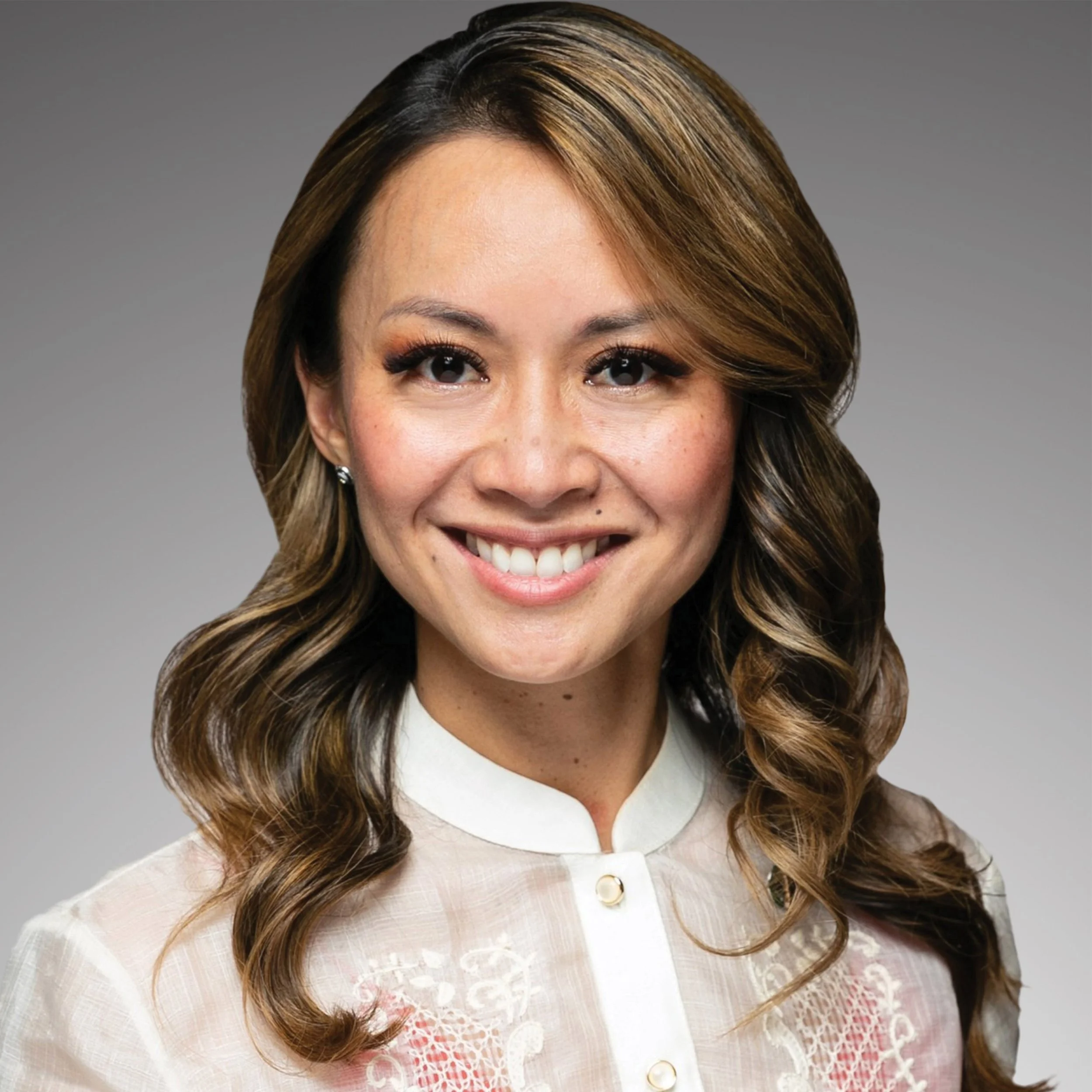
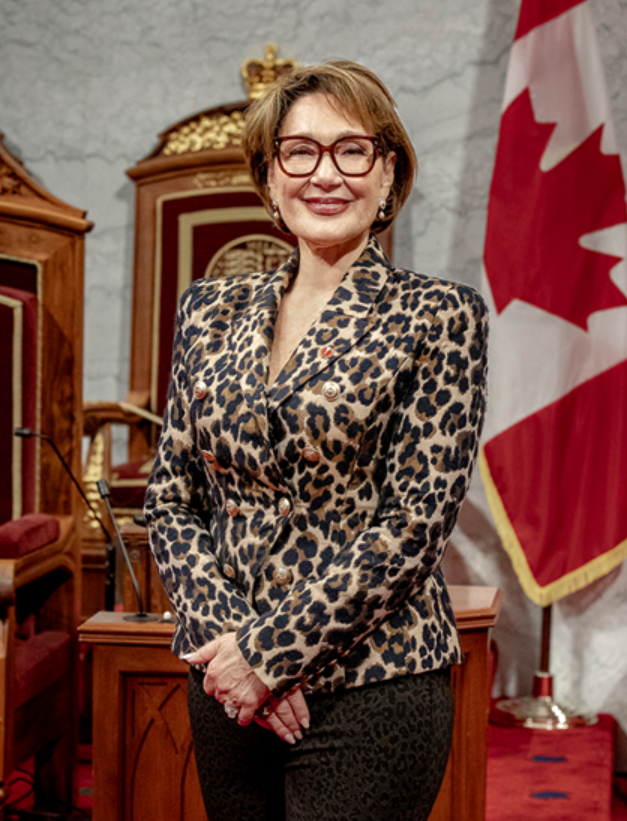
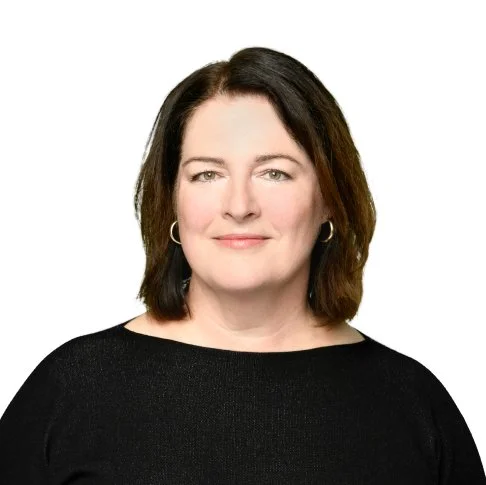
‘It feels like the country has started to move again, and big investment decisions are being made. We need economic growth to provide Indigenous participation, and we're really seeing that come to life,’ says Chana Martineau. / AIOC PHOTO
Canada’s push for energy security and economic growth is creating new opportunities for Indigenous ownership in major projects. At the centre of that shift is Chana Martineau, CEO of the Alberta Indigenous Opportunities Corporation.
AIOC is a provincial Crown corporation that provides government-backed loan guarantees to enable Indigenous Nations and groups access to capital and the ability to take equity ownership in major projects. It’s helping to generate long-term economic benefits and advance economic reconciliation, Martineau told Means & Ways.
“Without economic sovereignty, it is extremely challenging, if not impossible, to have true sovereignty,” she said. “It feels like the country has started to move again, and big investment decisions are being made. We need economic growth to provide Indigenous participation, and we're really seeing that come to life.”
The comments come as the federal government, British Columbia, Saskatchewan, Manitoba and Ontario have all launched or expanded Indigenous loan guarantee programs modeled in part on Alberta's approach.
Building an investment network
“The vision really is building a network of Indigenous investment vehicles that can work together,” said Martineau, a member of Frog Lake First Nation on Treaty 6 Territory.
Since its inception in 2019, AIOC has supported 43 First Nations and Métis groups across nine projects, impacting over 60,000 people and deploying over $745 million of its now $3 billion loan guarantee mandate. Over $1.4 billion is expected to flow back to participating Indigenous Nations and groups over the life of these deals.
When Indigenous communities gain equity stakes in major projects, she says, the economic benefits compound locally. “What we've seen here in Alberta is when you're driving economic growth into Indigenous communities, those communities then use that capital to reinvest in their communities,” she said, noting that the communities source local trades and goods to build. “It's the nature of our culture, and so you're not going to get, say, an Indigenous group sourcing steel from China, typically, to construct something. We will look for other Canadian vendors, other local suppliers first.”
Looking ahead, she described long-term Indigenous wealth creation as rooted in a generational outlook — building prosperity “not quarter by quarter” but across decades, reflecting what some Indigenous Peoples consider a “seven generations view.”
“You want to build wealth for the long term. But I think that's true of all people. All people want long-term prosperity for themselves, their families, their broader families, their communities, right? So, the goal is to do that in a sustainable way,” she said.
The following Q&A was edited for length and clarity.
M&W: You operate at the intersection of Indigenous governance, capital markets and public policy. What first drew you to this space?
CM: I feel like my whole career has led to me having this role. I always wanted to find a way to give back to Indigenous Peoples. As a First Nations woman with 30 years of financial experience across various sectors of the finance industry, it was a natural fit for me.
“Success looks like Indigenous ownership in every major project undertaken in our province and our country.”
M&W: Given the geopolitical and trade uncertainty issues that Canada is facing right now, what do you see as the AIOC’s role in economic growth and sovereignty?
CM: I think that this is the first time Indigenous People have the opportunity to really help shape Canada's economic infrastructure. Through major projects, for the first time, Indigenous People will have a seat at the table as owners. That is a tremendous opportunity. Our role is to help facilitate that ownership.
M&W: How do you balance commercial discipline with public interest mandates?
CM: I think they're intertwined. You need commercial discipline to be able to deliver your public interest mandate. All [AIOC] deals must be commercially viable, and sometimes that means that we have to separate business from the politics. What might seem like a good idea from a political perspective isn't necessarily the best transaction from an economic perspective.
I'm very mindful that we are stewards of the provincial balance sheet, and we need to do our best to find the very best investments. Indigenous communities count on the revenue from the investments that [AIOC is] supporting — that investment stream needs to be secure for them.
M&W: Are there any structural barriers that still limit Indigenous participation in major projects? And if so, what are some of the solutions?
CM: The loan guarantees do not solve for all issues. Typically, we [backstop] 100 per cent of the investment, so the projects have to have enough revenue to be able to provide certainty to pay back that debt. Our risk tolerance is very low.
I think every step that we take through enabling Indigenous economic participation is a step forward for our nation (Canada) in a positive direction.
How can organizations better support women in executive and board level roles?
CM: I didn't realize until I left an organization how important it is to have people see people like them at the executive table. … Sharing our stories, being visible, explaining to people that it's not always easy [is important]. I was a single mother for many years as an executive — sharing the challenges and that there is a path forward and you can do it and that we're here to help, I think that's the most important part. I always had people that believed in me, and having those people’s support meant the world to me.
M&W: 10 years from now, what would success look like for you?
Success looks like Indigenous ownership in every major project undertaken in our province and our country.
M&W: What risks or blind spots do you see in the current energy transition debate?
CM: AIOC supports Indigenous investments in conventional energy. One of the things that I get asked is, do Indigenous people really support conventional [energy], oil and gas? I say yes every day, and we are supporting that investment regularly.
To move forward into the new economy, Indigenous People need to participate in the economy of today, and that includes conventional energy. That is a key foundation to our national income. The way we will support energy transition and other growth objectives is underpinned by energy revenues.