Charting a new course: Why Julie Gascon swapped a spreadsheet for the St. Lawrence
When Julie Gascon took the helm of Montreal Port Authority in February 2024, she stepped into one of the most strategically important roles in Canadian trade. As President and Chief Executive Officer, she now oversees a gateway that handles tens of billions of dollars in goods annually, and connects central Canada to more than 140 international markets.
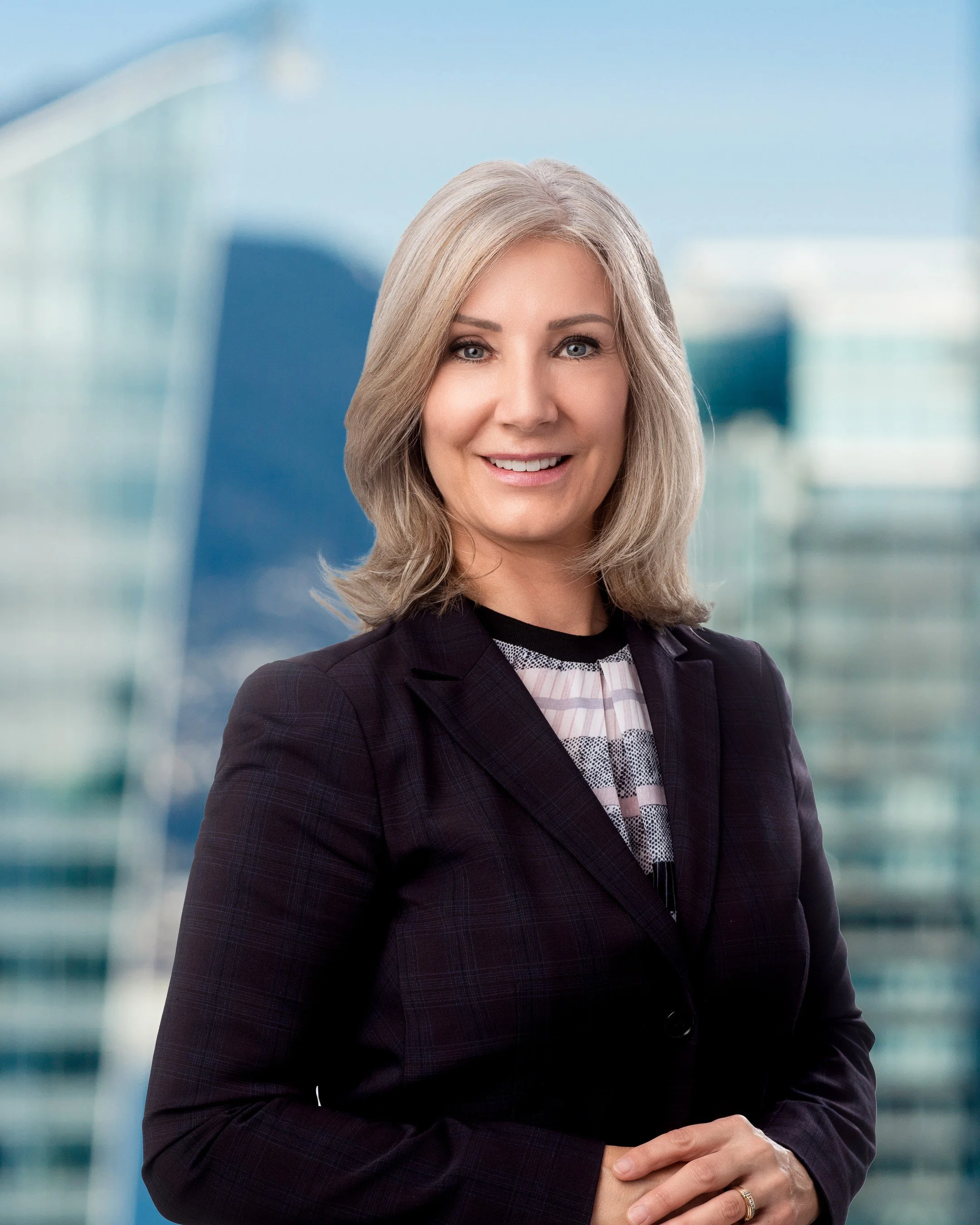
‘I managed my whole career as if it were a business and there were strategic objectives at each phase. Even if my goals changed, there was always a plan to get to that next stage,’ says Julie Gascon. / TRANSPORT CANADA PHOTO
It was a long way from the career she once imagined for herself.
In her early 20s, Gascon was finishing a business degree in Montreal, on track for a stable future in accounting. But the path felt misaligned: “I kept on asking myself if this is what I wanted to do with my life,” she said in 2024.
What she wanted, she realized, was a job that was exciting and helped others. When her father informed her of a Coast Guard base in Quebec and college in Nova Scotia, Gascon realized she wanted to train for the Search and Rescue Program. Even though she knew nothing about a career on the water, she was hooked by her first sea phase.
After graduating from the Coast Guard College, and later earning a nautical sciences degree from Cape Breton University, she began sailing with the Canadian Coast Guard in 1998. She sought out international commercial vessels to accumulate the sea time required to become a Master Mariner, which she achieved in 2005.
After years as a Chief Officer, Gascon realized that becoming a captain was not her ultimate ambition, and pivoted into marine safety and regulatory roles at Transport Canada, rising through senior management positions there and at the Canadian Coast Guard.
Contrecoeur expansion
Before assuming her role at the Montreal Port Authority, she was appointed Chief Executive Officer for the Pacific Pilotage Authority on the West Coast.
When Gascon arrived in Montreal, she inherited both opportunity and pressure. She is overseeing the port’s most visible project, the Contrecoeur expansion, a new container terminal planned along the St. Lawrence River, scheduled for commissioning in 2030. In a joint development agreement with DP World’s Canadian operations, Gascon emphasized the project’s significance.
“This project is designed not only to meet the growing need for business diversification but also to create long-term value by supporting Canadian economic sovereignty as global trade evolves. We are a maritime nation, and the future of international commerce will pass through our ports,” Gascon said.
The project was recently referred to the Major Projects Office as a project of national significance. In announcing it as a project to potentially be fast-tracked, the government said, “This project will expand the Port of Montreal’s container capacity by approximately 60%, to give Canada the trading infrastructure it needs to keep goods moving, meet growing demand, and diversify trade routes. It will deploy AI capabilities to strengthen supply chains, create thousands of jobs, and generate lasting economic benefits across Québec and Canada.”
“We are a maritime nation, and the future of international commerce will pass through our ports.”
Navigating the maritime world
Throughout her career, Gascon has approached each step with a clear sense of direction.
“I managed my whole career as if it were a business and there were strategic objectives at each phase. Even if my goals changed, there was always a plan to get to that next stage,” she said.
But to Gascon, the life of a seafarer, which is vast in opportunity, is “perfect for someone who wants to be connected to everything.”
“Everything that we’re able to access in our modern lives comes to us from the sea,” she added.
She has also encouraged more women to consider maritime careers, though women can sometimes feel pressure to prove themselves. “You learn very quickly that this is exhausting,” she said.
Despite this, Gascon describes the maritime community as supportive and tightly connected.
“It’s a community that knows you need to be there to support each other,” she said.