Zita Cobb: Why Canada’s tourism sector is stalled on the tarmac
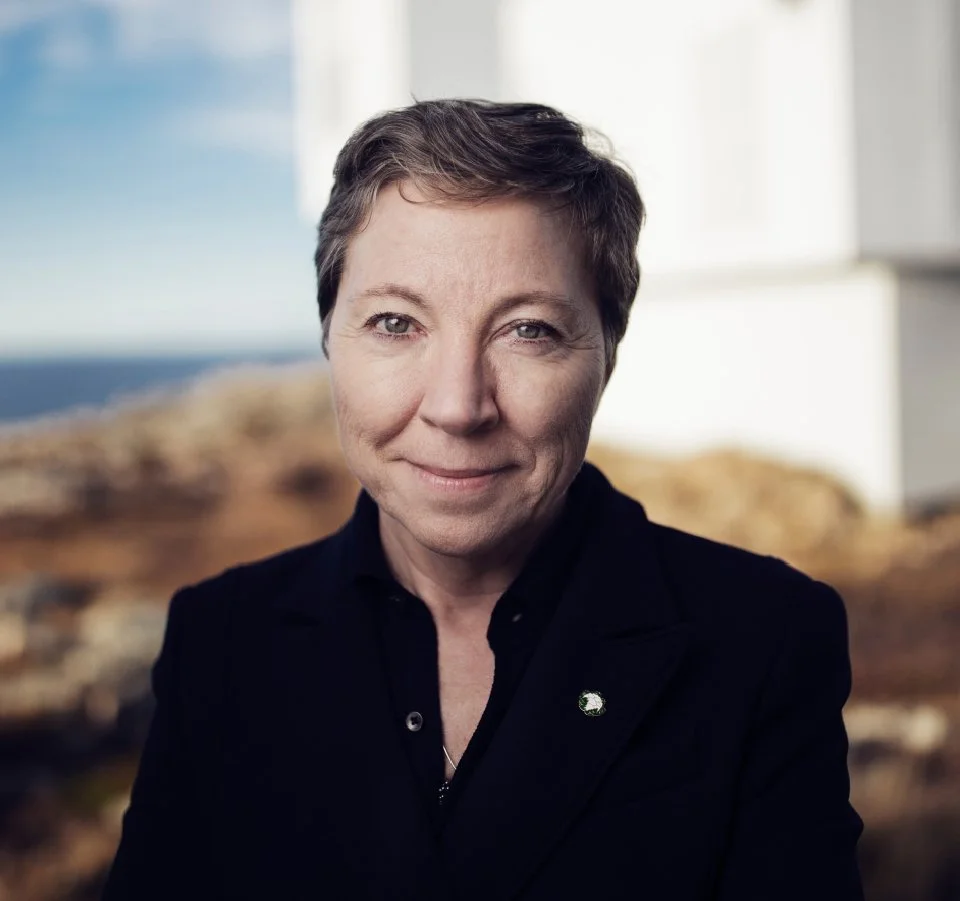
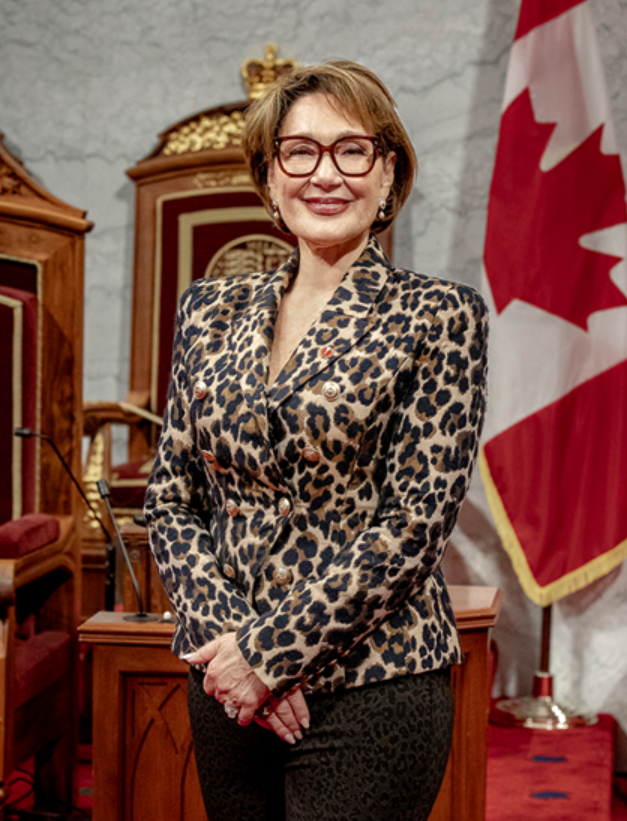
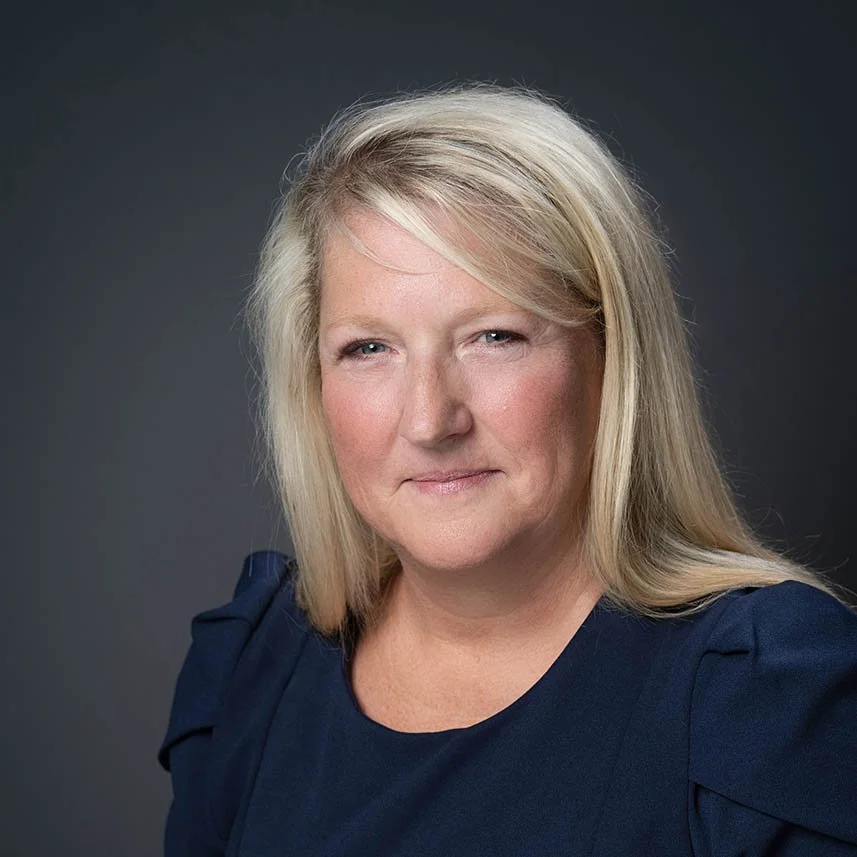
‘That little inn has added $250-million to the economy of not just Fogo Island, but to Canada and Newfoundland,’ says Zita Cobb.
/ SHOREFAST PHOTO
Zita Cobb, whose Fogo Island Inn is a test case for how local assets can drive sustainable growth, says Canada should commit to expanding regional air access if it wants to grow its lacklustre tourism sector.
Cobb built a successful career in technology before returning home to Fogo Island, a windswept outport off Newfoundland’s northeast coast, with a population of about 2,000 and a tradition of fishing that once anchored the local economy. After the cod fishery collapsed, devastating the region, she set out to prove that small places could still shape their own economic future.
In 2013, she drew on the island’s innovative spirit to open the Fogo Island Inn, a luxury hotel that serves as a showcase for local culture and an economic engine. The Inn, now recognized with the Michelin Guide's highest “Three Key” rating, and which has hosted famous guests such as Gwyneth Paltrow and David Letterman, channels profits back into the local economy.
Cobb’s advocacy extends beyond her own ventures. She argues Canada’s tourism sector — currently underperforming compared to other OECD countries — “should account for at least 7% of national GDP.” The missing link, she said, is a national commitment to regional air access.
“Every flight that lands adds millions to our economy,” Cobb recently told The Globe and Mail. “If we leave it to the market, which is what Canada has done, it won’t happen.”
Hanging by a thread
She calls tourism a catalyst for broader economic growth, supporting culture, institutions and local infrastructure.
The Fogo Island Inn, she added, “hangs by one thread of a flight.”
According to a 2023 report published by Destination Canada, “one in 10 jobs in Canada is dependent on tourism. As such, the broader impact of tourism contributes to improving the quality of life for residents and fostering community strength.”
After earning a business degree in Ottawa, Cobb rose to become chief financial officer at JDS Fitel before retiring early and turning her focus to rebuilding Fogo Island’s economy. Her work has received national and international recognition. She was appointed to the Order of Canada in 2016 and became the first social entrepreneur in the Canadian Business Hall of Fame. In 2015, she was awarded the degree of Doctor of Laws at Carleton University.
Cobb’s approach offers a practical example for policymakers, business leaders and communities seeking to grow tourism and build community wealth. Her model shows how local assets can drive inclusive, sustainable economic development.
Her philosophy is simple: aside from visitors, tourism is about trade, education, and long-term investment. “Trade follows tourism,” she said. On Fogo Island, that process led the community to draw on its culture of hospitality and tradition of making.
A quarter of a billion dollars and counting
In 2004, Cobb and her siblings founded Shorefast, a social enterprise focused on place-based economic development. The Fogo Island Inn, created through Shorefast, has become a key economic driver for the island. “That little inn has added $250-million to the economy of not just Fogo Island, but to Canada and Newfoundland,” she said.
“Cobb’s approach offers a practical example for policymakers, business leaders and communities seeking to grow tourism and build community wealth. Her model shows how local assets can drive inclusive, sustainable economic development.”
Shorefast’s community initiatives began with an artist residency in 2010 and have since grown to include a geologist-in-residence program, which explores Fogo Island’s distinctive landscape. Residents applied their skills to launch a furniture business supporting the Inn, and used the island’s 26 edible berry varieties to start a local ice cream company.
The organization is also behind the New Ocean Ethic, which calls for a fundamental shift in how people view and manage the ocean — as a limited resource that demands greater care and responsibility.
As their ethics mandate states, “If we are to continue to benefit from the bounty of the sea, we have to rethink the way we use and manage it.”
On the podcast How Do We Not Go Broke, hosted by Stephen Marche, Cobb advocated for grassroots solutions over top-down approaches. She encouraged communities to ask themselves: “What do we have here? What do we know? What do we love? What do we miss? And what can we do about it?”
That thinking is now expanding beyond Fogo Island. In December 2025, Cobb launched the Shorefast Institute for Place-Based Economies, a national initiative aimed at helping communities build economic strength by developing strategies rooted in local assets and knowledge.
The institute works with communities, governments and businesses to share models and research on place-based development, support local entrepreneurship and explore new financial tools that can strengthen regional economies.