Danièle Henkel: Women’s health isn't a cost—it’s an economic powerhouse
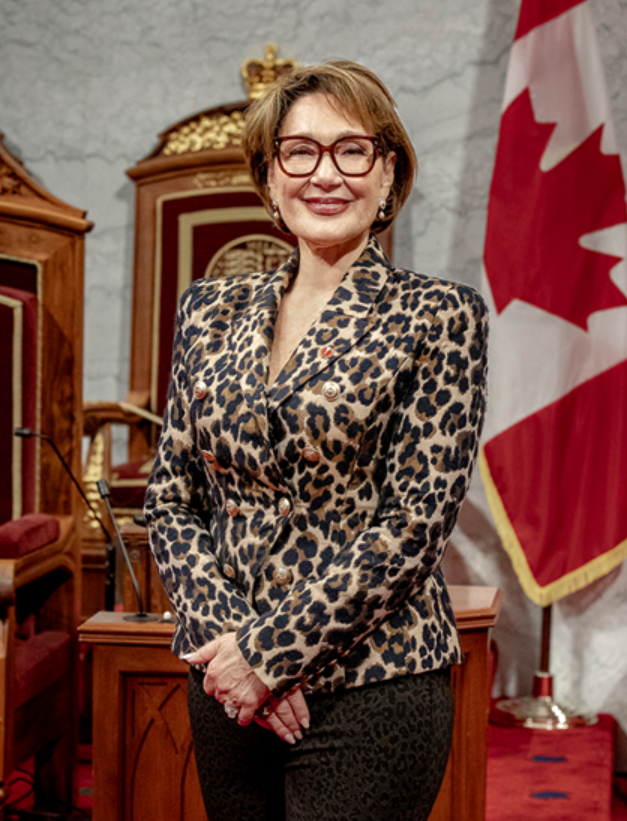
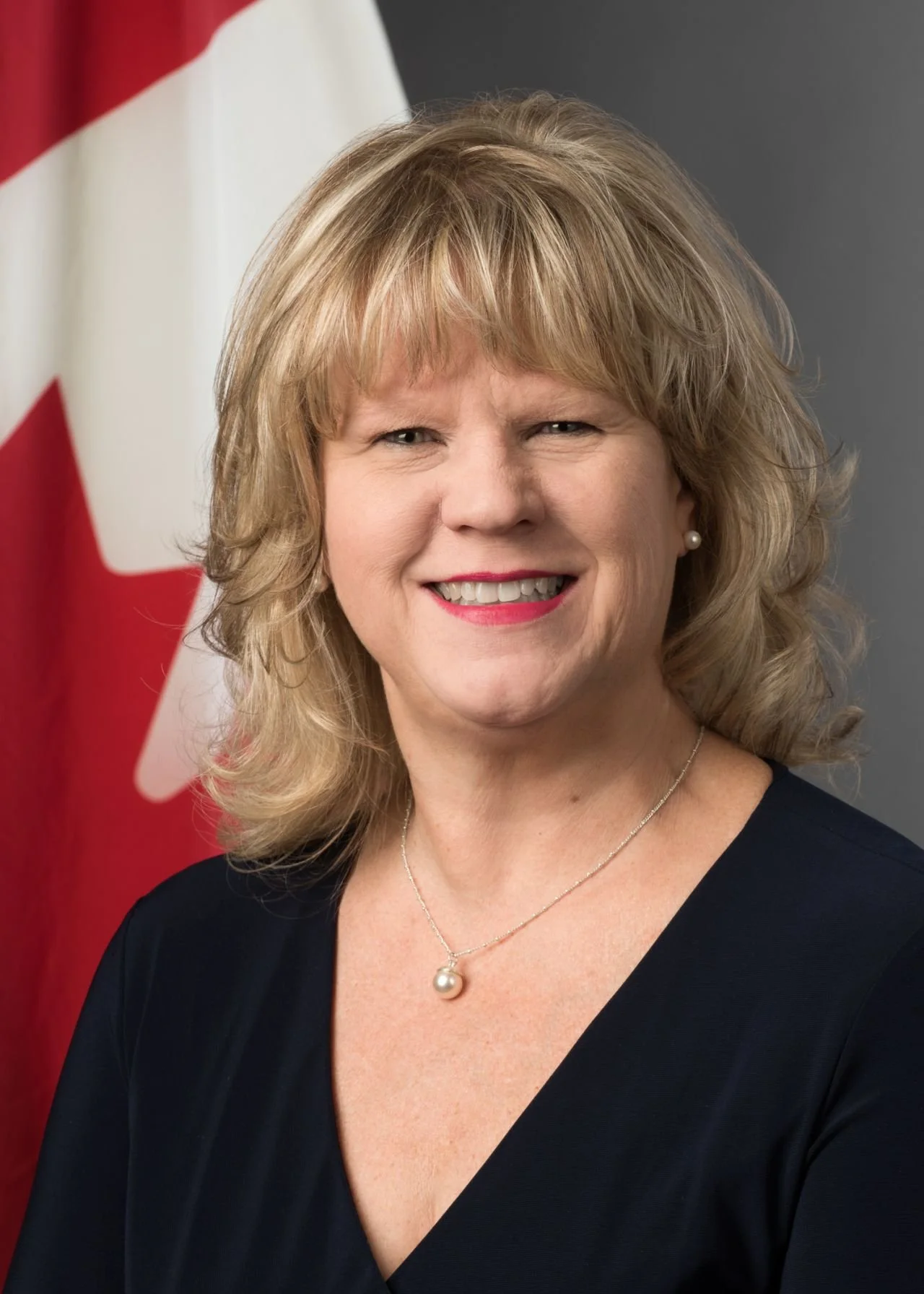
‘Let’s be clear: Canada is basically groping its way in the darkness today when it comes to women’s health,’ says Senator Danièle Henkel. / DANIELEHENKEL.COM PHOTO
As a champion for women’s health, Danièle Henkel is reshaping the national healthcare conversation from the heart of Canada’s Senate.
The Montreal-based entrepreneur, senator and cancer-survivor has become a driving force behind Bill S-243 — a landmark proposal to create a national framework for women’s health. Henkel’s leadership is galvanizing policymakers and advocates alike as she seeks to redefine the landscape of healthcare for women across the country.
Appointed to the Senate in February 2025, Henkel found Canada lacked a comprehensive women’s health policy. “What I discovered was nothing,” she told The Hill Times. The only existing strategy dated to 1999, with little regulation or coordination, a gap that prompted her legislative push.
Bill S-243 calls for a coordinated approach, requiring the federal government to work with provinces, territories, Indigenous Peoples and civil society to develop the framework.
Henkel draws on personal experience in advocating for change. “For nearly 30 years, I have worked in a sector that directly affects women’s lives. I have listened to their stories, their pain, their concerns, their incomprehension in the face of a system that too often does not hear them or believe them,” she said in the Senate during debate on the bill. “I myself have gone through the ordeal of cancer, as has my youngest daughter. Like so many other women in Canada, I have seen first-hand how symptoms are trivialized, diagnoses are slow to come and prevention is inadequate.”
Treat women’s health as a driver of equity and prosperity
“This bill is a natural extension of my journey as a woman, an entrepreneur, a mother and an immigrant who holds the unwavering belief that women’s health is not a cost but a driver of equity, dignity and prosperity for the entire country,” she said.
Henkel credits partnerships with the Women’s Health Coalition and input from more than 30 senators and 20 MPs in shaping the bill’s priorities.
Born in Morocco and educated in Algeria, Henkel began her career as a political and economic advisor at the U.S. Consulate General in Algiers. She immigrated to Canada in 1990 and founded Entreprises Danièle Henkel Inc., later launching the Académie Danièle Henkel. Her companies have trained over 10,000 professionals in medical aesthetics, education, and media. Henkel also appeared as an investor on Quebec’s “Dans l’œil du dragon” and founded Henkel Média.
Canada ranks 64th on the Hologic Global Women’s Health Index, trailing peer countries. The United States is 38th, the United Kingdom is 41st and Germany is sixth. In a 2024 report, the World Economic Forum noted that addressing gaps and shortcomings in women’s health could add 500 healthy days over a woman’s life. It could also boost Canada’s economy by $37 billion a year by 2040, based on a 1.7% increase in per capita GDP, the report says.
“Beyond the economic cost, there is a human cost that is endured by women across the country and far too often ignored. This is intolerable. ”
The numbers are ‘life stories and real women’
“Let’s be clear: Canada is basically groping its way in the darkness today when it comes to women’s health,” Henkel said. “Beyond the economic cost, there is a human cost that is endured by women across the country and far too often ignored. This is intolerable. We can’t look at investing in women’s health as more public spending; we need to look at it as a means of strengthening our families, our social fabric and our economy. Canada sees itself as — and claims to be — a leader in equity, equality and diversity. Here is an opportunity to translate that ambition into meaningful decisions. We must never forget that behind all these numbers are life stories and real women.”
The bill, now at second reading, would require a framework to be tabled within one year and a five-year report on effectiveness. The bill calls for increased research funding, improved access to primary care, and enhanced medical education focused on women’s health. It would make women’s health a standing agenda item for federal, provincial, and territorial health ministers, with national conferences every three years.
“This is not a one-off, performative or symbolic approach,” she told the Senate. “All of these obligations finally establish a clear and transparent cycle of monitoring, evaluation, and parliamentary accountability with respect to women’s health.”
She said many women have written to her since the bill was introduced, “describing difficult treatments, unbearable pain and a deep sense of abandonment. Some recount procedures that are considered routine yet had consequences that have turned their lives upside down: chronic pain, loss of mobility, loss of intimacy, inability to work.”
While she notes the legislation doesn’t “claim to solve everything,” it’s a start. “It proposes the conditions required to do better: better as in fairer and more thorough,” she said. “The status quo is absolutely untenable.”