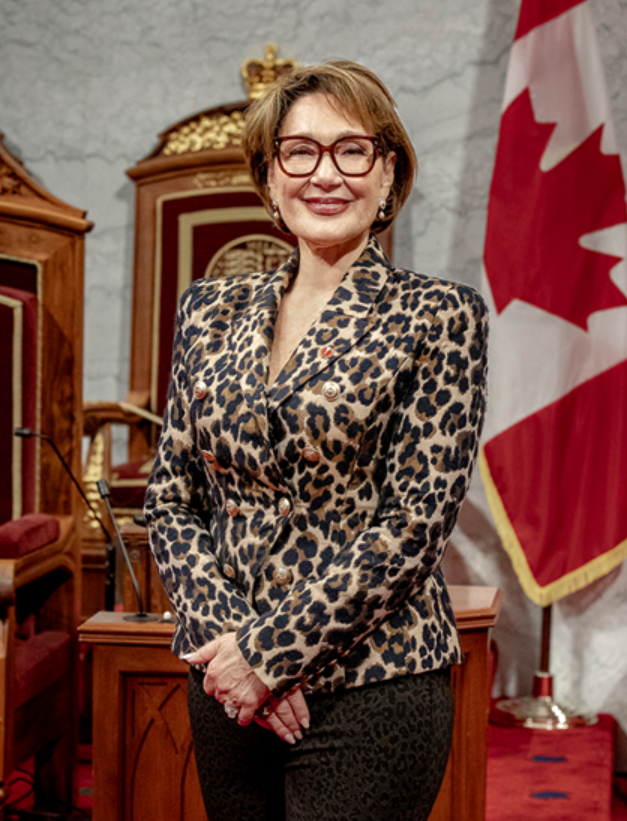
Agnes Augustin on why our children can no longer be a policy afterthought
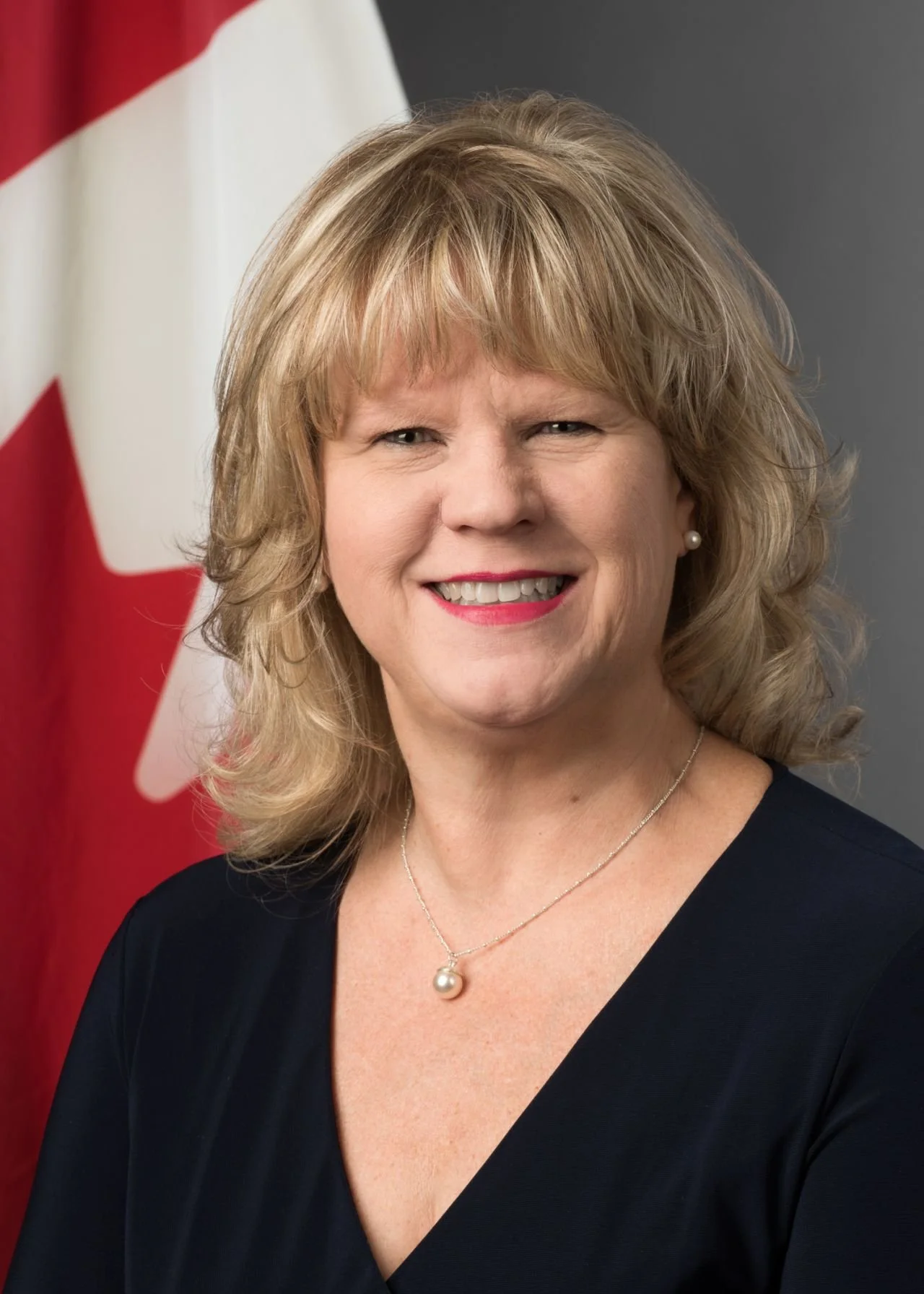
‘Kids’ content has been one of the number one exports from our country,’ says Agnes Augustin.
/ SUBMITTED PHOTO
Early research findings on the digital media landscape show that children believe they can tell the difference between AI-generated content and reality. Often, however, they cannot.
That gap between confidence and competence is at the centre of a growing policy concern for Rocket Fund President and CEO Agnes Augustin, a fierce advocate for the Canadian children's media sector who says government and industry are failing to move fast enough on artificial intelligence literacy and online safety for young Canadians.
“Kids are online, they're exposed to global content. How do we have our Canadian content rise above that and have it discoverable? The challenge is basically taking our funding models and our support from an outdated system, and being able to put it into a new system, which is currently lacking on all fronts,” Augustin told Means & Ways.
It’s what prompted the Rocket Fund to commission what it calls a “landmark” and “revolutionary” white paper “examining Canada's children's digital media landscape at a critical moment of transformation for the sector.”
The research takes a comprehensive “glocal” approach, examining regulatory frameworks, content economics, child development, and cultural representation as an integrated system through multi-stakeholder research across industry, government, families, educators, and cultural communities.
Beyond AI detection, she said the children’s media sector must also confront the broader spectrum of online harms. On that front, she calls for the government to prioritize two issues: broad AI literacy education spanning children, parents and educators, and the establishment of standards and practices for ethical AI specifically as it applies to children.
“It’s evolving by the minute,” she said. “So how do we keep up with that? Even though kids are tech-savvy and they are smart — they do need to have perspective.”
For eight years, the Rocket Fund operated the Rocket Online Safety Program, certifying nearly 50 Canadian companies and contributing to 160 kidSAFE Seal certifications to ensure children's digital content met strict privacy and security standards. Though the program concluded in 2025, it laid vital groundwork and demonstrated strong demand among Canadian creators for accessible safety certification, the Rocket Fund said in its pre-budget submission to the House of Commons Finance Committee.
Augustin has dedicated her career to what she calls one of the most influential and powerful industries in the world — children’s media. The Rocket Fund, Canada’s only dedicated children’s content fund, is unique because it’s run like a social enterprise model, she said. It has a dual mandate of cultural production and business sustainability.
“We believe that we need strong businesses across our country to be able to continue to support our children,” she explained. “So it’s a balance between making the great content, but also ensuring that we have that ability.”
She emphasized what the strategic investment in children’s content actually means for Canada. “When we invest strategically in children’s content, we’re not just supporting culture,” she says. “We’re supporting export growth, innovation capacity, trade diversification and the next generation of Canadian creators and entrepreneurs.”
“When we invest strategically in children’s content, we’re not just supporting culture. We’re supporting export growth, innovation capacity, trade diversification and the next generation of Canadian creators and entrepreneurs.”
In Canada, the children’s media sector was worth $658 million in 2013 but decreased by 41% to $387 million in 2024, according to a report by the Canadian Media Producers Association. The data showed a sharp drop in English-language children’s content production (47% in 2024) and the closure of more dedicated children’s television channels in 2025.
Augustin describes the core problem as “structural misalignment” — a mismatch between funding models built for a traditional broadcasting world and the digital reality children actually inhabit.
Canada has long been a world-renowned exporter of children’s content — and she argued that record represents not just cultural achievement, but meaningful economic contribution.
“Kids’ content has been one of the number one exports from our country. It’s not just about exceptional shows that we create, but it’s also Canada’s voice and our sensibility and our values — that differentiates us from other countries in the world,” she said.
That’s why children must be embedded in every policy and regulatory decision, not added as a footnote. “Our kids can’t be an afterthought,” she said. “They need to be part of all the decisions with the view that it’s not just about supporting our kids — which we should do — we should always be looking at where children fit into every policy.”
The stakes go beyond the media sector, she said. Identity, diversity and national cohesion are all bound up in whether Canada chooses to invest in content that speaks to its youngest citizens.
“If we don’t take care of our kids today and celebrate who we are as Canadians — our diversity, our differences, but also our global unity — we can lose our kids,” she warned.
At the end of the day, she said she’s hopeful — pointing to a generation that is anything but passive. “Kids today are not passive, they are active — they have a much bigger voice than they ever had,” she said.
“There's an opportunity there. I am hopeful that they'll still find their way. But gosh, wouldn't it be great if they had the support to make it happen?”