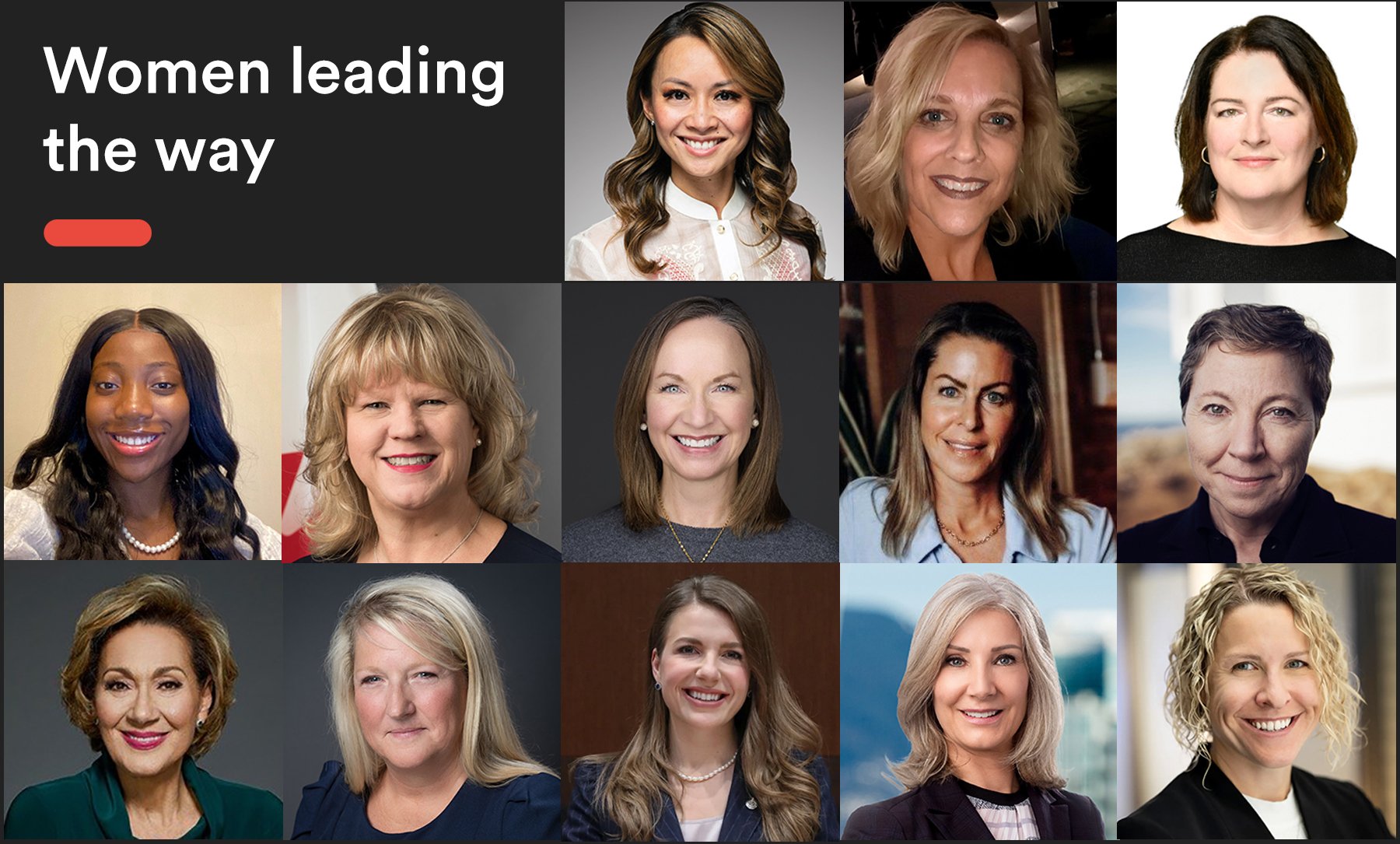
Niki Harris: Why youth must be at the centre of tech policy decisions
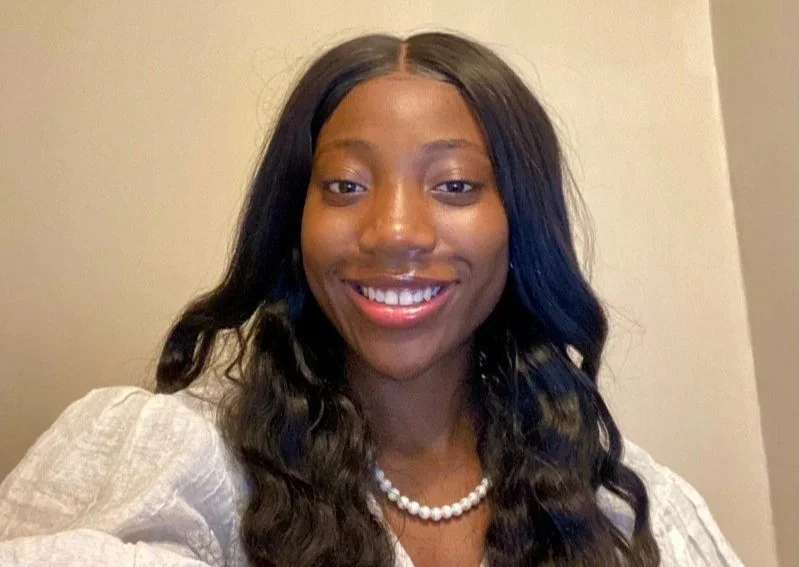
‘Being a responsible futurist means I’m optimistic about the future and believe that humans are going to keep doing better and pushing for innovation, which can be a good thing. But it’s also about keeping things human-centered and responsible, even as we pursue more innovation,’ says Niki Harris. / TWITTER PHOTO
Niki Harris’s journey into technology policy began at the Department of National Defence, where she worked as an AI policy analyst. She was often the youngest person in meetings, and one of the few representing the generation that will be most affected by today’s technology decisions.
“I realized I was in rooms with people deciding the future, and oftentimes, there were no young people. This is a future that we’re meant to inherit, so it’s not very sustainable if we’re not involved in that decision-making process at all,” Harris told Means & Ways.
Harris, a researcher, program coordinator, and policy analyst whose work sits at the intersection of technology, human rights, and international affairs, founded The Future Brief, a platform dedicated to empowering young people to shape the future of deep tech by fostering dialogue, community, and actionable solutions around fields like artificial intelligence, quantum computing, and neurotechnology.
In 2025, Harris graduated with a degree in Public Affairs and Policy Management from Carleton University, with a focus on International Relations and Conflict. She was drawn to policy by her early interest in science and innovation, as well as her commitment to human rights and public debate. For her, deep tech policy connects how technologies are developed with their impact on society.
Making youth central to policy decisions
The Future Brief brings together young people from different backgrounds to help shape the future of technology and innovation. Her goal is to make sure youth are central to policy decisions in areas like AI, quantum, space, blockchain, and neurotechnology.
This comes at a time where Canada is positioning itself as a global leader in AI. Budget 2024 allocated $2.4 billion over seven years for AI infrastructure, including a $2 billion Sovereign AI Compute Strategy to support research and commercialization, aimed at reducing reliance on foreign tech giants.
With The Future Brief, Harris organizes in-person events to build real community and address the digital fatigue many young people feel. “We bring together engineers, policymakers, philosophers, and founders to have tough conversations face-to-face. Breaking bread together helps us build trust and common ground,” she explained.
Those gatherings have led to new insights. At an early event, Harris observed that mistrust around AI wasn’t just about the technology. “We found that people didn't have a mistrust of the technology itself. It was deeper than that: we don’t trust each other.”
Harris is determined that young people be active participants in the tech sector’s evolution, not passive recipients. “It’s not sustainable for decisions about the future to be made without us,” she said. “We need to be part of the process from the start.”
“The Future Brief brings together young people from different backgrounds to help shape the future of technology and innovation. Her goal is to make sure youth are central to policy decisions in areas like AI, quantum, space, blockchain, and neurotechnology.”
People don’t mistrust AI, they mistrust each other
The Future Brief isn’t content with talk alone. “We don’t want to just be lamenting technology or saying society’s doomed. We work on solutions, like mini manifestos, policy recommendations, and soon, technical projects,” Harris said.
Looking ahead, Harris envisions The Future Brief expanding across Canada and, eventually, globally, while maintaining its community-driven roots.
“I’d love to see us launch an accelerator or fellowship and host conferences that bring together youth from across the country. Consulting is another area. Organizations can come to us to access youth networks and insight they can’t find elsewhere.”
The Future Brief currently has bases in Ottawa and Toronto.
In addition to these ventures, she is a Cansbridge fellow, a highly prestigious program whose goal is to promote understanding amongst Canadian students' of the rapidly changing economic and geopolitical context in Asia. She also currently serves as a Policy & North American Engagement Director at Quantum Security defense, and is a former member on the Board of Directors for All Tech is Human – a public‑interest tech organization. She is also an alumni of both the 1834 Fellowship and the Cansbridge Fellowship.
Harris describes herself as a “responsible futurist.” For her, “being a responsible futurist means I’m optimistic about the future and believe that humans are going to keep doing better and pushing for innovation, which can be a good thing. But it’s also about keeping things human-centered and responsible, even as we pursue more innovation,” she said.
For Harris, building the future is about making sure young people have a real say in shaping it, not just adapting to new technology but leading its development.
Correction: This story was updated on March 9 to correct that The Future Brief has bases in Ottawa and Toronto, not Vancouver. Additionally, Niki Harris completed her term on the Board of Directors for All Tech is Human in 2025.