‘The goal is not reckless spending; it is to make failure cheap, learning fast and success scalable’: Holmqvist
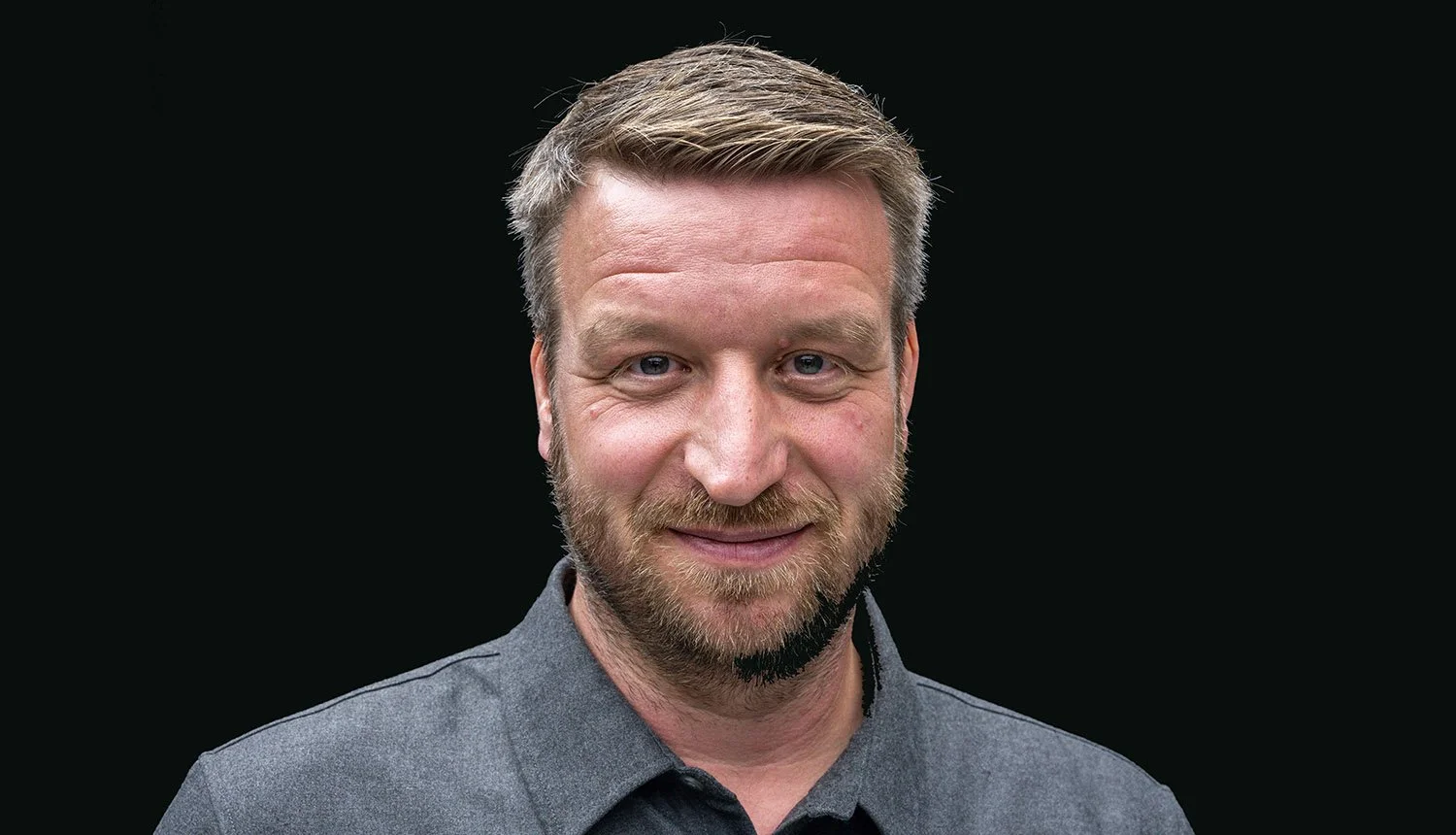
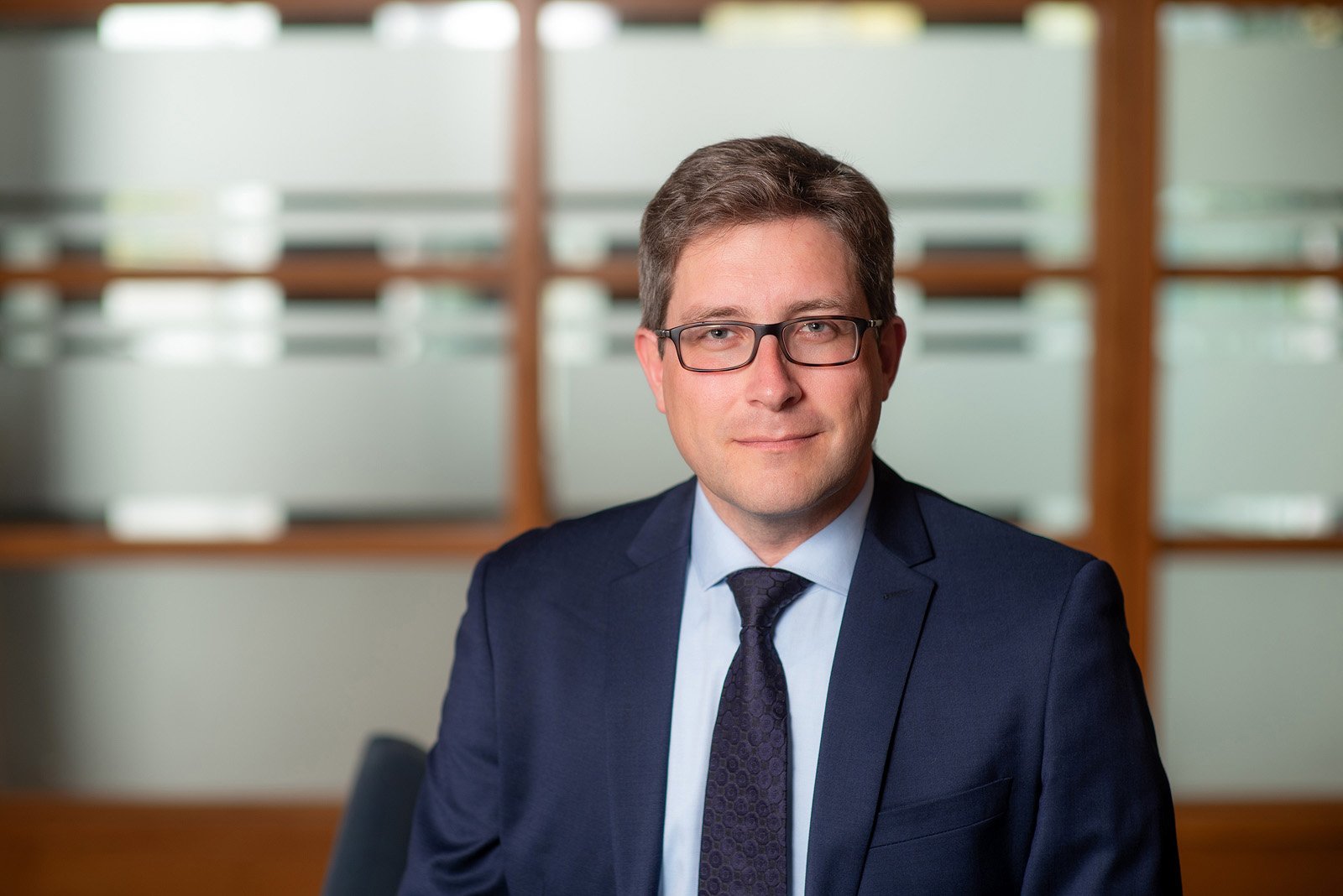
‘Defence innovation is becoming much more connected to the technologies that will shape the broader economy: AI, cyber, space, autonomy, quantum, robotics, sensing and secure communications,’ says Karl Holmqvist, founder and CEO of Lastwall. / FIST BUMP FILMWORKS PHOTO
Canada needs to foster a culture of risk-taking if it is to capitalize on the economic and security benefits of new technology, says Karl Holmqvist, founder and CEO of Lastwall.
“Canada already has useful innovation programs. The bigger challenge is the valley of death between experimentation and procurement: technologies get piloted, demonstrated, and validated, but too often there is no funded mechanism to adopt them. We need a policy bridge from successful trials to operational use, supported by a culture that rewards disciplined risk-taking,” Holmqvist told Means & Ways.
New Brunswick-based Lastwall, a cybersecurity company that focuses on quantum-resilient protection, recently raised $16 million in an investment round led by the Business Development Bank of Canada’s Capital’s StrongNorth Fund. The investment aims to help “strengthen sovereign cyber defence capabilities amid escalating threats targeting critical infrastructure, defence systems and government networks,” a company press release says.
“We proved our model in the world’s most demanding federal market,” Holmqvist said. “We earned FedRAMP Moderate Authorization, secured U.S. government systems, and built a platform for the realities of modern cyber warfare. Now, we’re bringing those trusted capabilities home to help strengthen Canada’s cyber resilience at a defining moment for national security.”
Holmqvist spoke to Means & Ways about the federal government’s Defence Industrial Strategy, the new defence landscape and what’s keeping him at night.
M&W: The government’s Defence Industrial Strategy notes that “conflict now extends beyond traditional battlefields into cyberspace, space and the digital domain, driven by technologies such as AI, quantum, autonomous systems, robotics and advanced cyber and space capabilities. Countries are racing to harness commercial innovations not only to safeguard sovereignty, but also to capture the economic advantages they bring.” What are you most excited about when it comes to defence innovation?
KH: What excites me is that defence innovation is becoming much more connected to the technologies that will shape the broader economy: AI, cyber, space, autonomy, quantum, robotics, sensing and secure communications. These are not narrow defence categories anymore; they are the foundations of national resilience and future productivity. Canada has real technical strengths, and we also have the advantage of being closely integrated with the United States, the most capable defence and technology partner in the world. The opportunity is for Canada to bring more to that partnership: to build practical capability faster, strengthen our own sovereignty, help defend the continent and create companies that can compete globally.
M&W: What is keeping you up at night in the context of this new defence landscape?
KH: What keeps me up at night is that our adversaries are moving faster than our procurement and security models. The battlefield now includes power grids, telecom networks, water systems, ports, identity systems and software supply chains. If we do not modernize quickly, the weakest points will not be tanks or ships; they will be credentials, dependencies and critical systems that were never designed for this threat environment.
M&W: There has been a lot of emphasis and prioritization around AI, adoption and its impacts on economic growth and productivity. How do you think AI and new technologies like quantum can address some of Canada’s economic, defence and cybersecurity challenges?
KH: AI and quantum are not just technology categories; they are force multipliers. AI can help Canada improve productivity, automate analysis, defend networks and make better operational decisions. Quantum will force a major upgrade of our cryptographic and security assumptions, but it also creates an opportunity to build next-generation secure infrastructure. The countries that understand this early will not just be more secure; they will capture economic advantage from building the tools others need.
M&W: In this uncertain global geopolitical landscape, how do we ensure digital sovereignty and security around critical infrastructure?
KH: We need to be very clear about what must be sovereign, what can be allied and what can be commercial. Critical infrastructure depends on identity, communications, cloud, software, cryptography and operational technology. If we do not understand who controls those layers, we do not really control the infrastructure. Digital sovereignty means having trusted domestic and allied options for the systems that matter most, and making sure they can operate securely under stress, disruption and attack.
M&W: What’s one public policy solution that could unlock Canada’s defence, security and technology potential?
KH: Canada already has useful innovation programs. The bigger challenge is the valley of death between experimentation and procurement: technologies get piloted, demonstrated, and validated, but too often there is no funded mechanism to adopt them. We need a policy bridge from successful trials to operational use, supported by a culture that rewards disciplined risk-taking. That means giving middle layers of government clear authority, incentives and protection to run small, fast experiments, make evidence-based decisions and stop weak ideas early without being punished for trying. The goal is not reckless spending; it is to make failure cheap, learning fast and success scalable. If we can do that, Canada will build stronger sovereign capabilities and become a more capable, interoperable ally.