Walking the ‘tightrope’ of trade diversification

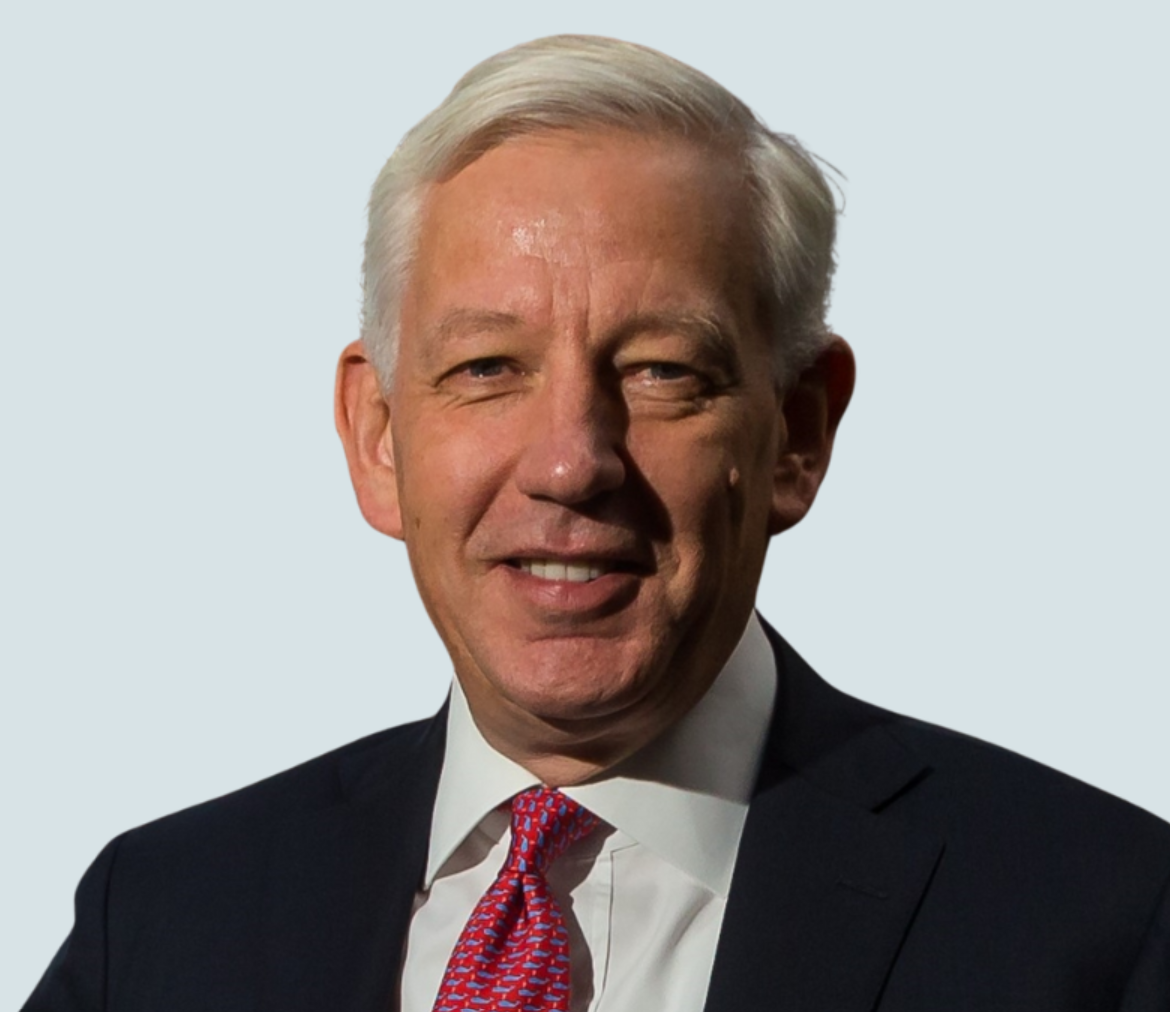
Jay Zhao-Murray founded Sibley Creek earlier this year as an independent Canadian macroeconomic research and advisory firm that bills itself as ‘economic analysis meets investigative journalism.’ / LINKEDIN PHOTO
Canada's most overlooked economic vulnerability is its structural dependence on the U.S., leaving it unable to wield its leverage effectively in the ongoing trade war, says Jay Zhao-Murray, chief economist and founder of Sibley Creek.
“We have so many levers of pressure we could apply to the United States that we simply cannot use,” he told Means & Ways, pointing to Canadian control over a large share of the northern power grid, crude oil supply and the potash used in American agriculture. Doing so would mean "cutting off our noses" economically. He doesn’t expect Canada to use its economic leverage against the U.S. because doing so would severely damage the relationship, and Canada would "experience a recession much worse" than current conditions if it lost access to the U.S. market, he said.
Citing a Reuters report in which foreign trade officials said Canada's appeal as a trading partner depends heavily on its access to the U.S. market, Zhao-Murray said this leaves Canada in a "tightrope sort of situation," balancing a stated goal of diversifying trade with the risk that reducing ties to the U.S. could also make Canada less attractive to other potential partners.
Since Canada "can't control America's policy decisions," Zhao-Murray said, the risk worth watching is whether the country is doing enough domestically. "I just don't know if ... what we've done so far has gone far enough to really apply all the domestic levers we can," he said.
Zhao-Murray criticized the federal government's regulatory approach, including the Major Projects Office created to fast-track select "nation-building" projects. He said there needs to be a systematic regulatory review so that change can happen across the board.
Carney’s industrial policy so far amounts to creating carve-outs to fast-track selected projects through a cumbersome regulatory process, he said. “Why not do a systematic review of whichever regulations or approval processes are the longest right now, and that should be streamlined for everybody."
Bulk of interprovincial trade barriers remain in place
There has also been “little follow through” at the provincial level on reducing interprovincial trade barriers, the “bulk” of which remain in place, despite premiers signaling openness to reducing them during peak tariff anxiety, Zhao-Murray said.
Zhao-Murray founded Sibley Creek earlier this year as an independent Canadian macroeconomic research and advisory firm that bills itself as "economic analysis meets investigative journalism," which makes it unique, Zhao-Murray said. "The point is to do macroeconomic analysis and to decipher what is going on in the Canadian economy," he said. "By trying to figure out what's happening in stories a level deeper than what the data is saying, this will allow us to see the picture more clearly."
Prior to founding Sibley Creek, Zhao-Murray was the Canada economics data editor at Bloomberg in Ottawa and, before that, a foreign exchange analyst at Monex Canada. He started his career at the Bank of Canada and studied economics at Western University.
Zhao-Murray spoke to Means & Ways on July 2, just after Statistics Canada released April GDP figures. The data showed the economy "still has a heartbeat," according to a Sibley Creek research note, while Zhao-Murray said growth was "temporarily strong," driven largely by oil sands output amid high oil prices, with an additional seasonal boost expected this summer from World Cup-related tourism and spending. However the underlying trend remains one of "stagnation" and "mediocre to weak growth."
On the economic data front, he said he is monitoring two developments in particular: whether tensions tied to the war in Iran continue to ease, including a return to normal tanker traffic, and the slower-moving effects of the CUSMA impasse, which he said will not be immediate but could eventually affect Canada's access to preferred tariff rates.
On monetary policy, Zhao-Murray said the easing inflation pressure from oil and gasoline prices has shifted the balance of risks the Bank of Canada has been weighing. "I'm not saying that necessarily there's going to be a move anytime soon, but I think the global backdrop is changing, and so policymakers are going to go on a wait and see a little bit. But, definitely with lower inflation risk, directionally, that moves you closer to cuts," he said.