Premiers Smith and Moe oppose use of energy, potash in future retaliatory measures
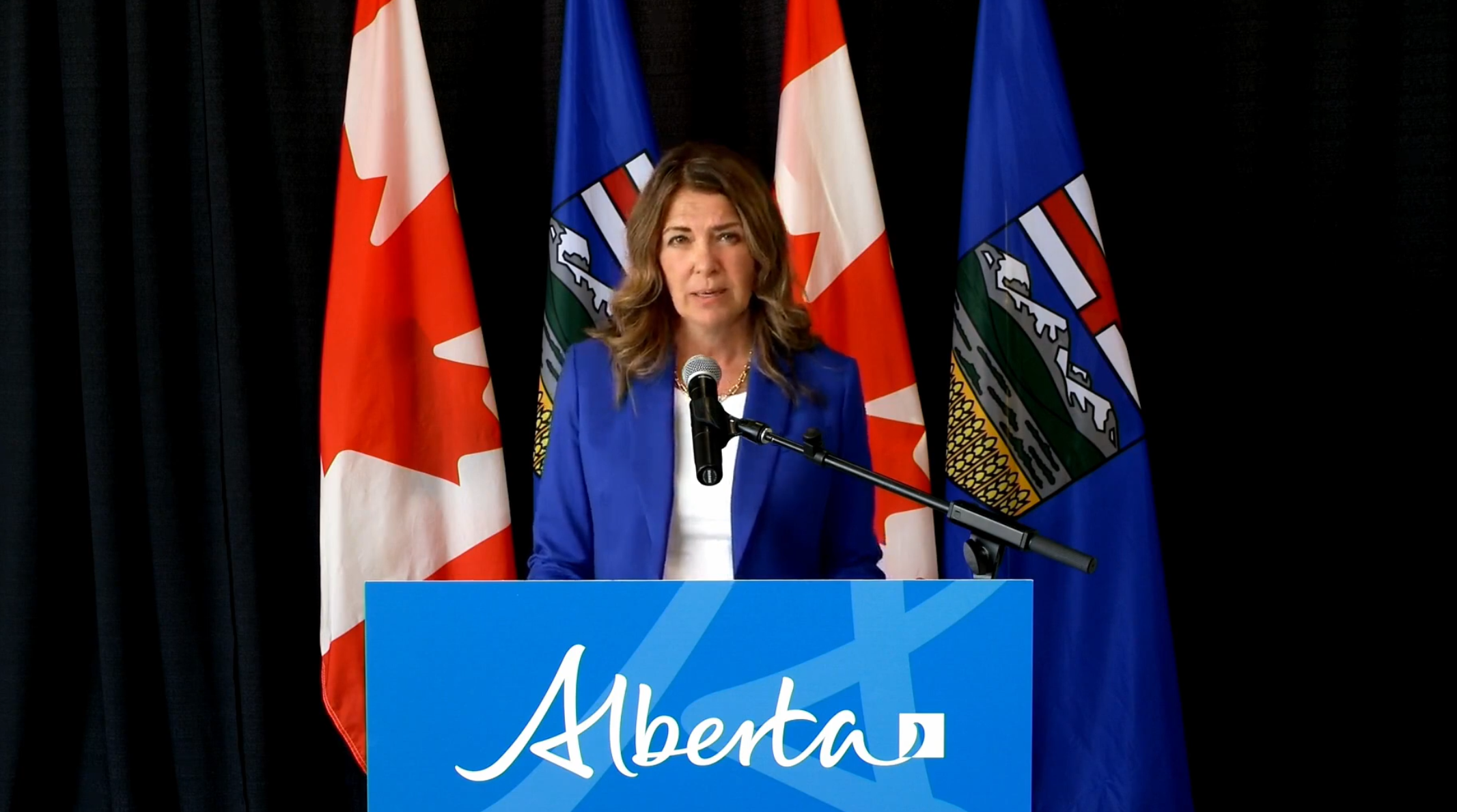
‘I cannot think of a more disastrous policy decision than cutting off or taxing Alberta's oil to the United States,’ Alberta Premier Danielle Smith says. / SCREENSHOT
Alberta Premier Danielle Smith and Saskatchewan Premier Scott Moe on Wednesday spoke against potentially using energy or potash in any future retaliatory measures against the U.S. if the trade war continues to escalate.
“I cannot think of a more disastrous policy decision than cutting off or taxing Alberta's oil to the United States,” said Smith during a press conference in Grand Prairie, Alta.
“Doing so would absolutely devastate the Canadian economy. It would not only extinguish the livelihoods of hundreds of thousands of Albertans, it would economically hobble our friends and neighbours in other provinces to the east.”
Smith warned that imposing an export tariff on Canadian oil would prompt the U.S. to retaliate against energy and fuel exports to Ontario and Quebec, while encouraging American refineries to replace Alberta heavy crude with supplies from countries such as Venezuela. She said cutting off oil exports entirely would be even more damaging, particularly because Canada lacks the strategic oil reserves available to the U.S.
Rather than escalating the dispute, Smith said Canada should focus on supporting workers and businesses affected by U.S. tariffs and pursuing diplomacy with American lawmakers and governors. She welcomed federal relief measures announced Tuesday and said Canada should give U.S. political leaders time to reverse the tariffs following the November midterm elections.
“Rather than making threats and promises we know we cannot keep, Canada should focus on what we can control and do,” she said.
Speaking in St. Albert, Sask., Moe said an export tax on potash would represent a “tremendous economic hit to our province and to our nation.”
“First, Canadians would lose jobs,” he said. “Second, farmers on both sides of the borders would pay more for that crucial fertilizer. Third, the United States of America most assuredly would switch to buying potash from other nations around the world; nations like Belarus, for example.”
Moe added that Saskatchewan could not support export tariffs on oil for the same reasons, while voicing support for the latest tariff response measures announced by the federal government on Tuesday.
Ontario Premier Doug Ford sharply criticized Donald Trump’s latest threats, calling Trump a “dictator” and “bully” and said that Canada should be prepared to “throw everything in the kitchen sink at him,” including potential levies on oil, potash, and other resource exports.
Ford, who said Trump “has a lot of room to kiss my ass” said Canada should consider charging “triple on the oil, triple on the potash, on the uranium, on our metals and our rare earth metals.”
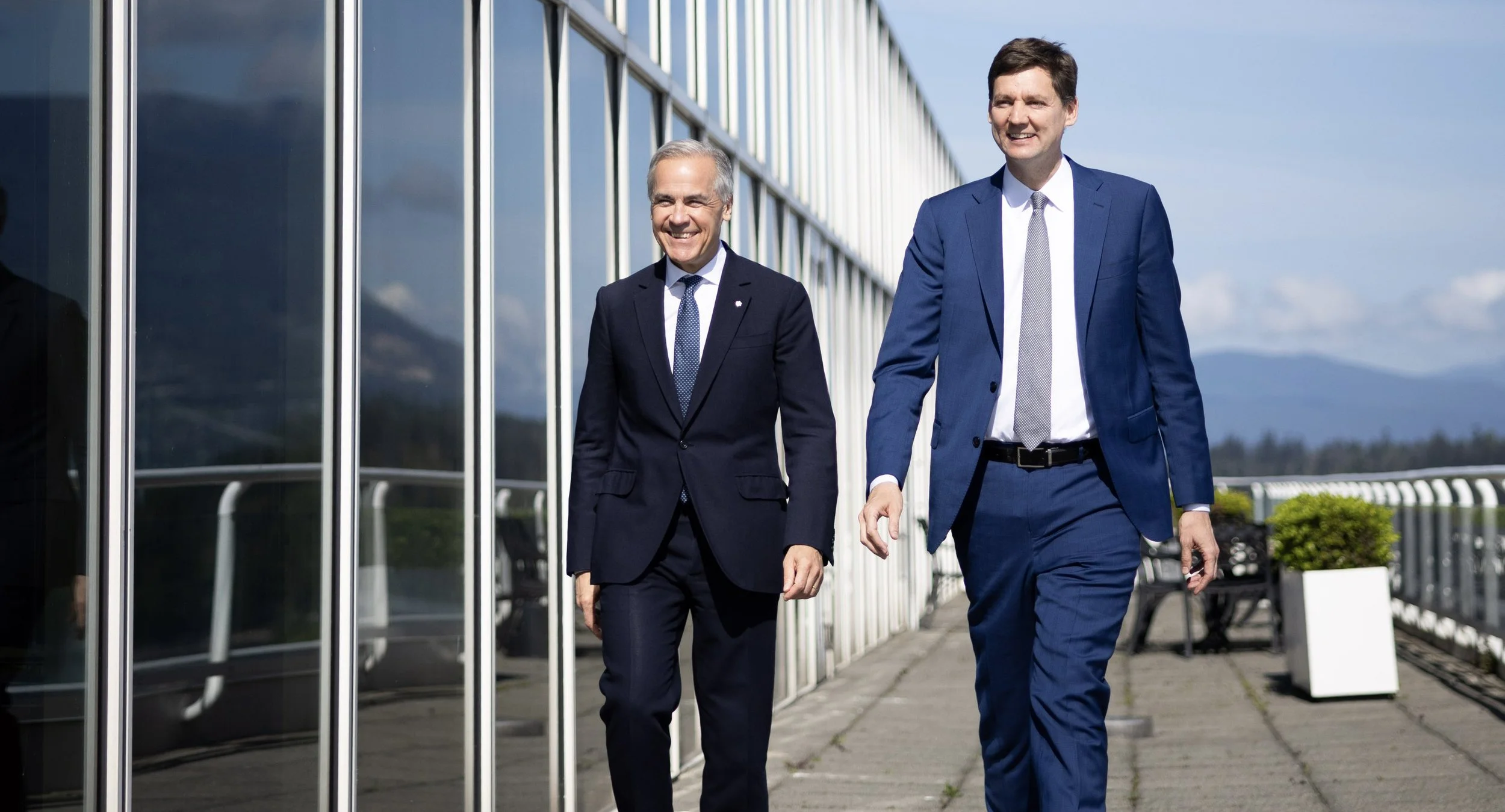
B.C. Premier David Eby urged British Columbians to avoid travel to the United States and choose Canadian goods as the trade dispute intensifies. He commended Ottawa’s counter‑tariffs and said he wants the federal government to consider non‑tariff measures, noting that U.S. thermal coal relies on B.C. ports for export, also suggesting the federal government should reconsider the purchase of F-35 fighter jets from the U.S..
“When your friend kicks you in the back, one of the first rules is you don’t then go and buy $12 billion of fighter jets from that person,” he said.
Manitoba Premier Wab Kinew said that if Trump "continues on the path that he's on now, there's definitely going to be some change in American politics" after the country's upcoming midterm elections. Kinew said the economic impact of the Trump administration's tariffs is expected to be "very jagged" in Manitoba and across Canada, but he's been encouraged by the measures the federal government has announced so far in response.
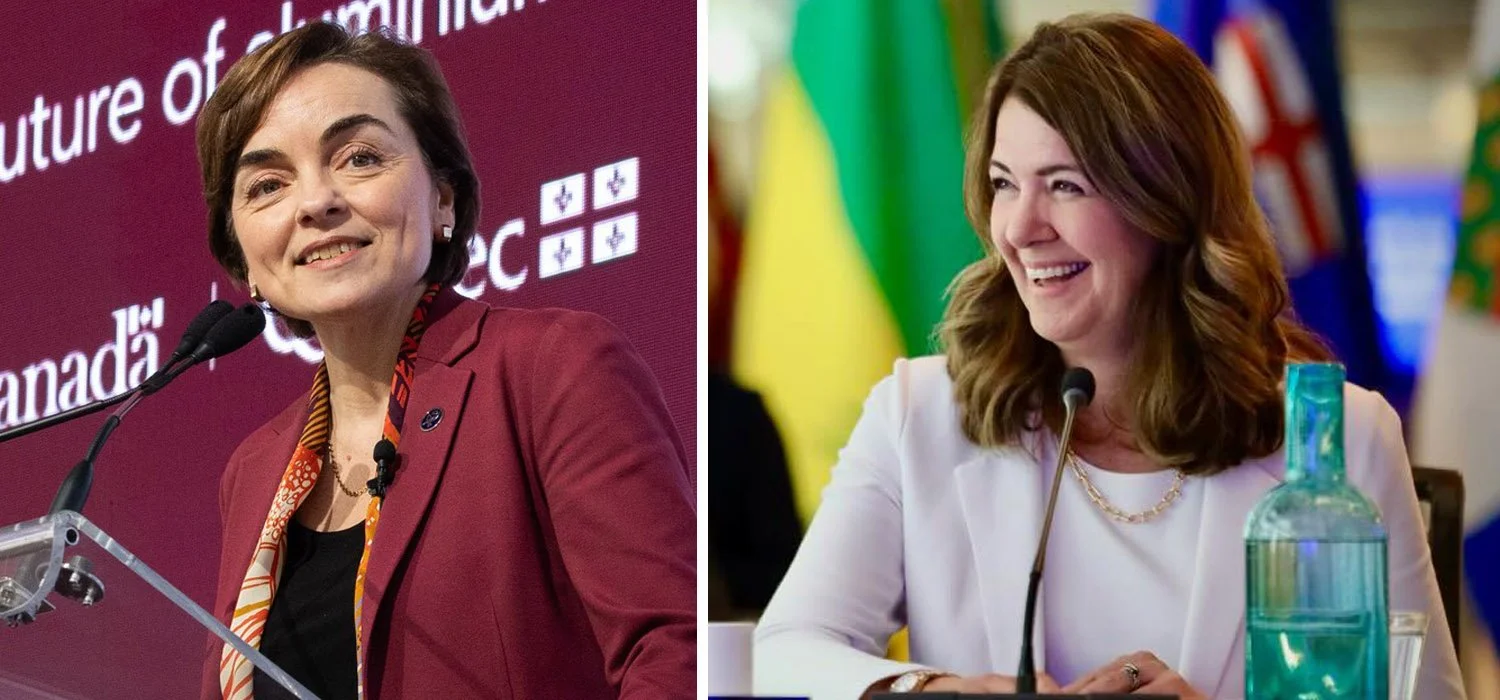
Speaking on Wednesday, Minister of Industry Mélanie Joly said the federal government will act on potential U.S. actions only when formal executive orders are issued . When pressed on oil‑export tariffs, Joly said she could not provide details. “We don’t negotiate in public,” she said, while urging Canadians to “buy Canadian.”
On Tuesday, Joly said that “everything was on the table” when it came to options for Canada to respond to escalating U.S. measures.