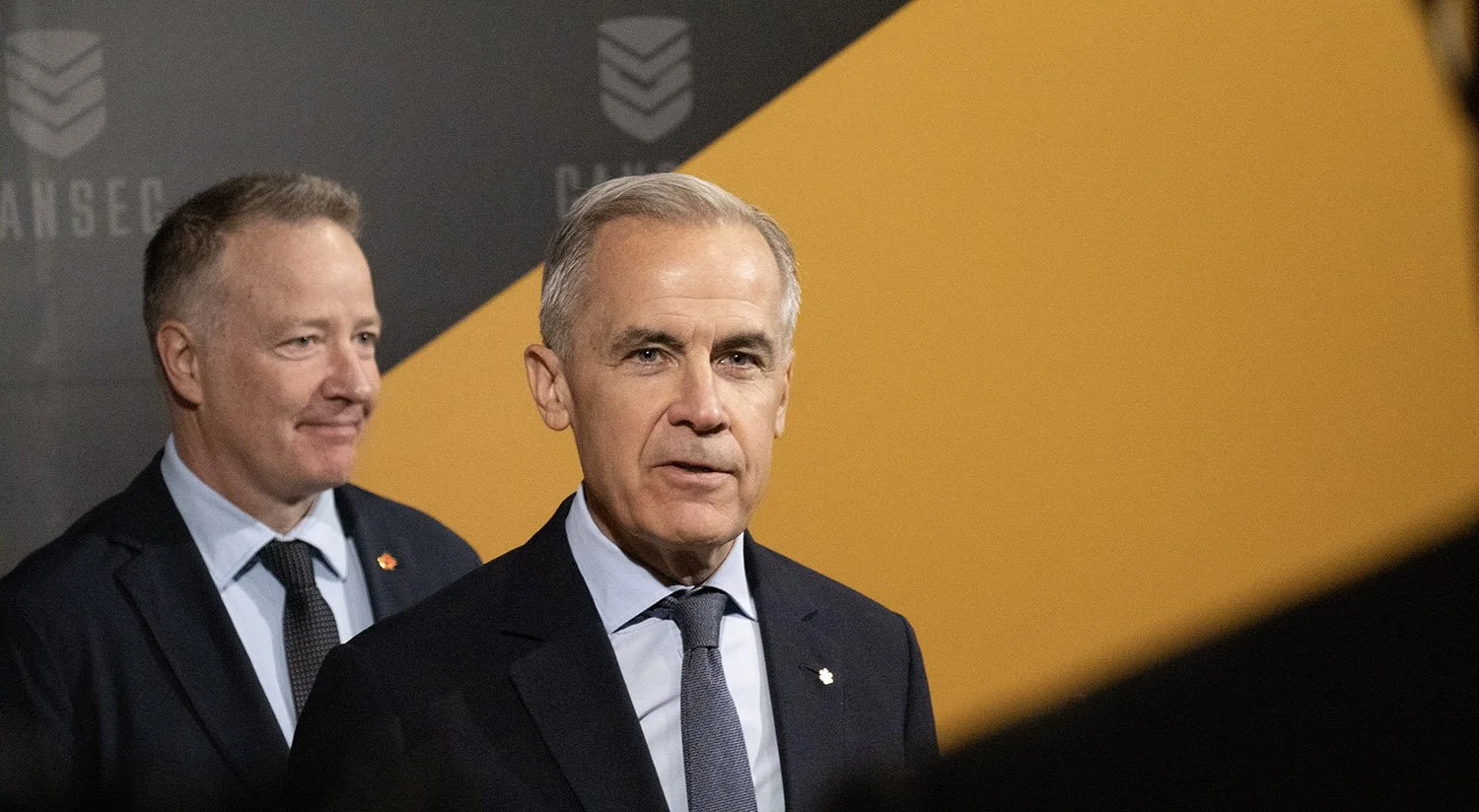
Canada’s pivot to Europe gathers momentum with sub deal
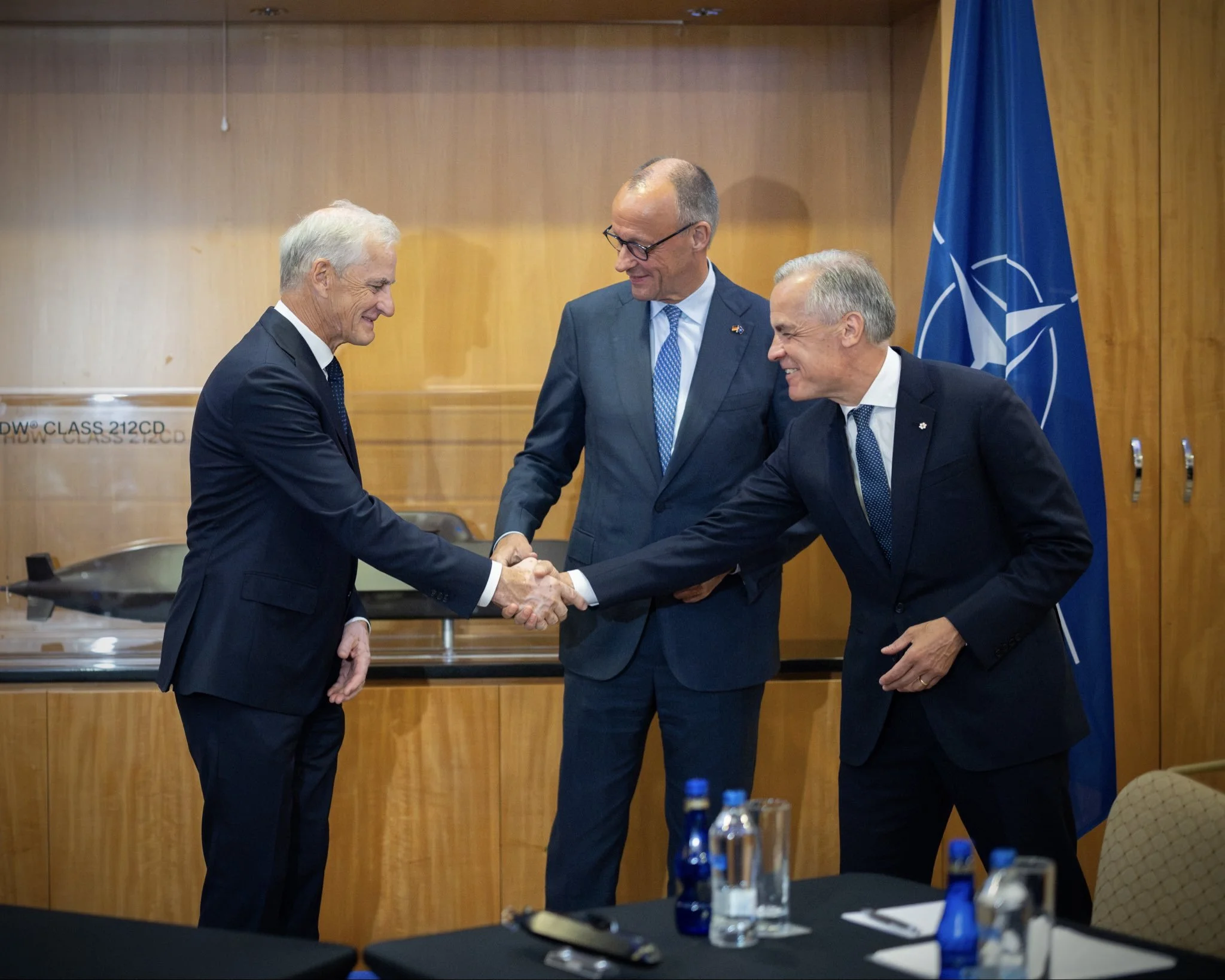
‘Canada’s decision to procure up to 12 new submarines from our German and Norwegian Allies reflects the strong and growing partnership between our nations. Together, Chancellor Merz, Prime Minister Støre and I are focused on bringing our nations ever closer to create greater security and prosperity on both sides of the Atlantic,’ Prime Minister Mark Carney wrote on social media. / TWITTER PHOTO
The Carney government moved to further deepen Canada’s economic and security ties with Europe after announcing Ottawa had decided to spend $100 billion on 12 German-made submarines.
Part of the federal government’s effort to reduce trade reliance on the U.S., the submarine contract with Germany, Europe’s economic powerhouse, is expected to bring extensive investment, jobs and business opportunities here.
The bidding war for the contract, which in the end went to Germany’s ThyssenKrupp Marine Systems (TKMS) over a South Korean manufacturer, set off a round of business deals with Canadian firms that could supply millions of dollars worth of software, components and other material to the project. The winning bid is a joint partnership with Norway.
Carney noted that the deal stipulates that TKMS has to match Ottawa’s expenditure dollar-for-dollar in economic benefits for Canada.
Canada will benefit to the tune of “tens of billions of dollars in investment” from TKMS “across key defence and industrial domains, including space, munitions, autonomous technology, critical minerals and R&D,” the prime minister said. He also said the TKMS contract will “directly create and sustain an ecosystem of well over 100,000 well-paying jobs” across Canada.
Also, in another decision linking this country more closely with Europe, Carney marked his attendance at a NATO meeting in Turkey by announcing Canada has entered into an $800 million contract with Norwegian company Kongsberg to buy missiles for eventual use in Royal Canadian Air Force fighter aircraft.
These announcements come as Canada and other NATO countries are engaged in a rapid push to increase their defence spending, largely in response to U.S. President Donald Trump’s complaints that Washington had been left to foot too much of the bill for transatlantic security.
“I think the president … is looking for a shift of the burden within NATO. That's appropriate. That is happening. That's gaining momentum,” Carney said in Turkey.
At the NATO summit, Canada joined other member countries in re-committing to NATO’s decision last year to allocate five per cent of GDP on defence by 2035.