For food growers, life at the end of the supply chain is no bowl of cherries

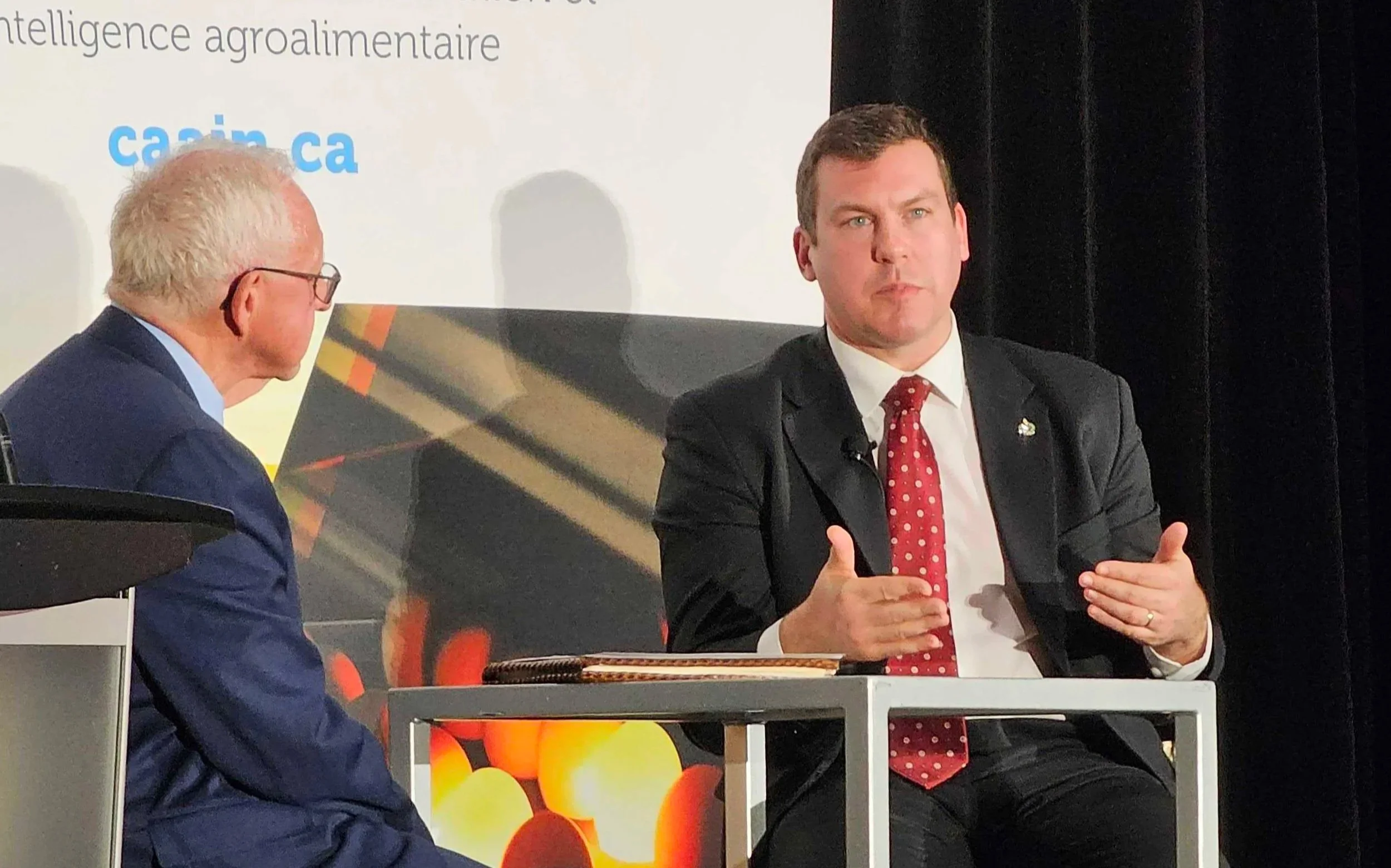
Benjamin Feagin Jr., Chief Executive Officer of AgriTech North. / AGRITECH NORTH PHOTO
Agrifood operations in remote, northern, and Indigenous communities are facing systemic challenges when it comes to creating sustainable food systems, says Benjamin Feagin Jr., Chief Executive Officer of AgriTech North.
“[Remote communities] are at the end of the distribution chain. We have always had food that spoils at the end of the day or has unreliable quality characteristics. Even if we expand infrastructure for distribution and supply, we are still at the end of the supply chain,” he told the Senate Agriculture and Forestry committee. “We have to be more than just a grower in a remote community like Dryden. There is no distributor we can use or hire to be able to distribute food; we have to do that; that means more capital costs.”
As extreme weather events become more frequent in Canada, remote communities that do not produce their own food are vulnerable to food insecurity and shortages. “Local food production in the North is not simply about economics or tonnage,” said Janet Dean, Executive Director of the Territorial Agrifood Association and Chair of Food Secure Canada, who also appeared at the committee. “It is about reducing dependency on food from Southern Canada. It is about strengthening Indigenous and community food sovereignty. It is about community well-being, climate adaptation, economic diversification and national resilience.”
The term food sovereignty was coined in 1996 by La Via Campesina. It describes a community’s right to dictate how the food they consume is grown and distributed, prioritizing culturally appropriate crops and sustainable production methods. “Food sovereignty is the ability to have access to foods that are culturally important to you. It includes wild-harvested products or products from the land,” said Dean.
The concept is distinct from food security since it places individual and community needs at the centre of agrifood policies and systems rather than market pressures. Because of Canada’s geographic and population diversity, food sovereignty can look extremely different across regions.
Technological innovations, such as AgriTech North’s multi-layer greenhouse envelope, have made year-round growing more achievable and sustainable. However, northern and remote communities still face issues staffing these operations. “There is nowhere in Canada that trains people on year-round agriculture on an operational basis,” said Feagin.
We need more people to be excited about food production
Dean agreed that labour shortages and education infrastructure remain a challenge for northern food sovereignty. “We don’t have an agricultural history here in the North,” she told the committee. “We don’t have people who are sending their kids to school to get excited about food production … we need more participants in agriculture.”
In addition to supply chain and labour challenges, Feagin emphasized specific issues with Canadian accounting standards that make it hard to get loans as a small business after receiving grants from other organizations.
The Accounting Standards for Private Enterprises have two main methods to account for grants, the offset or deferral methods. However, Feagin found that they did not accurately reflect an organization’s financial situation and made them unappealing to investors. “Any organization that accepts grants against assets will inevitably fall into the Valley of Death and become unbankable,” he told the committee. “It looks like I’m overleveraged because I have a $2 million loan against $2 million of assets.”
Feagin said that moving to International Financial Reporting Standards would fix the issue, but would cost over $150,000. “That is not a reasonable expectation for small businesses,” he said.