The next five years won't be any calmer, warns Bank of Canada’s Rogers
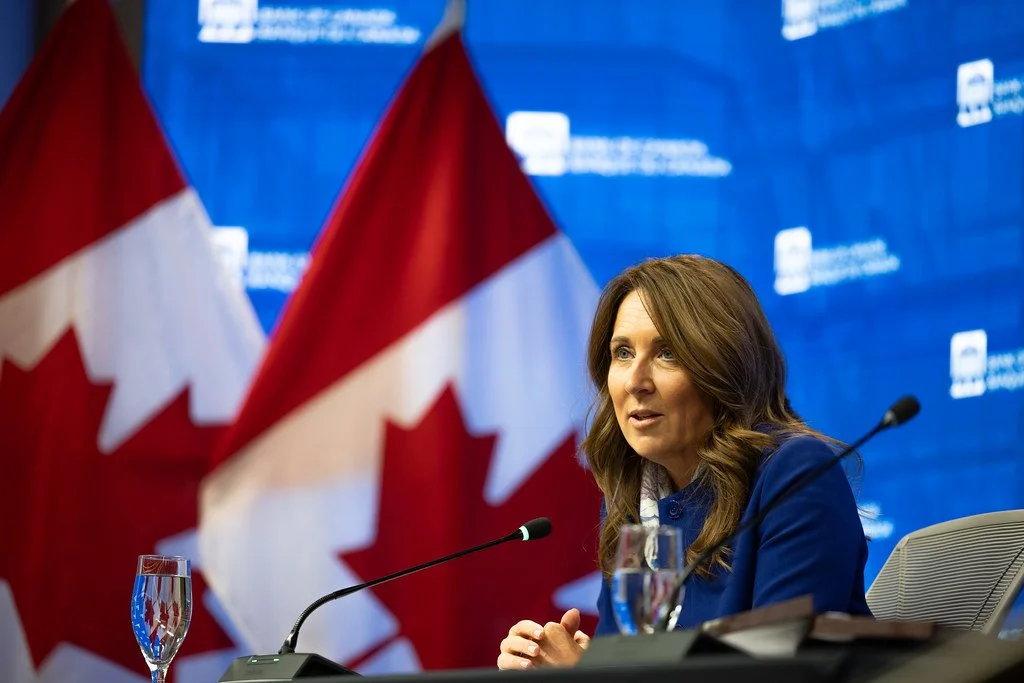
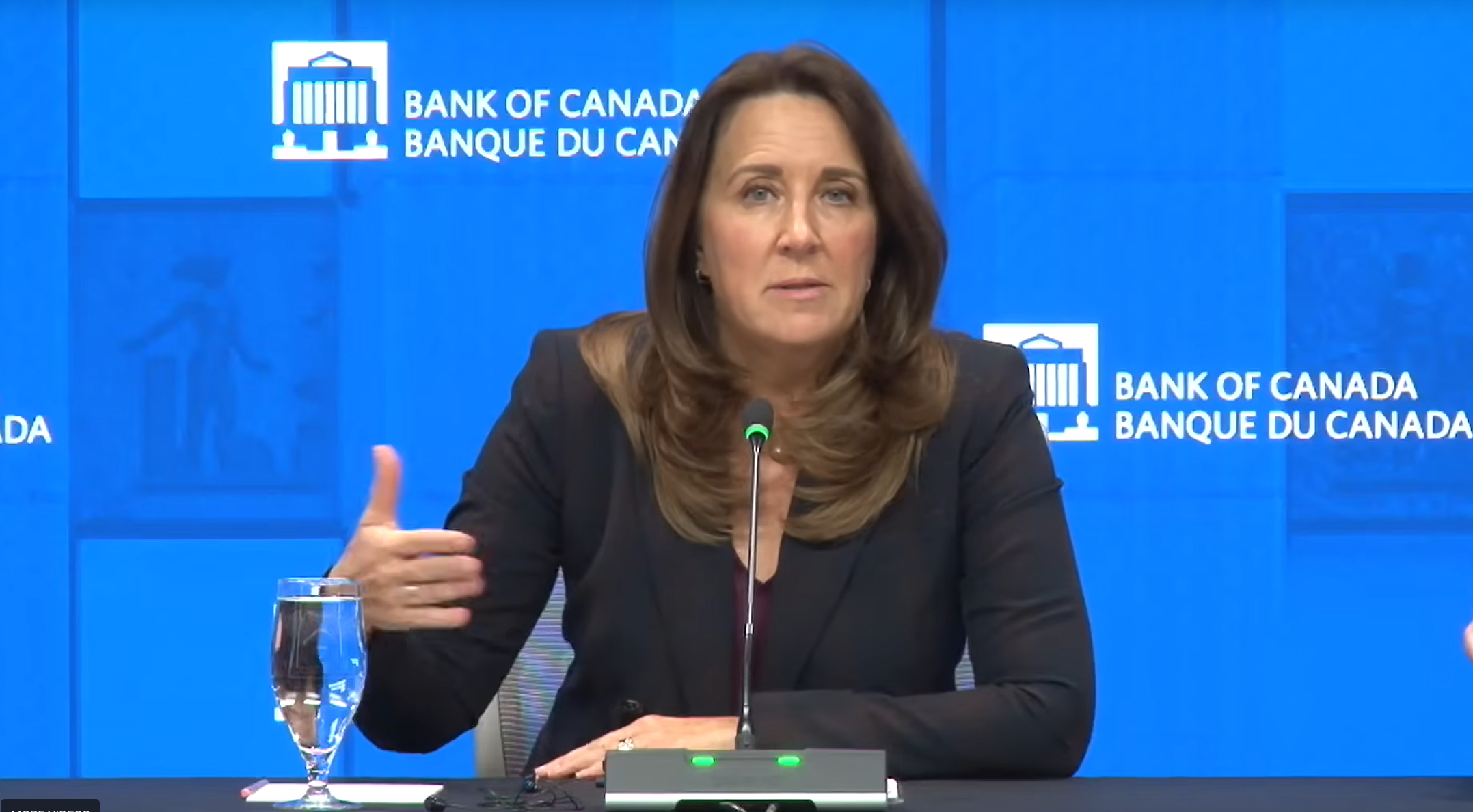
Bank of Canada Deputy Governor Carolyn Rogers says AI will ‘permanently alter Canada’s economic landscape.’ / BANK OF CANADA PHOTO
The benefits and potential risks of artificial intelligence means a structural change for the country’s economy and individuals and businesses will have to adapt, says Bank of Canada Deputy Governor Carolyn Rogers.
"What’s important to know about these big forces is that we don’t see their impacts as temporary. We expect they will permanently alter Canada’s economic landscape, affecting what and how much our economy produces," she said in a keynote speech to the Brandon Chamber of Commerce on Thursday.
"My colleagues and I at the Bank are steeling ourselves for a tough job ahead. We will be assessing the economy carefully, trying to separate cyclical from structural impacts. We can’t undo the damage caused by U.S. tariffs or offset changing demographics or potential disruptions from AI. What we can — and must — do is ensure that Canadians continue to have confidence in low and stable inflation through a period of change."
Rogers said artificial intelligence is one of three major forces — alongside trade tensions and demographic change — that are reshaping Canada’s economic future in ways that will not be temporary.
Rogers said AI is already showing promise, particularly in agriculture, but also carries risks that could reshape labour markets and inequality.
“AI has the potential to unleash tremendous productivity gains and lower costs for many services,” she said. In farming, she pointed to emerging technologies that combine data from multiple sources to improve decision-making.
“There’s a lot to be optimistic about,” Rogers added.
There are numerous concerns about AI
At the same time, she warned of uncertainty about how quickly AI will be adopted and how disruptive it may become. “People worry that AI could displace workers, drive up the cost of energy, concentrate power into the hands of a few big technology firms and widen inequality.”
Rogers emphasized that Canada is facing simultaneous adjustments in trade and population dynamics that will affect long-term growth.
“It’s not all bad news, though,” she said, explaining that trade tensions are pushing businesses to diversify supply chains and markets, including in Manitoba’s agricultural and manufacturing sectors. "Trade tensions are spurring us to get our own house in order."
Rogers said trade tensions are encouraging Canadian firms to strengthen domestic resilience and reduce dependence on any single market. Businesses are expanding into new international markets and provinces are increasingly working to remove internal trade barriers that act like “tariffs and penalties” between regions. She argued that improving interprovincial trade efficiency is a practical way to boost growth.
Canada’s demographic outlook is also shifting in ways that will constrain growth, she said.
“Our forecasts suggest the Canadian labour force will see almost no growth at all over the next few years,” she said, noting that while immigration helped offset an aging population and low birth rates in the past, recent policy changes have significantly reduced population growth.
“This means relatively fewer workers and consumers in the economy — and less potential for the economy to grow,” she said.
She added that while earlier rapid population growth strained housing and public services, lower immigration also creates challenges for employers and post-secondary institutions.
“Many businesses, particularly in smaller communities, rely on immigration for workers that are difficult to find locally,” she said, adding that colleges and universities depend on international students.
Looking ahead, Rogers said the Bank is refining how it assesses supply shocks, uses real-time data and communicates inflation dynamics, particularly after public confusion around core inflation measures.
“If there’s one message I hope you take away, it’s this: Canadians have faced a lot of economic upheaval over the past five years, and the next five may not be much calmer,” she said.