Global damage from Iran war could be much worse than first thought
ISTOCK PHOTO
Feeling resilient from the AI gold rush, American investors have been predisposed to believe, as U.S. President Donald Trump told them, that the Iran war wouldn’t last very long and oil prices would quickly recede.
But all that fell off a cliff on Thursday, with U.S. stock markets suffering their worst losses since the U.S.-Israeli attack on Iran was launched a month ago.
The conviction that the conflict, which has spread throughout the Gulf region and choked off world oil shipments, has no obvious end point is growing. And with that come fears that the global economic damage could be much worse and longer-lasting than many originally thought.
“The Iran war is metastasising into a global economic calamity,” the Financial Times editorial board wrote. “The worst-case scenarios for investors and policymakers are coming into view.”
And BlackRock CEO Larry Fink warned this week of a “global recession” if the price of oil hits $150 a barrel as a result of continuing strikes on Iran by the U.S. and Israel.
With 20% of global petroleum shipments still held up by Iran’s blockage of the Strait of Hormuz, the price of Brent crude, the global benchmark, climbed to $110 on Friday. Analysts have said the price could hit $150 a barrel and concluded that it will take months to restore international supplies to normal levels once the conflict ends. And on top of that, there was no indication this week of how and when the strait will be reopened to oil tankers.
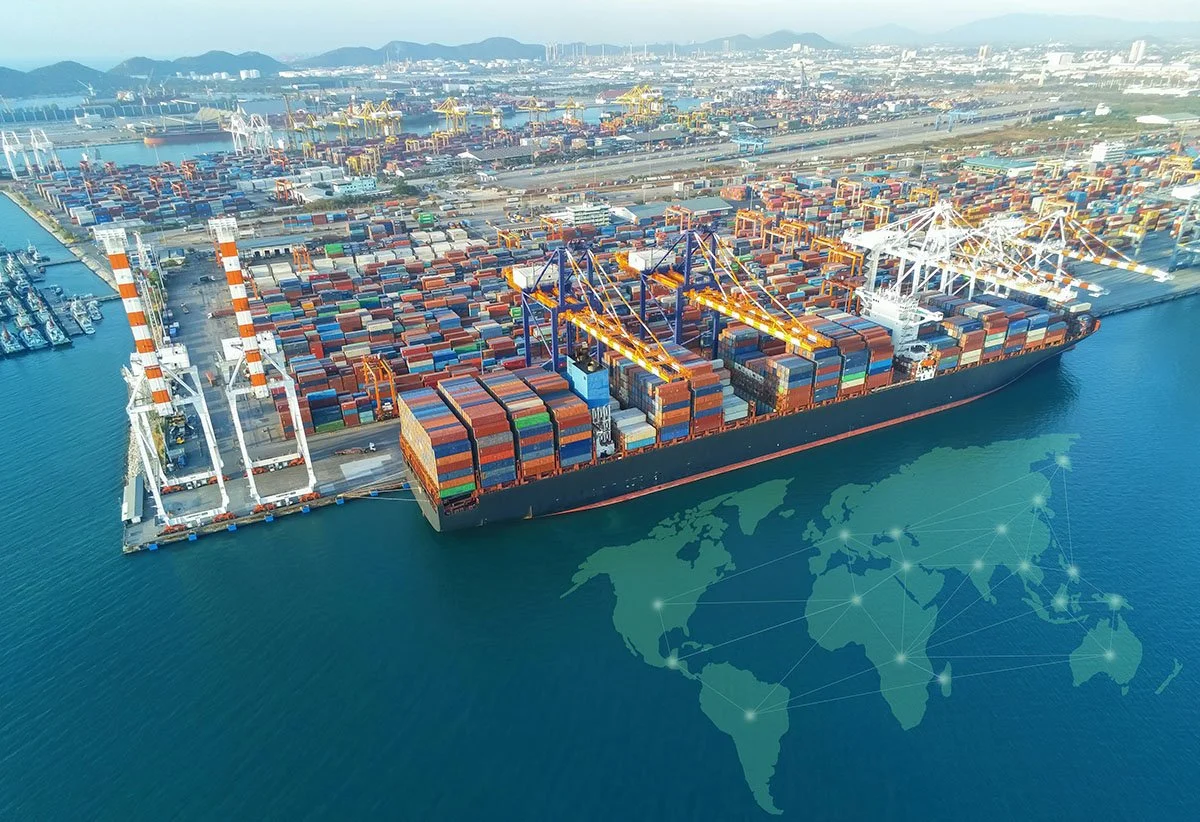
Besides roiling energy markets, the conflict is causing wide-ranging economic impacts as it reverberates far beyond the Middle East, impacting maritime shipping and global supply chains. Shipments of fertilizer, helium, pharmaceuticals and other products have been impeded by the closure of the Strait of Hormuz.
The majority of countries around the world are beginning to experience higher oil prices and countries in Asia, which account for the majority of the Strait of Hormuz oil shipments, are looking around to find other sources of (more expensive) crude and bring in emergency energy rationing measures.
For import-dependent countries in Asia and Europe, the oil impact translates into inflationary pressure, lower consumer demand, reduced productivity, rising unemployment and dampened economic performance.
Global economic progress could also be undercut by long-term damage to the Gulf region, which besides supplying much of the world’s oil and gas acts as a vital economic hub and source of investment around the globe.
Iran war forcing a rethink of growth and inflation forecasts
The international economy, boosted by tech investment, has survived Trump’s undoing of global trade patterns better than had been generally predicted. But, because of the war, multinational organizations are now being forced to rethink their forecasts for world economic growth and inflation this year and next.
While continuing to predict 2.9% global growth this year, the OECD said Thursday the escalating conflict in Iran had deprived the world of a stronger economic growth path next year.
Beyond that, the 38-nation organization said a prolonged disruption to shipments through the Strait of Hormuz or sustained closures of oil and gas facilities could lead to significantly worse outcomes. The resulting higher energy prices, along with tighter financial conditions, could lead to a significant drop in global GDP and sharply higher inflation, the OECD said.
“No country will be immune to the effects of this crisis if it continues to go in this direction,” Fatih Birol, the head of the International Energy Agency, said Monday. The world economy faces a “major, major threat,” he said, adding that the impact on oil supplies from the current war has been worse than the two oil shocks of the 1970s combined.
Presumably aware of the economic catastrophe looming from the U.S.-Israeli military action, Trump on Thursday postponed a self-imposed deadline for attacks on Iran’s power grid to April 6, citing progress in negotiations to reach a ceasefire.
The real status of talks between Tehran and Washington is unknown. While the postponement should be a positive sign, it also means the fighting and the stranglehold on oil shipments that is battering the world economy could persist another 10 days.