Natural resources ‘sit at the nexus of our economic security, sovereignty and global influence’: Hodgson
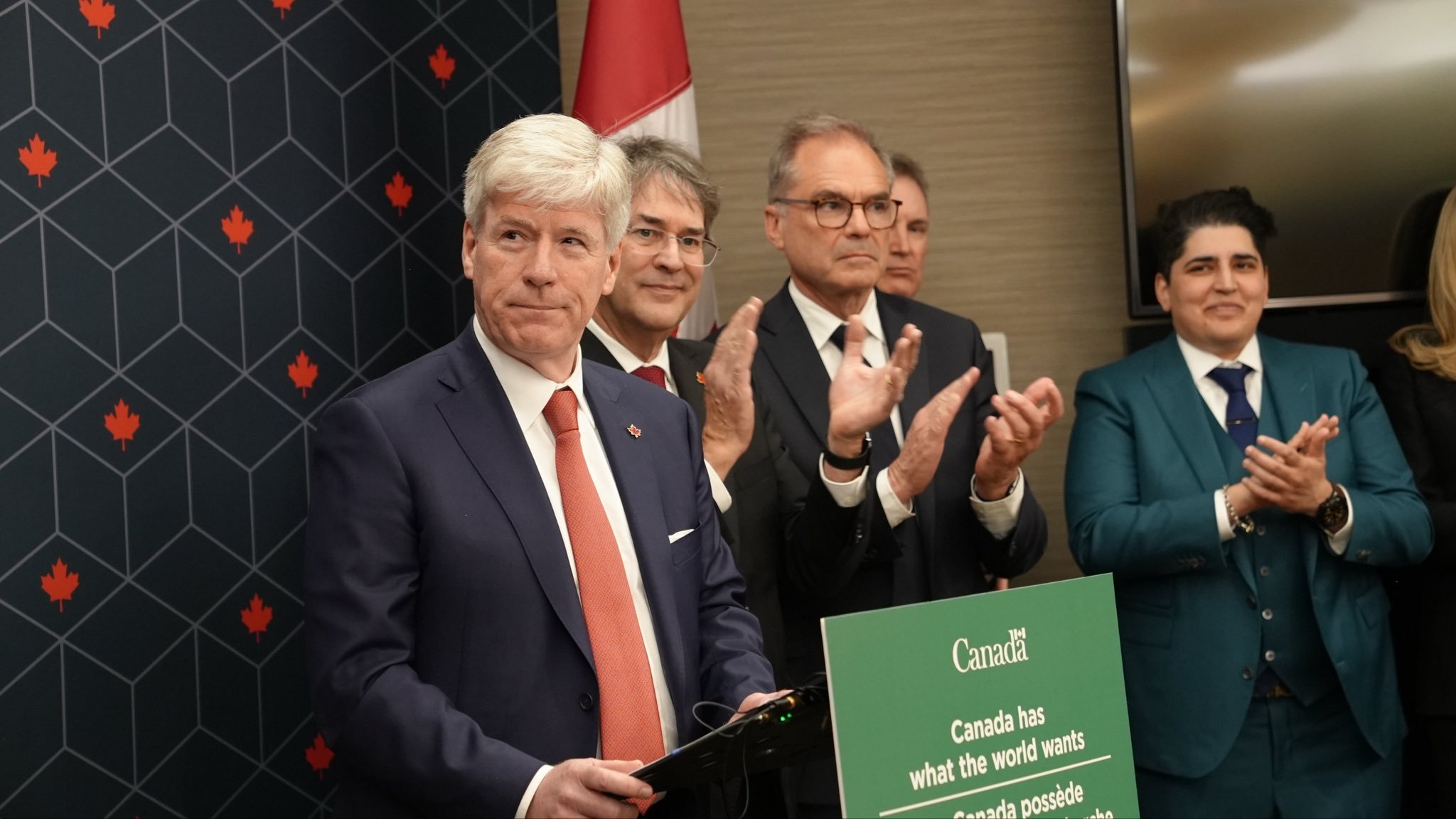
Energy Minister Tim Hodgson, pictured at the Prospectors and Developers Association of Canada Convention, where he announced $40 million for a publicly accessible, digital core library. / TWITTER PHOTO
Canada is facing a profound shift in the global order, one that is reshaping geopolitics, supply chains and economic strategy, Energy and Natural Resources Minister Tim Hodgson said in a speech announcing billions in new mining partnerships.
“We are at a hinge moment in Canadian history,” he said at the Prospectors and Developers Association of Canada Convention this week in Toronto, warning that the country’s economy, sovereignty, climate ambitions and democratic institutions are all under pressure.
The remarks framed a sweeping address to the mining sector that linked Canada’s natural resources to national security, economic growth and global influence.
“The illusion of a stable, rules-based global order is not fading — it has been shattered,” Hodgson said. “We have been launched into a harsh environment where geopolitical competition is intensifying and major powers feel few, if any, constraints on their actions.”
That shift has profound implications for critical minerals, which are now central to modern technologies, defence systems and the transition to low-carbon energy, he added.
“Minerals — once treated as background inputs — are now central to power, economics, defence and the race to net zero,” he said, adding that critical mineral supply chains are increasingly being “weaponized against us.”
“This is a new era for Canadian mining — one where our resources once again sit at the nexus of our economic security, sovereignty and global influence,” he said.
Hodgson emphasized that Canada’s mining industry is a cornerstone of the national economy. In 2024, the sector supported 724,000 jobs and contributed $156 billion to the country’s GDP.
Canada produces 60 minerals and metals from about 200 mines and exports to 200 countries. Mineral exports represent 21 percent of Canada’s exports overall.
“As someone who spent decades in capital markets, let me frame this clearly: Canada’s investment proposition has never been stronger,” he said. “We offer world-class geology; deep, liquid public markets; stable regulatory institutions; strong environmental standards and Indigenous partnerships; and political continuity.”
The government also pledged reforms to speed up approvals for large mining developments.
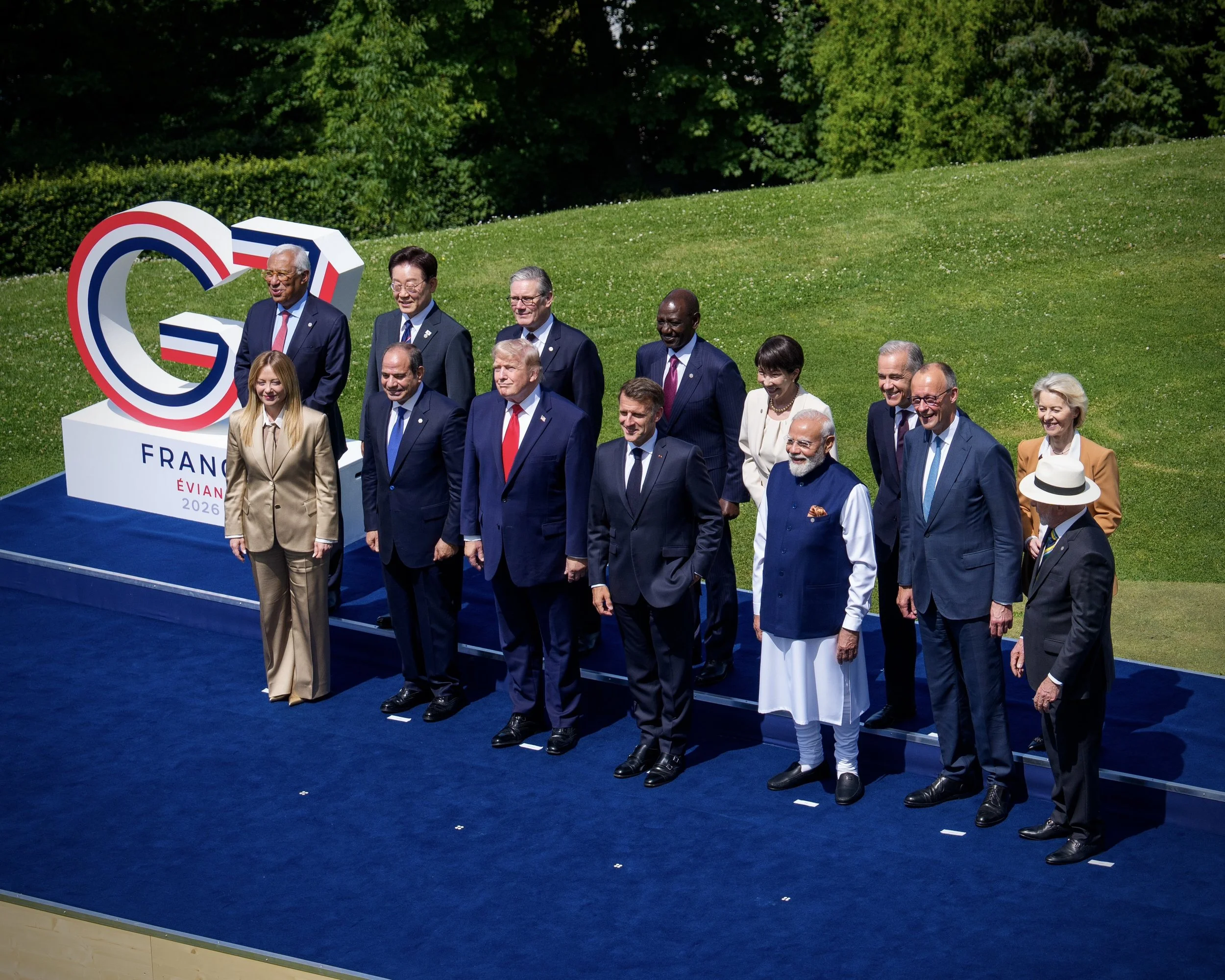
During his speech, the minister announced a second round of agreements under the G7 Critical Mineral Production Alliance, launched during Canada’s 2025 G7 presidency. The new round includes 30 partnerships involving 10 allied partners, the European Union and the United Nations, along with a letter of intent between the European Investment Bank and the Government of Canada.
Hodgson said the agreements are expected to generate $12.1 billion in capital investment for Canadian critical minerals projects, bringing the total investment linked to the alliance to $18.5 billion in the past six months.
Hodgson also announced more than $3.6 billion in new federal programs and investments, including up to $165.2 million for 22 projects across the country.
The government will create a $2-billion Critical Minerals Sovereign Fund to support strategic projects, and launch a $150-million First and Last Mile Fund to address infrastructure gaps between mine sites, processing facilities, and transportation routes.
Natural Resources Canada will introduce a Mine Permit Navigator, an online tool intended to give mining companies a clear guide to federal permits and approvals, in an effort to address permitting delays.
Hodgson said Ottawa has expanded 'one project, one review' agreements to include Alberta, Manitoba, Ontario, New Brunswick, Nova Scotia, and Prince Edward Island, following an earlier agreement with British Columbia. A portfolio of major mining projects valued at $116 billion has been referred to the federal Major Projects Office for coordinated decision-making.
“This is industrial policy designed to crowd in capital and accelerate growth,” Hodgson said. “Canada intends to be the best place in the world to invest in mining, processing and partnership.”