‘Unambiguously soft’ inflation report means BoC can hold fire for now

StatsCan’s ‘friendly’ inflation report should calm speculation about near-term Bank of Canada rate hikes, says BMO chief economist Doug Porter. / BMO PHOTO
Statistics Canada reported an uptick in inflation in April but the underlying trends were soft enough that economists widely concluded the Bank of Canada will be able to stand firm on its key interest rate setting for the time being.
Annual inflation accelerated to 2.8% in April, compared with 2.4% in March, largely as a result of higher gasoline prices caused by the energy crisis from the Iran war, according to Statistics Canada, which reported an almost 30% jump in prices at the pump last month. Higher costs for food, rents and passenger vehicles also drove inflation higher.
However, due to the level of slack in the economy, core measures of inflation cooled. The BoC uses core inflation measures, which weed out the most extreme price swings, to assess current conditions.
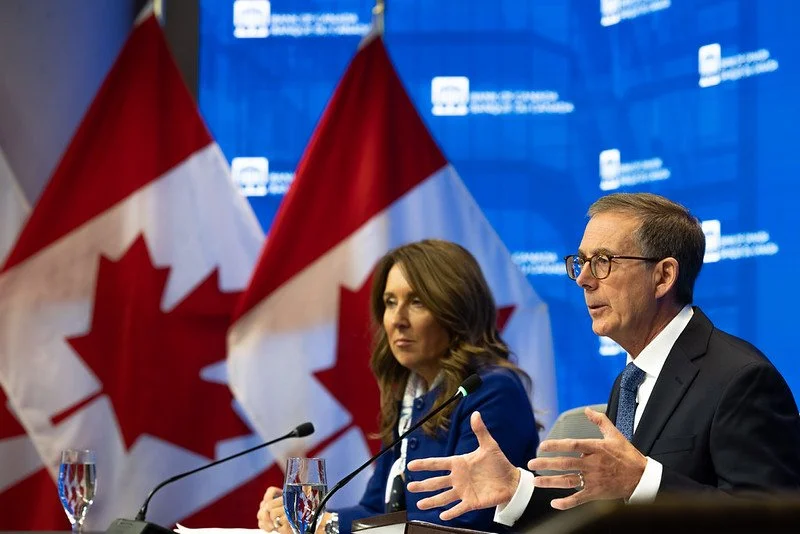
The continued easing in core inflation was widely seen as enough to allow BoC Governor Tiff Macklem to keep the bank’s key overnight interest rate at 2.25% while the central bank waits to see the economic impact of the ongoing Iran war and Canada-U.S. trade talks.
“Looking beyond the nasty business at the gasoline pumps, this report is unambiguously soft,” BMO Chief Economist Doug Porter wrote in a report to clients. It appears that the sizable and growing output gap is prompting ongoing disinflationary pressure in many other sectors.
“The risk is that still-rising energy prices disrupt that calming trend over the next few months,” Porter said, adding this “friendly report” should calm speculation about near-term BoC rate hikes. “This cool core inflation backdrop reinforces our bias that rate hikes would be a big mistake in the current Canadian economic landscape.”