The Carney revolution in government and business

‘Carney’s ongoing campaigns to streamline large project approvals, break down internal trade barriers and actually do something about the country’s 75-year dependence on the U.S. economy mark radical departures from past policies,’ writes Les Whittington. / SCREENSHOT
The federal scene in Ottawa has never witnessed anything like it — at least not in recent decades.
Slow, incremental change has been the modus operandi of controversy-averse Canadian governments for many years. And implementation has often been honoured in the breach.
Galvanized by the economic upheaval sparked by U.S. President Donald Trump’s trade assault, Prime Minister Mark Carney is brushing aside much of the usual, hesitant approach to change in policy on the Hill. It’s an essential element of his drive to do nothing short of building an almost entirely new, post-NAFTA economic structure.
Exhibit one in the Spring Economic Update has to be the creation of the sovereign wealth vehicle named, predictably, the Canada Strong Fund. Here Carney is saying that, if tax incentives and federal grants aren’t enough to get corporations to increase business investment, let’s harness investment by foreigners and everyday Canadians to generate the funds to power much-needed big building projects. It will be seeded with $25 billion in federal cash.
“Fom the government’s perspective, they see that Canada’s business capital formation has just been horrible,” former Parliamentary Budget Officer Kevin Page told BNN Bloomberg. “They feel they have to step in, particularly to deal with these bigger infrastructure projects, get more foreign direct investment, but really support it with government investment.”
It’s a similar case with the $6 billion worker training program announced this week. The extensive, carefully targeted plan is meant to address youth employment and the fact that the Liberals’ major infrastructure-building strategy will fail without an increase in skilled trades. Pointedly, it upgrades support for inadequate provincial programs and includes funding to pay businesses to get over their reluctance to take on workers who don’t already have experience.
Carney is trying to wake up defence procurement
As part of Carney’s ongoing push to wake up the government’s notoriously sluggish defence procurement operations, the Liberals earmarked $103.8 million to establish the Defence Investment Agency as a new stand-alone organization with more independence and oversight.
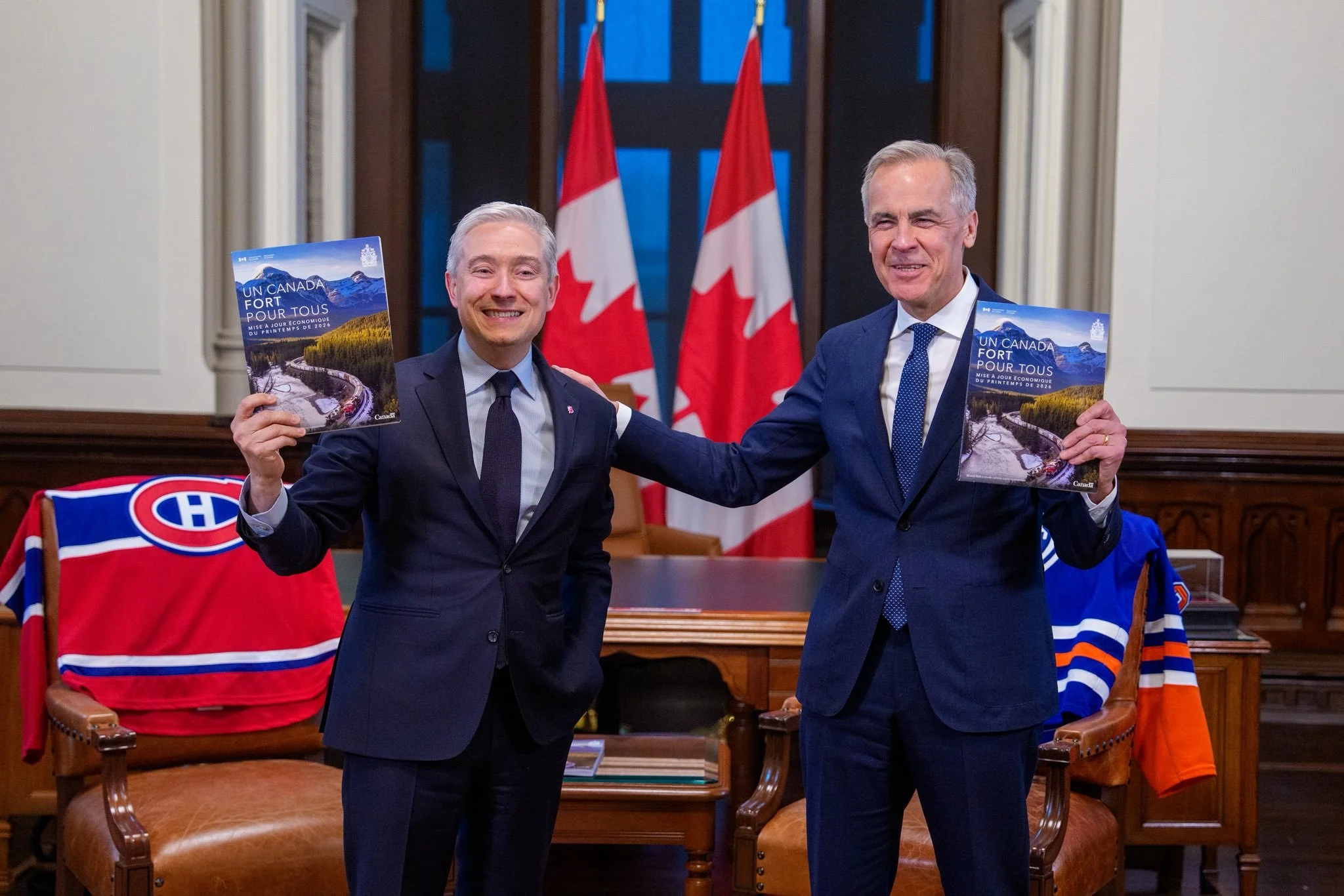
In another departure from customary policy, the SEU reiterated the government’s proposal to sell off its 23 airports. Finance Minister François-Philippe Champagne explained that Ottawa has to “modernize” the way it handles federal assets to generate funds for so-called nation-building projects.
“We need to build so much that we need to look at the kind of assets we have,” he said. “There might be different types of ownership that might be providing better value for money for Canadians.”
Another item in the economic update eyes a way to overcome the current mess with airline complaints, which now have a backlog numbering about 100,00. Clearly fed up with the government’s failure over three years to implement planned improvements on this file, Carney wants to hand the problem over to an outside adjudicator — whom the airlines will pay to clear the backlog.
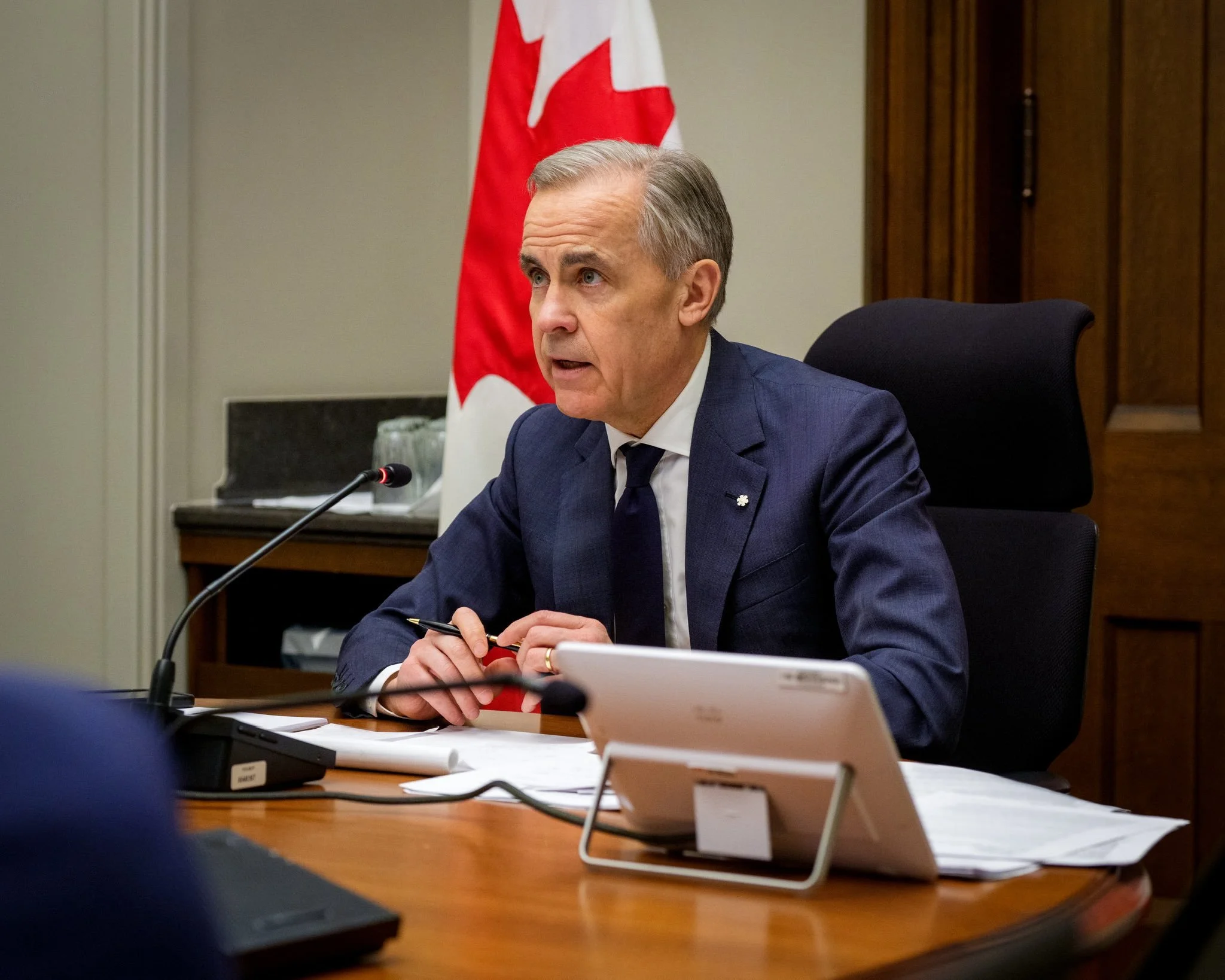
On the wider front, Carney’s ongoing campaigns to streamline large project approvals, break down internal trade barriers and actually do something about the country’s 75-year dependence on the U.S. economy mark radical departures from past policies. Ignoring the standard opposition complaints about his foreign travels — something that likely would have kept his Liberal predecessor mostly at home — Carney is reinventing Canada’s international posture from that of a U.S. partner to a world leader with close ties to Europe’s social democracies and other middle powers.
Among other things, this campaign has led to Canada being chosen as the potential host of the Defence, Security and Resilience Bank (DSRB), which will boost this country’s role in the effort by European and other countries to rearm in the face of today’s more risky geopolitical environment.
This weekend Carney will be in Armenia to participate in the 8th European Political Community Summit, the first non-European leader so invited. Besides giving the prime minister an opportunity to discuss trade ties in the region, it will put him at the centre of Europe’s security planning in response to the Russian invasion of Ukraine.
Whether these radical departures in Ottawa’s past approach to the country’s issues will bring successes is yet to be seen. But Carney’s radical, clear-the-track strategy is a profound departure from previous federal governments’ problem-solving efforts.
“We’re starting to shift things but we’re in no way satisfied,” the prime minister said. “We’re just getting started.”