All we want for Christmas is a ‘grand bargain’ on supply chains
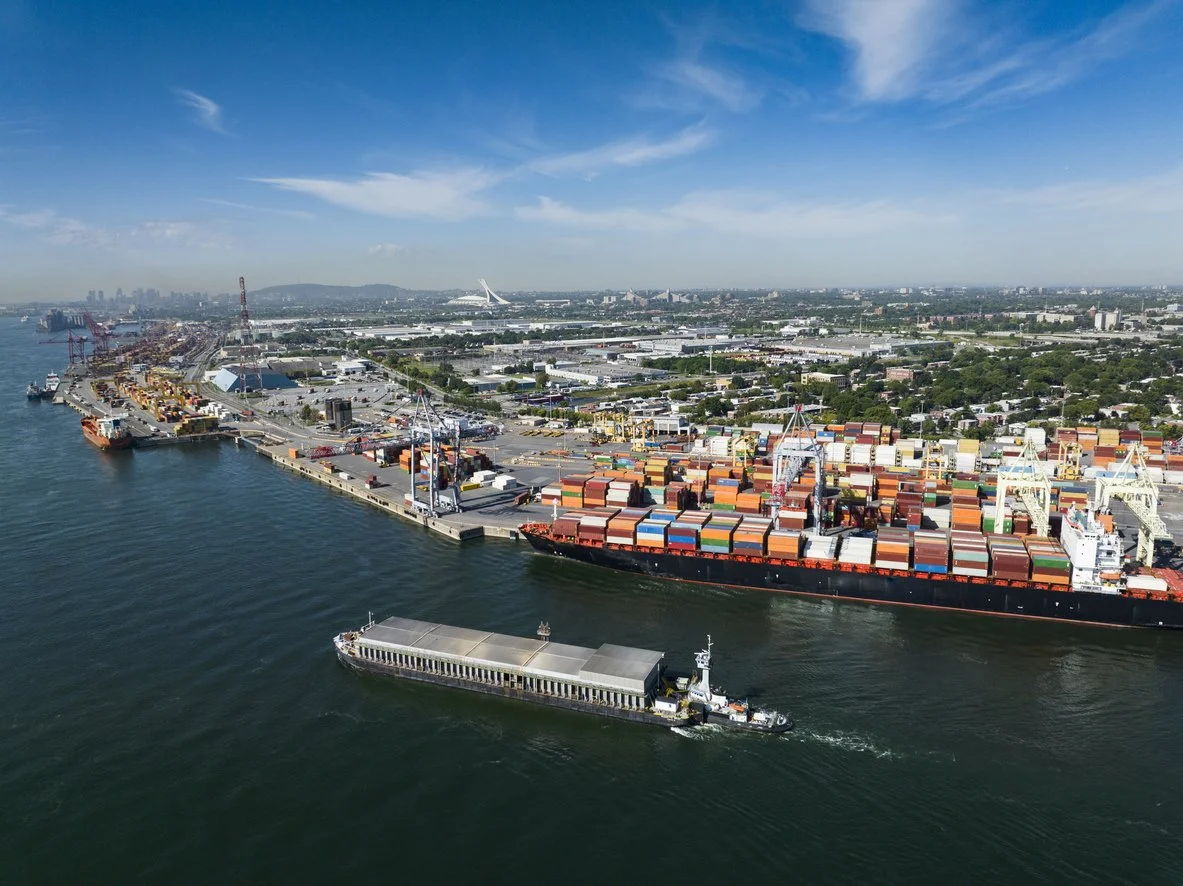
ISTOCK PHOTO
The Holiday Season is once again upon us. In big cities and small towns across the country, Canadians once again gather to cherish the bonds of family and faith, to reaffirm the blessings of our unmatched diversity and our dynamic nation.
Above all, we have a chance to savour our most precious seasonal wonder: supply chains. Yes, you read that correctly: supply chains. At no other time of the year do we depend on the reliable, timely delivery of gifts, decorations of all kinds, and festive foods for all palates to make the season bright.
Indeed, the story of Santa Claus — just one of the many cultural traditions and religious faiths observed at this time of the year, from Christmas to Hanukkah to Kwanza, and more — is at heart a triumph of supply chain management. For 11 months of the year, Mr. Claus and his workforce must build an inventory of a billion gifts, scanning and tracking customer orders that flood into his North Pole distribution centre right up to the last minute. Then in 24 hours, he and his team circle the globe, delivering gifts to the right address at the right time. High-speed, just-in-time, supply chain management: thy name is Santa Claus.
Okay, we’ll stop now. But you get it. The quality of life, the standard of living and prosperity that Canadians sometimes take for granted depend on dependable, modern and efficient supply chains. It's not poetry, but it is fact. And we now know that we cannot complacently assume our existing supply chain gaps and structural weaknesses can be tolerated as they have been for far too long.
If 2025 has been about anything, it is that Canada has begun to grapple with a strange new world; a less globalized, more balkanized, less certain world, where old friends are less friendly and old adversaries may become, if not exactly friends, certainly potential new partners. The lurch into this new reality has touched every facet of Canadian life, prodding our usually dormant national pride, jostling our global self-image, and reshaping our search for partners, markets, customers and reliable suppliers.
Change always has elements of both uncomfortable uncertainty and hidden opportunity. Right now, for Canadians, uncertainty is prevalent and obvious. But the opportunities are just as important, perhaps more so. Which brings us directly to the opportunity we have right now to fix what is broken in our supply chain system and shape it for the new world.
Moving Canadian goods and services to market is a triumph of will over geography. Canadian producers, manufacturers, transporters and entrepreneurs — large and small — do an extraordinary job of getting Canadian high-quality products and services to market in the right quantity, at the right time.
It's in the nature of Canada's “just in time delivery” supply chains that they are under constant stress at the best of times. These are not the best of times.
Canadian railways have repeatedly failed to meet shippers’ car orders, severely disrupting the movement of grain to export terminals. Tariff turmoil and rising costs are putting pressure on the produce supply chain, potentially affecting affordability and access to fresh fruits and vegetables in Canada.
The same uncertainty has increased input costs and complicated planning for retailers importing goods, particularly electronics, apparel and seasonal items. This has contributed to inventory mismatches and delayed shipments. Canadian manufacturers report ongoing supply chain issues that are impacting production on multiple levels: increasing costs, delaying deliveries, switching suppliers, delaying investment and diversifying operations.
Lockouts and strikes at major Canadian ports and among nationwide rail freight carriers have temporarily paralyzed the economy. The Canada Post strikes have reminded us that a service many think is redundant in our online age can cause significant disruptions, particularly for small and medium-sized businesses. The Air Canada flight attendant strike threatened long-haul cargo flights.
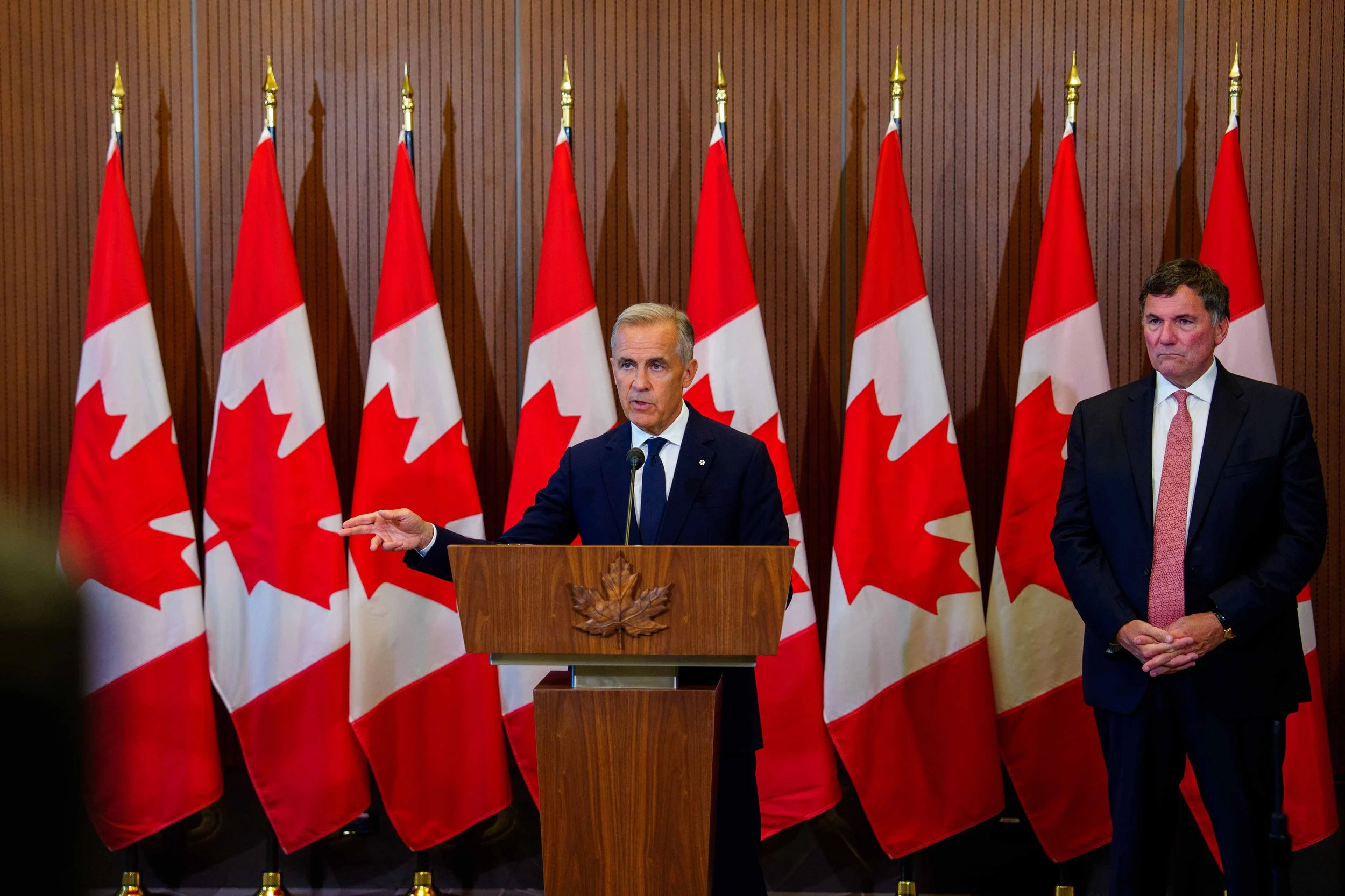
Prime Minister Mark Carney dared Canadians to rise to meet unanticipated, unpredictable and historic economic challenges. For a banker, his high-octane rhetoric in this summons to national duty has been astonishing.
He said, "We used to build big things in this country, and we used to build them quickly. It's time to get back at it, and get on with it."
He said, "We will need to do things previously thought impossible at speeds we haven't seen in generations."
He said, “Canada will be defined by delivery, not delay.”
Carney has also put his priorities and the taxpayers’ money where his mouth is, adopting a governing agenda and allocating billions of dollars to bring this agenda to life: a Strategic Response Fund, a Buy Canadian Strategy, a Critical Minerals Strategy, a Climate Competitiveness Strategy, an International Talent Attraction Strategy, and a Regional Tariff Response Initiative. For good measure, he has thrown in new procurement policies, sector-specific support programs, and worker upskilling initiatives.
Carney has also undertaken a one-man Team Canada world tour in search of new customers and investors in the European Union, India and among the capital-rich Gulf states in the Middle East.
Yet nowhere do we find a National Supply Chain Strategy. To be sure, strengthening and diversifying supply chains are mentioned on the margins of each of these initiatives. But there is no coordination across sectors, such as transportation infrastructure, unions, immigration, and skills policies, or alignment of distinct federal and provincial regulations.
This is an astonishing lack of focus for a Prime Minister who seems to pride himself on being all about focus. Surely he must understand that our reputation as a source for goods and services, or as a magnet for global investment, will stand or fall on our capacity to get those goods and services to market. If we can't do that, customers and investors will just take their money elsewhere.
Recently, the Prime Minister concluded an MOU on energy development with Alberta. It has been called a Grand Bargain, one that integrates conventional and clean energy development in a holistic way.
As we settle down for the holiday season, the Prime Minister should reflect on the significant gaps in his supply chain agenda. He should return in the New Year making it a priority to conclude a Grand Bargain on supply chains; convening natural resource producers and processors, manufacturers, internet, wireless and e-commerce leaders, small and medium-sized businesses, and unions to agree on a coordinated plan that strengthens and modernizes the entire Canadian supply chain ecosystem.
At the end of the day, delivery is all that matters. Santa knows that, so should the Prime Minister.