A year later, Carney has not moved the needle on what he said he would

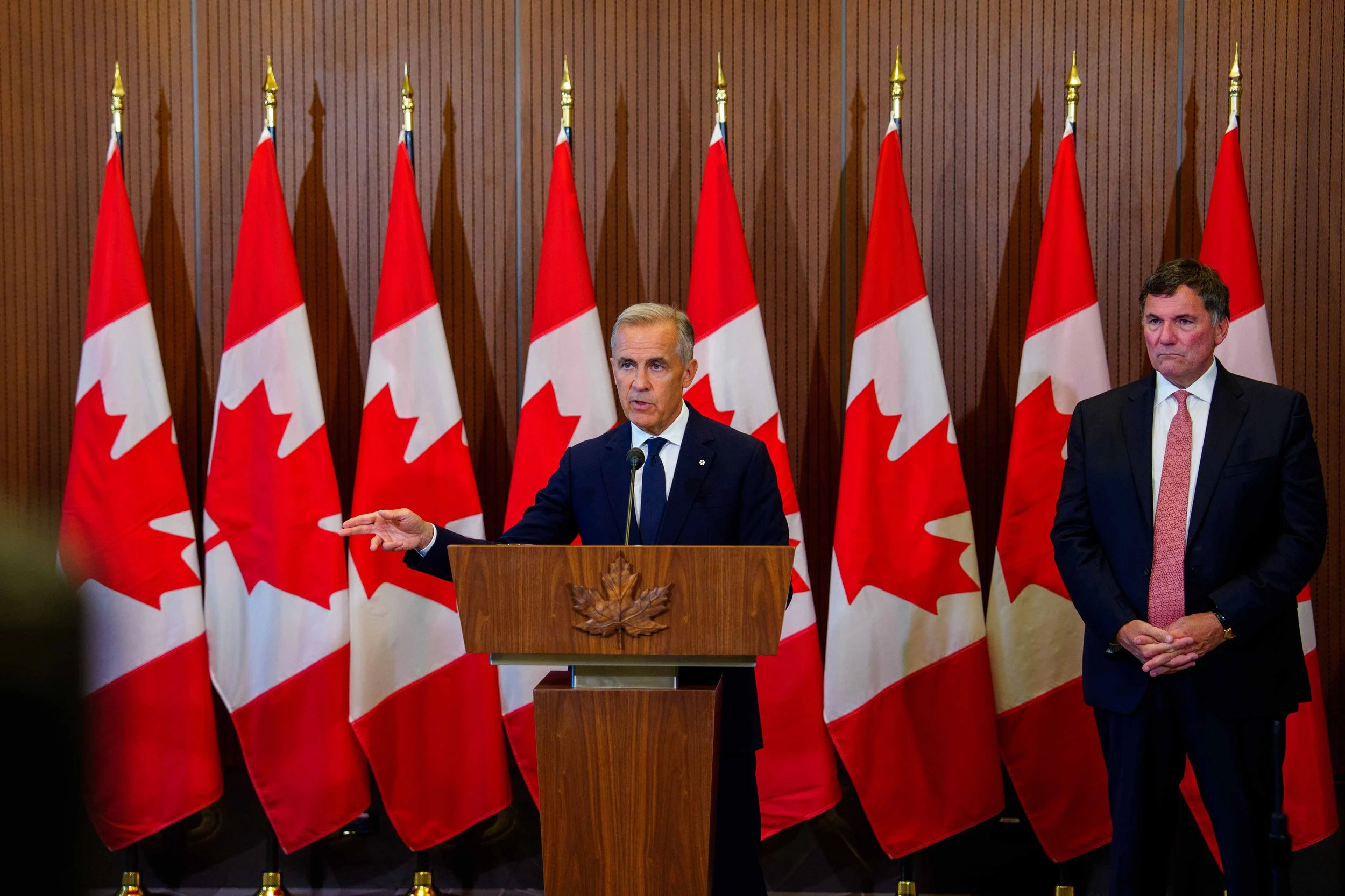
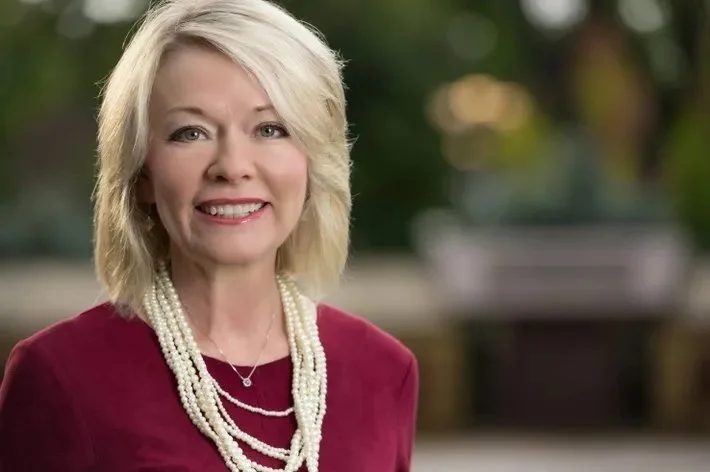
‘What Prime Minister Mark Carney's first year in office has demonstrated, above all, is that management of a crisis is not the same as resolving it,’ writes former Conservative Party leader Candice Bergen. / TWITTER PHOTO
Mark Carney came to office a year ago in the middle of a genuine crisis. A trade war with Canada's largest partner, a fractured federation, a cost-of-living emergency and a country that had lost confidence in its own economic future.
Prior to putting his hat into the political arena, Carney was the chair of the board of very large, successful companies, but that is very different from being the CEO. The chair helps oversee the strategic direction of the company, but it’s the CEO who delivers on the strategy and returns for shareholders. A year after becoming the prime minister, it’s clear Carney’s mindset is still as chair and not as CEO. On the campaign trail, he promised competence. He promised results. A year in, he hasn’t quite delivered. The standard he set for himself was high. Does he have the ability to be do the work to build a team, get the best out of the team and deliver for Canadians, the shareholders?
Here are five takeaways from the last year and what we can expect going forward.
1. Elbows up diplomacy does not equal trade deals
The Prime Minister traveled extensively in his first year, going abroad with an "elbows up" rhetoric in the name of trade diversification following a shift in our relationship with the United States. A year on, investment has not returned at the scale promised, and the fundamental leverage problem — Canada's inability to move its own natural resources to non-American markets — remains unsolved. Carney said he would get it done. It is not where Canada needs it to be. It also still doesn't address the elephant in the room - getting back on track with our largest trading partner. As Conservative Leader Pierre Poilievre has said, we need "unbreakable leverage" to protect Canadians. It would do Carney well to listen to what Poilievre has to say, especially around forming an all-party committee to advance Canada's interests in the CUSMA review, creating a strategic reserve of energy and critical minerals and developing a new tariff-free auto pact with the United States.
2. MOUs are not pipelines
This is where the gap between rhetoric and results is most visible. The Canada-Alberta MOU, the signals on Alberta's energy corridor, the language around critical minerals — all of it pointed in the right direction. But a year in, there is still no credible proponent standing up to build. Canada is still importing LNG on its East Coast from Australia while sitting on world-class reserves. The next several months will be Carney's true test on whether more shovels are in the ground than signatures are on paper.
3. The Alberta sovereignty question is not going away
There will be a provincial referendum vote in the fall. In the absence of visible progress on energy infrastructure, that vote could become a significant flashpoint. According to a recent Abacus Data poll, 26 per cent of Albertans said they support independence, while 64 per cent oppose it. We have not had a major constitutional crisis in a generation and it's something Carney must deal with in a collaborative way so as not to further alienate Albertans. Federal-provincial tension and talk of referenda have historically been a leading indicator of investment hesitation in energy, infrastructure and resources sectors -- there is a lot at stake depending on the outcome of the referendum and the Liberals need to start paying attention. A Prime Minister serious about national unity needs a credible offer to the West, not just process. The fall referendum vote will be a test of whether the federal government has done enough to give Albertans a reason to believe the Carney Liberal government is different from the Trudeau Liberal government when it comes to the West.
4. We cannot be replacing the U.S. with China
Faced with American tariff pressure, Carney made a deliberate choice to open economic dialogue with China as a diversification strategy. As Poilievre has noted, the Canada-U.S. partnership is in the best interests of both countries.
"Canada's prosperity and security are inseparable from a stable relationship with the United States, and that is why we should not declare a permanent rupture with our biggest customer and closest neighbour in favour of a strategic partnership for a new world order with Beijing," said Poilievre.
"Canada should talk and trade where prudent, but never make the mistake of confusing engagement with dependency. China is not a substitute for the United States of America," he added.
He is right. Just a few months ago, China was our biggest threat. And now they're part of this new world order that Carney is creating. The messaging is confusing and the strategy is risky for Canadians on all levels.
5. Cost of living: The issue that hasn't moved
Housing affordability, grocery prices and the everyday cost of living were the defining anxieties of the 2025 election. Carney ran, in part, on a promise of economic competence and a path back to stability. A year in, those pressures have not eased for most Canadians. It is the area where the gap between expectation and experience is most acutely felt by ordinary Canadians. It is also, frankly, the area that Poilievre has an advantage, having spoken about it consistently for the last several years. On this front, the verdict is clear: Carney has not moved the needle.

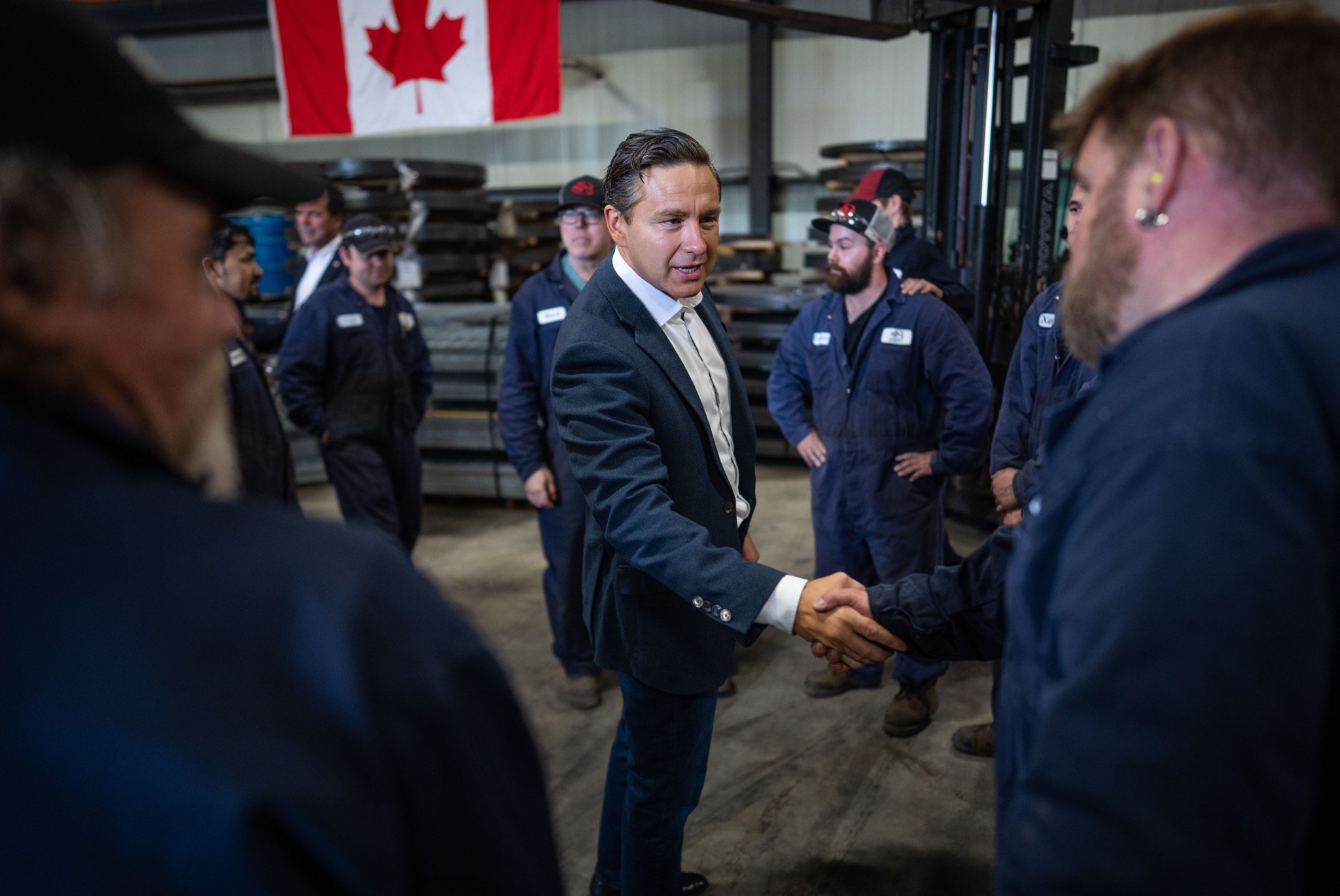
Conservative Leader Pierre Poilievre / FACEBOOK PHOTO
On the Conservative side, it's also been quite a year. After losing his seat in the general election and winning again in a byelection last summer, Poilievre has learned the hard way that leading with humility in politics can go a long way. Despite the recent floor crossings, Poilievre received a strong leadership review that should give him confidence about holding onto the Conservative coalition. He doesn't need to change who he is or what he stands for, but surrounding himself with people that don’t just say “yes” but challenge him in order to bring out the best in him will not go unnoticed, especially by his caucus. Poilievre’s biggest challenge will not be the Liberals, Trump or his approach on policy, it will be his caucus. If he recognizes they are truly his biggest asset and not something to be “managed,” it will show he is playing the long game. Reaching out to U.S. and European counterparts and developing the international relationships needed to leverage as a government in waiting shows that he’s taking in the feedback seriously.
What Carney's first year in office has demonstrated, above all, is that management of a crisis is not the same as resolving it ie: chair of a board vs. CEO. The harder question, whether he can lead Canada toward a fundamentally stronger position, remains open. The opposition is strong and will continue to hold Carney's government to account with Poilievre's disciplined economic message and the need to "very aggressively fight for Canada."