U.S. concerns, Alberta separatism dominate First Ministers’ Meeting
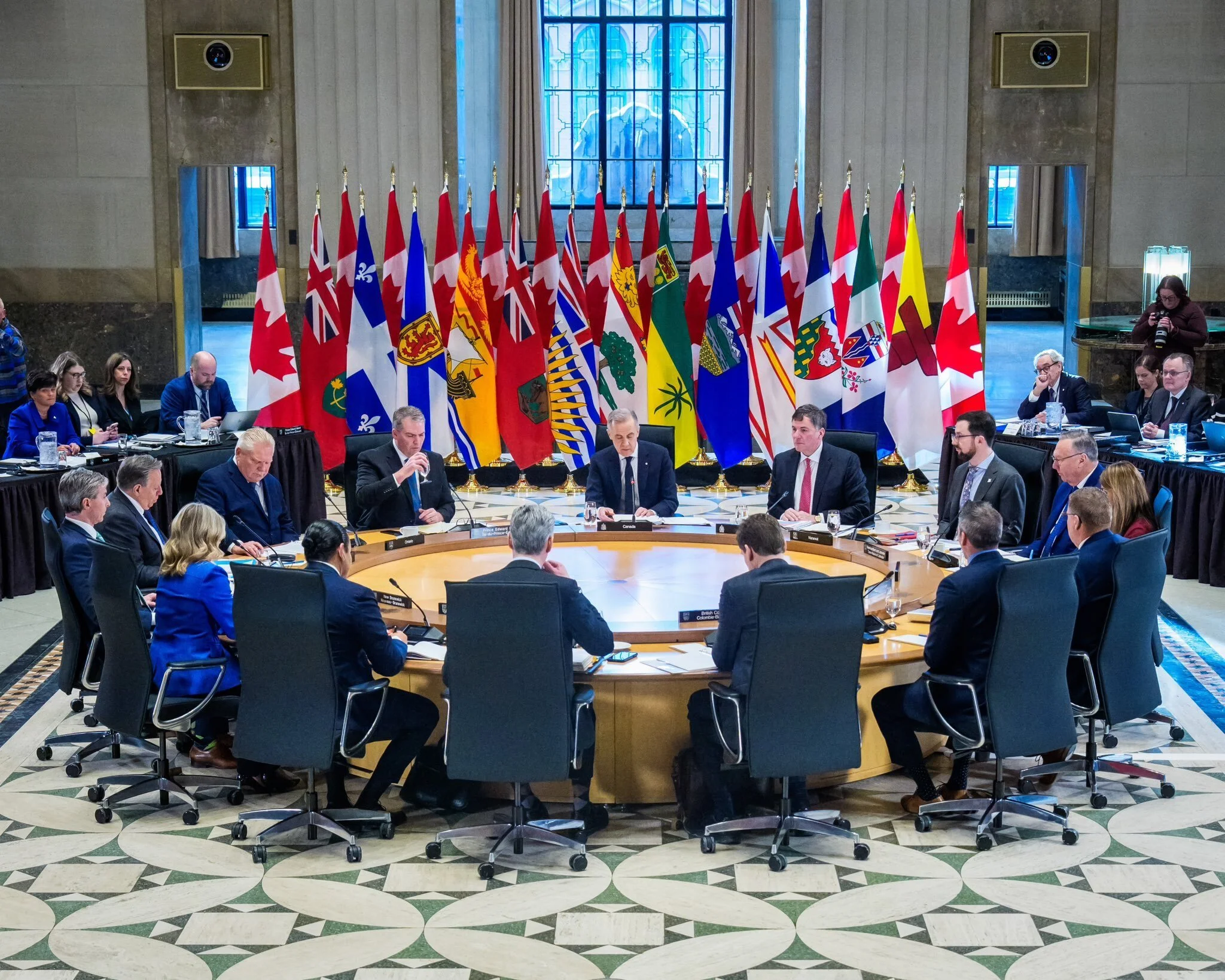
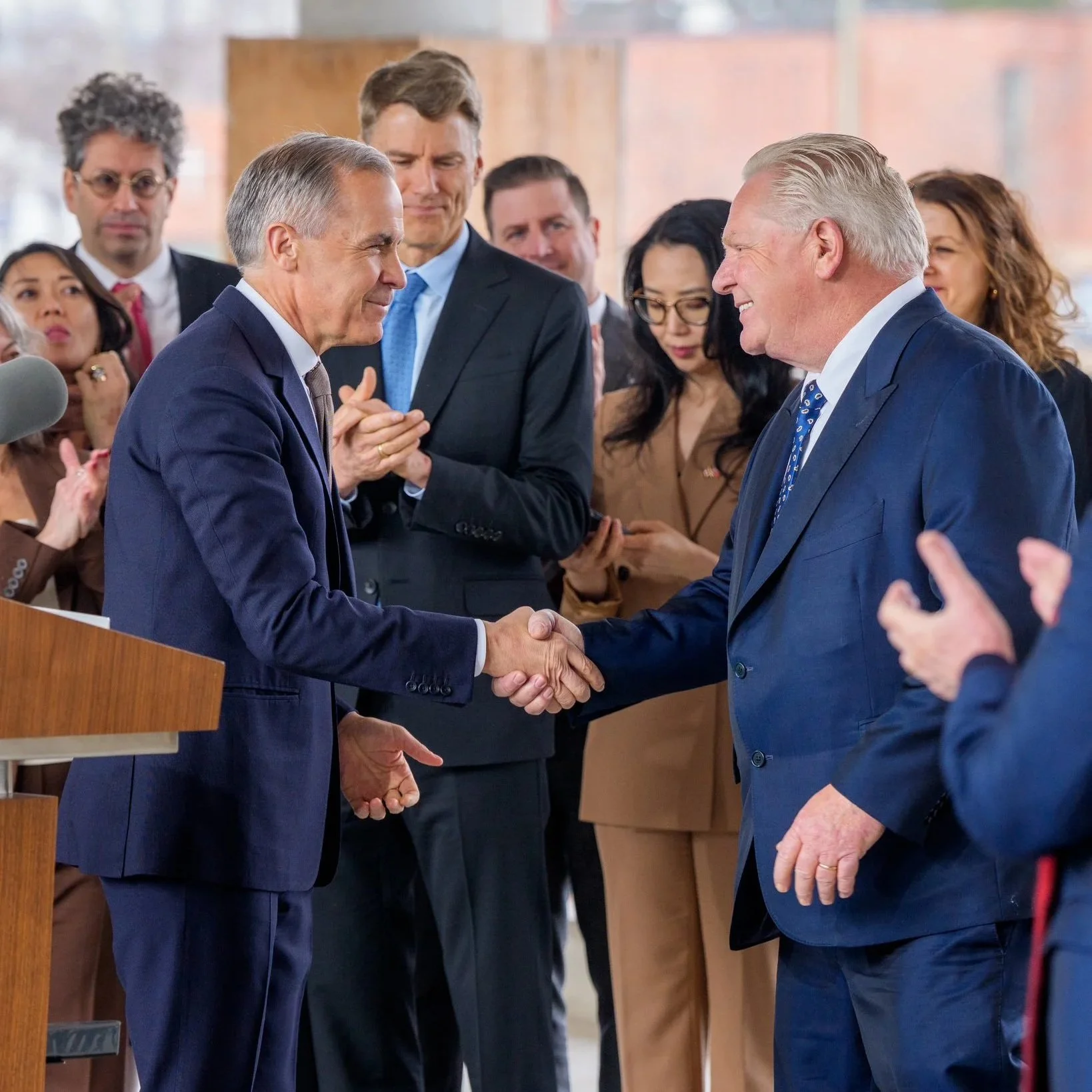
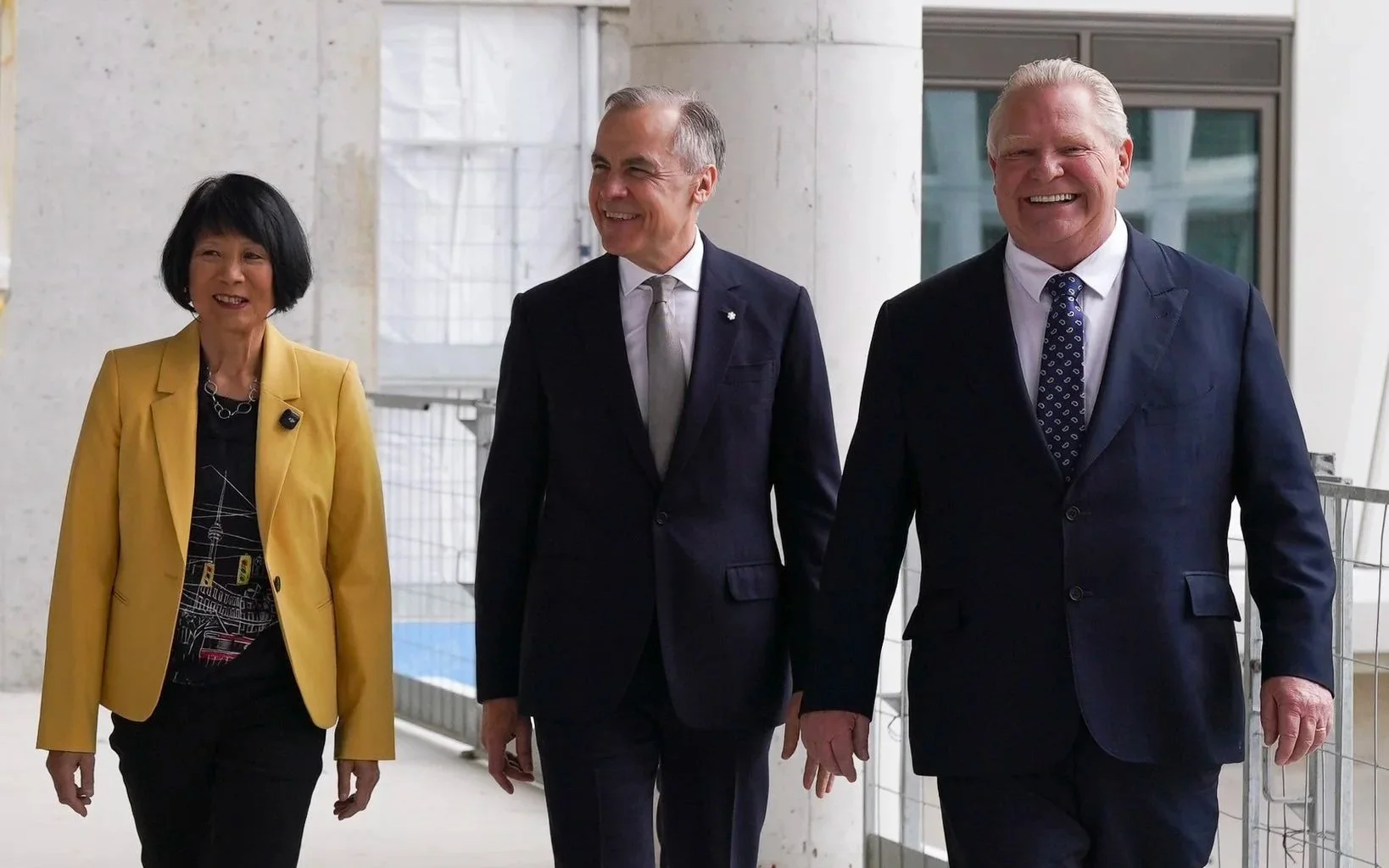
Prime Minister Mark Carney held a federal-provincial-territorial First Ministers meeting on Thursday, Jan. 29. / TWITTER PHOTO
Prime Minister Mark Carney said he expects the U.S. to always “respect Canadian sovereignty” at a First Ministers’ press conference dominated by U.S. issues and questions about Alberta separatists.
The prime minister, who met with premiers Thursday, stressed the leaders’ joint determination to pull together to unleash infrastructure projects and new trade potential as Canadians respond to the U.S. trade war.
“First Ministers agreed on the importance of enhancing Canadian competitiveness, attracting foreign direct investment and diversifying trade to double Canada’s non-U.S. exports over the next decade,” the PMO said after the meeting.
“They agreed to enhance the coordination of their international efforts as they work together to promote new investments and grow Canada’s economy,” the statement said.
This effort will include creation of a Team Canada Trade Hub meant to enhance coordination of trade diversification efforts and support provinces and industry to do more business abroad and bring more investment into Canada.
The federal government will soon release a draft of a new electricity strategy intended to advance the economy by increasing affordable electricity supply, the prime minister said.
And the First Ministers have decided to meet monthly to keep updated on North American free trade talks with the U.S. and Mexico.
Interprovincial trade barriers
An FPT meeting will be held in March to discuss the removal of more interprovincial trade barriers, particularly those concerning the free movement of workers among Canada’s provinces and territories. “The bottom line is we all agree that enabling nurses, teachers, tradespeople to work where they want, to take their skills where they’re in high demand, is right for them and it’s right for Canada,” Carney told reporters.
This comes as a new International Monetary Fund report was released this week, with findings that show fully eliminating Canada’s interprovincial trade barriers could increase its real GDP by about 7% over time.
It could mean roughly $210 billion in GDP, with the IMF saying the gains per province and territory “reinforces the case for reform,” the report says.
“These frictions are economically consequential,” the IMF report said.“Goods, services, and workers face significant barriers when moving across provincial and territorial lines — a fragmentation that affects productivity, competitiveness, and overall resilience.”
However, the report said the costs are mostly concentrated in services, which make up the majority of trade between provinces. Interprovincial obstacles in some sectors, such as health care and education, are equivalent to a 40% tariff, according to the study released this week.
“Canada’s economic future will be shaped as much by how effectively it mobilizes its domestic market as by how it engages globally. The evidence is clear: internal barriers remain large, economically costly, and increasingly out of step with the needs of a modern, vibrant, service-intensive economy. Removing them offers one of the most powerful—and least fiscally costly—levers to raise productivity, strengthen resilience, and support inclusive growth,” the report says. “The opportunity is now. The prize is large. Turning thirteen economies into one is no longer just an aspiration—it is an economic imperative.”
Alberta separatists
Carney’s comment at the leaders’ press conference that he is “always clear” about the need to respect Canadian independence when talking to U.S. President Donald Trump came up when the leaders’ gathering splintered over the Alberta separatist movement.
Tensions erupted publicly among premiers after news reports that Albertans pressing for a separation referendum in their province had met with senior U.S. officials to discuss the province’s potential breakaway from Canada.
Ontario Premier Doug Ford sharply criticized the Albertans involved in those meetings and B.C. Premier David Eby branded them as traitors.
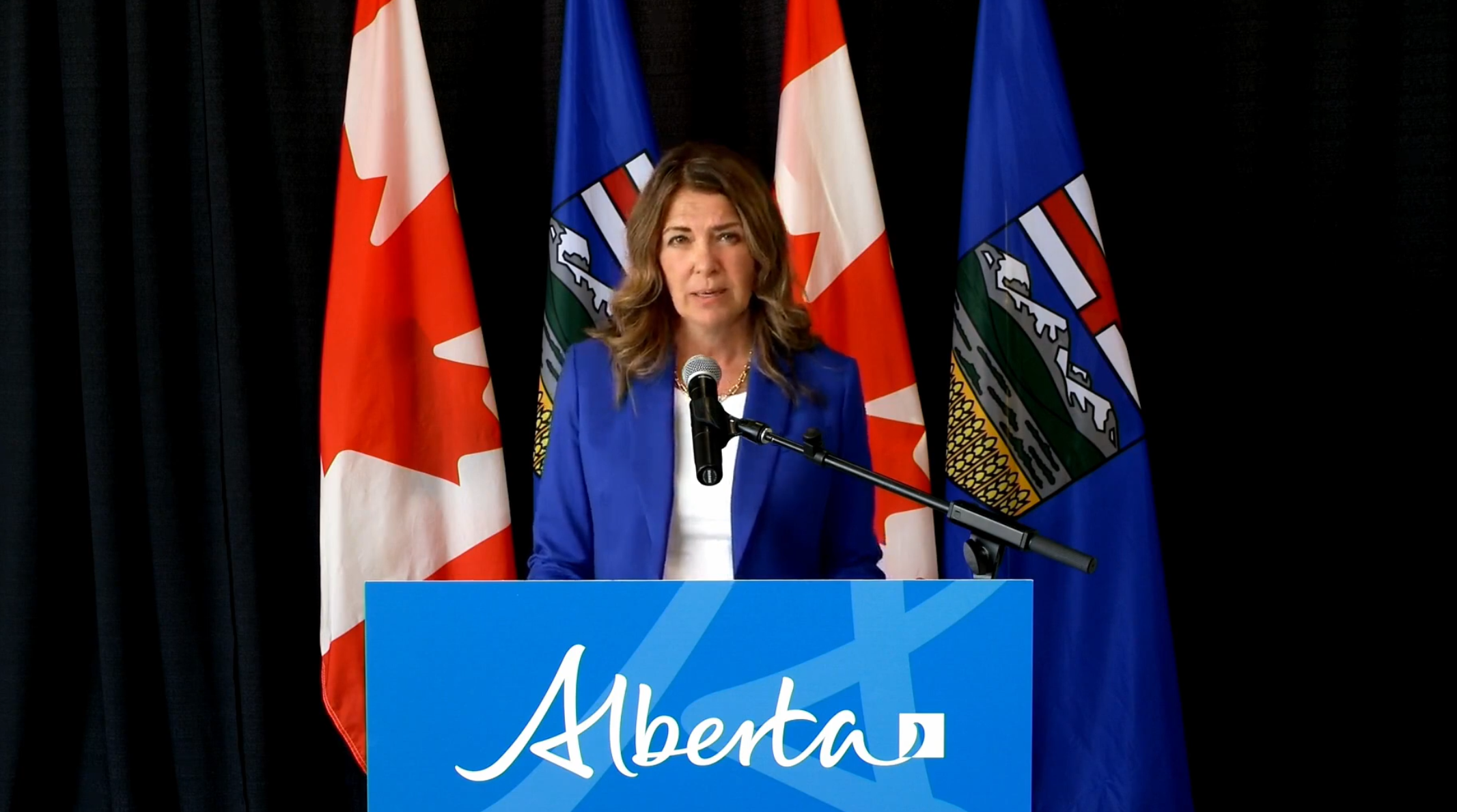
But, speaking with reporters, Alberta Premier Danielle Smith declined to denounce her province’s separatist movement, saying many Albertans are deeply alienated from Canada because they felt discriminated against by former prime minister Justin Trudeau’s energy and environmental policies. But Smith stressed that she and her provincial government believe in a “strong and sovereign Alberta within a united Canada.”
First Ministers also commented Thursday on the possibility of another Quebec separatist referendum if the Parti Québécois wins this fall’s provincial election. Ford said Wednesday that another separation battle in Quebec would be a “disaster.” But outgoing Quebec Premier François Legault and Carney told the media Thursday that the issue is best left to Quebecers.
“I did say to the premiers of the different provinces and territories that it was not a good idea (to weigh in on this matter),” Legault said.
“We are a democracy,” Carney added. “There are elections, decisions, as Mr. Legault just said. The next government of Quebec will be chosen by Quebec voters. It’s clear.
“At the heart of things, what is the message today? It is a message from a team,” the prime minister said. “We are working together to build, provinces and territories, a country that is stronger, more resilient, more independent, more prosperous. That is much more important than a few words of a politician.”