Trump’s laser-guided strike on the global economy
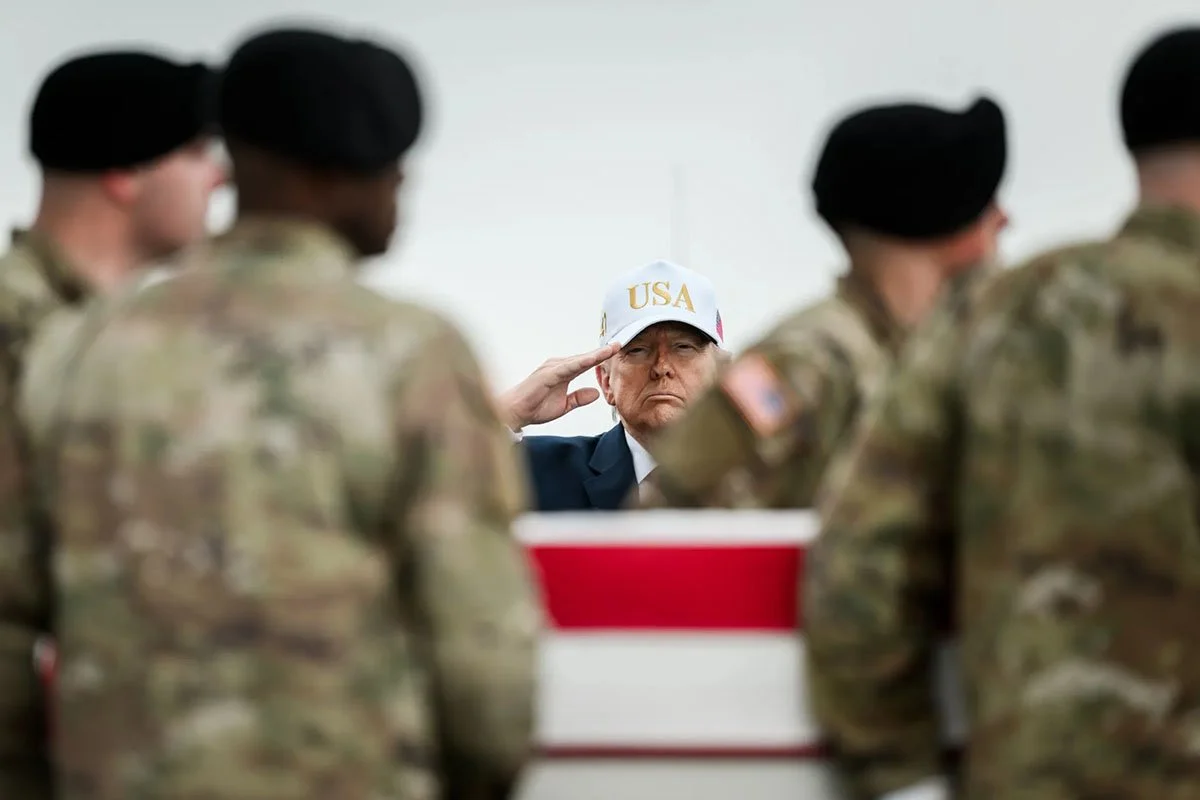
U.S. President Donald Trump, pictured at the repatriation of six U.S. soldiers who died in the U.S.-Iran war. / WHITE HOUSE PHOTO
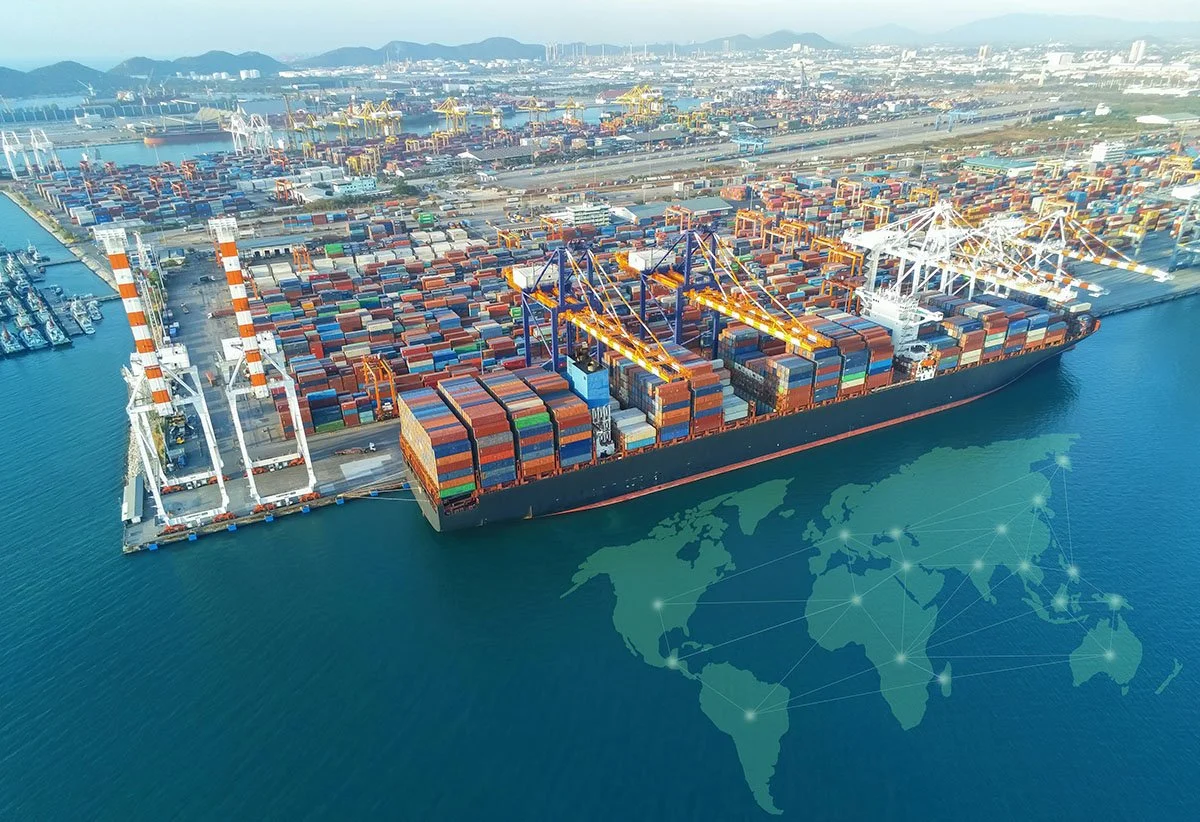
At the end of this week, some 800 ships were immobilized outside the crucial Strait of Hormuz as Tehran struck back against the U.S.-Israeli bombardments across Iran.
Using drone and rocket attacks on tankers transiting the Strait, the Iranian government has demonstrated the ability of one country, amazingly, to cut off much of the world’s oil supply and in turn threaten the entire global economy.
Iran’s ability to apply this choke hold, which U.S. President Donald Trump appears not to have seriously considered before okaying military action on Feb. 28, has rapidly upended predictions about the impact of the latest Middle East conflict.
Trump has talked about using the U.S. Navy to escort tankers through the Strait, which handles 20% of international oil shipments. But as of today, American warships had not tried to fulfill that role.
Analysts and multilateral organizations have rapidly begun to come to terms with the potential scope of the war’s damage to the world economy. They are taking into account not only the current blockade but also the assertion of Iran’s power, in the age of warfare based on relatively cheap drones, to exert control over Middle East oil resources dependent on access to the Strait.
In an issue devoted to the war, the Economist magazine said the impact of the conflict will do nothing less than permanently reshape fossil-fuel markets, leaving the world less prosperous, more volatile and harder to govern.
‘Nightmare’ scenario
Maurice Obstfeld, a former chief economist at the International Monetary Fund, said the long-feared situation in the region has come to pass. “For a long time, the nightmare scenario that deterred the U.S. from considering an attack on Iran, and which got them to urge restraint on Israel, was that the Iranians would close the Strait of Hormuz," he told the Associated Press. “Now we’re in the nightmare scenario."
The International Energy Agency concluded the fighting has caused the largest supply disruption in the history of the global oil market. Oil prices have surged to the $90-a-barrel range from $70-a-barrel last month.
And the impact is wide-reaching. “The war’s cascading economic fallout is now radiating well beyond the Gulf, changing global commodity markets, food systems, industrial supply chains, financial conditions and geopolitical alignments–potentially for years to come,” the World Economic Forum said in a commentary.
“This is not only a regional crisis. It is a structural shock to the world economy, delivered at a moment of geoeconomic fragility,” the WEF wrote. “The longer it runs, the more lasting the damage becomes. First it hits oil, gas, shipping and aviation; then inflation, industrial costs and food security; and eventually trade routes, investment decisions and political stability.”
Every 10% increase in oil prices, should they persist for most of the year, will drive up global inflation by 0.4% and damp worldwide economic output by as much as 0.2%, Kristalina Georgieva, managing director of the International Monetary Fund, commented.
And the negative impact is not being felt symmetrically. While energy-producing nations like Canada and Norway could benefit, countries that depend heavily on energy imports — including South Korea, Taiwan, Japan, India, China and many in the European Union — will be hit hard by higher crude prices.
Beyond crude, up to 30% of the world’s fertilizer shipments go through the Strait of Hormuz, and the resulting crunch on fertilizer prices will have profound effects.
Significant food shortages
“Any countries with significant agriculture sectors, including the U.S., are vulnerable," explained Obstfeld. “The effects are going to be most devastating in low-income countries where agricultural productivity may already be challenged. Add this extra cost component and you get the prospect of significant food shortages.”
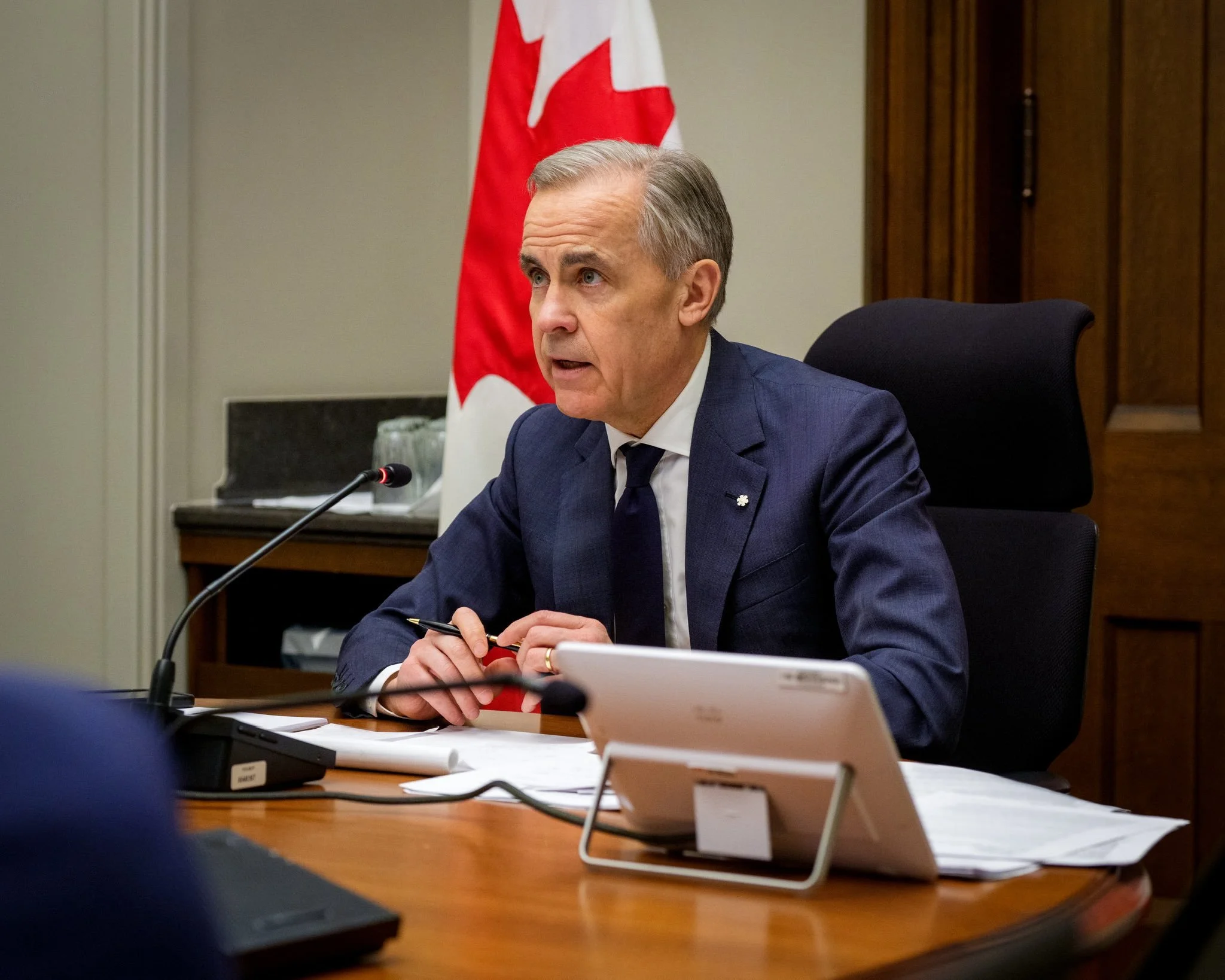
Speaking Thursday, Prime Minister Mark Carney said the longer the war goes on, the worse will be the impact on the global economy.
While Canada’s energy production picture is strong, Canadians can be hurt by the world economic slowdown, higher prices for fuel and fertilizer and a deteriorating financial situation, including stock market losses and higher interest rates, he said.
The International Energy Agency’s 32 member countries agreed to release 400 million barrels of oil to try to stabilize world supply, and the Trump administration was scouring its lawbooks to try to find ways to bring more crude into the U.S. on an emergency basis.
But experts around the world have said unequivocally that stop-gap measures, while temporarily helpful, will not stave off international economic damage if the war continues.