Recession averted, but weak domestic demand signals slowing economy ahead

ISTOCK PHOTO
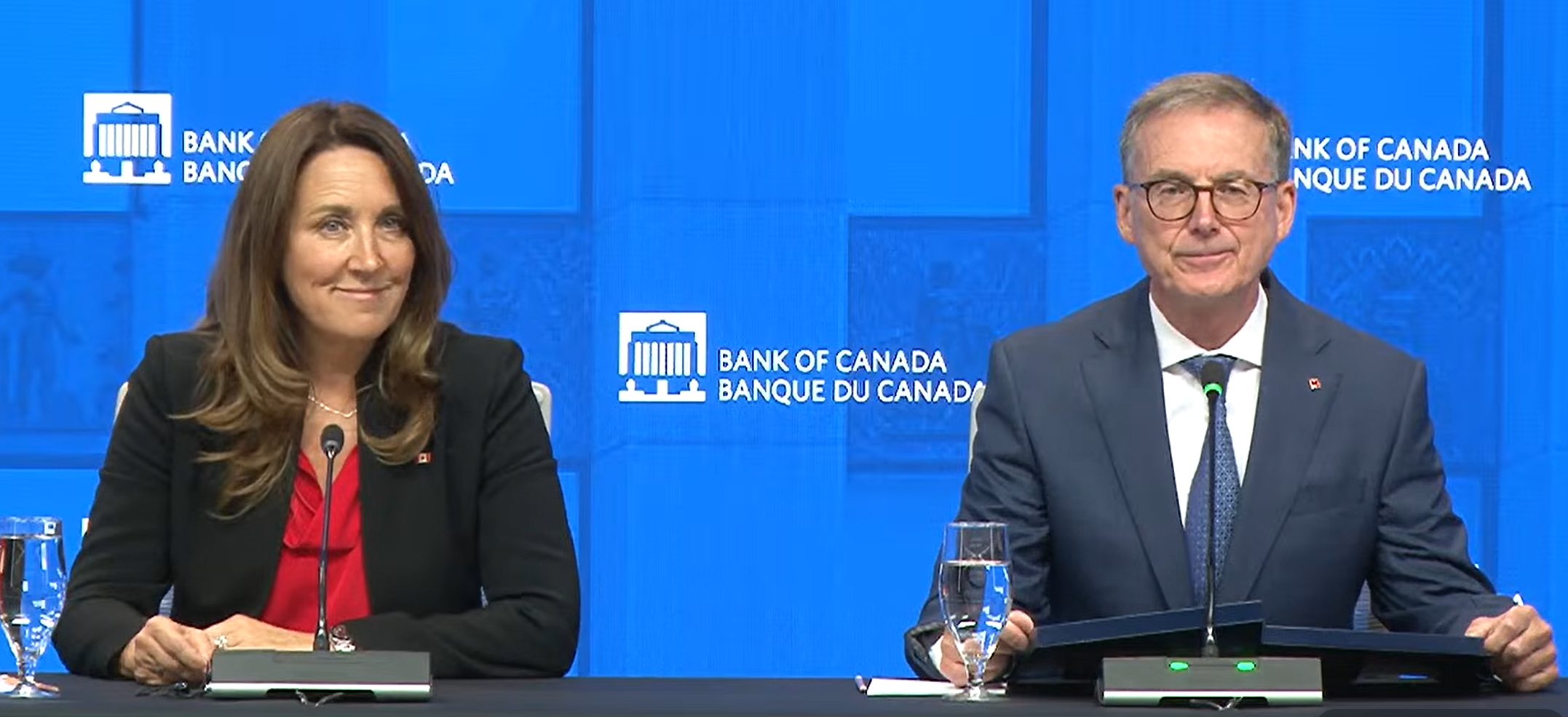
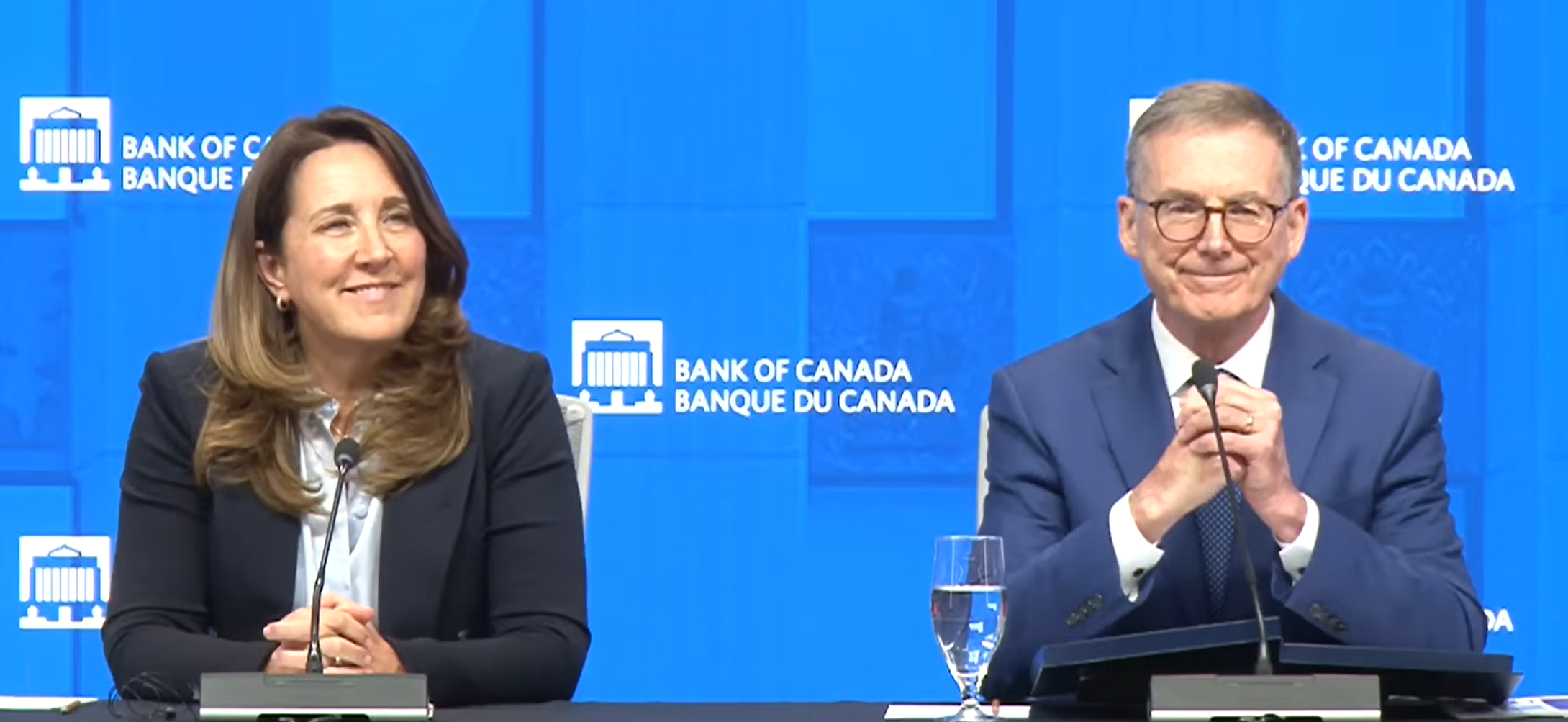
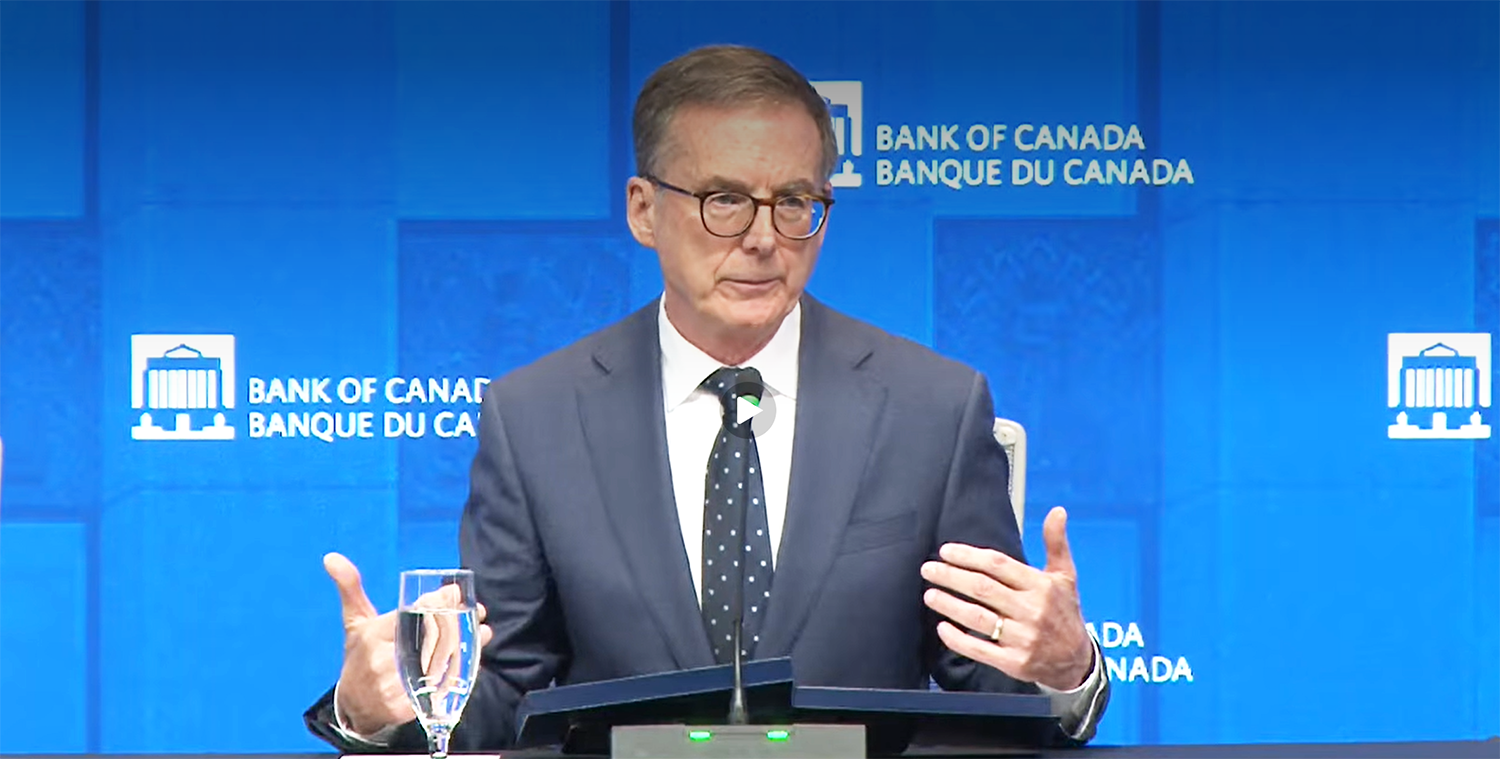
In the final interest rate-setting of the year, Bank of Canada Governor Tiff Macklem said Canada’s economy had proven resilient in the face of the U.S. trade attack and declined to lower the bank’s overnight rate to further boost business activity.
By resilient, Macklem meant that Canada had dodged a technical recession, which in this unique year is seen as an accomplishment even though GDP growth for 2025 is likely to come in at a tepid 1.7%.
“Governing Council sees the current policy rate (2.25%) at about the right level to keep inflation close to 2% while helping the economy through this period of structural adjustment,” the governor said.
This realignment of goals for the economy has taken shape over the last year as U.S. President Donald Trump systematically undermined the free-trade arrangements with Canada that have been the core of the modern Canadian economy for a half-century.
Over the months since Trump’s re-election, the threats of economic destruction at his hands north of the border have come and gone. But, while Ottawa has escaped a disaster in as much as damaging sectoral tariffs have been offset in the larger context by the survival of the Canada-U.S.-Mexico (CUSMA) trade deal, the impact has redefined Canada’s economic state of health.
In the Bank of Canada’s last Monetary Policy Report before Trump was re-elected, the bank predicted the economy, partly strengthened by growing exports, was expected to pick up gradually and average 2.25% growth over 2025 and 2026.
Today, the central bank says it is slightly encouraged by the unexpected 2.6% growth on an annualized basis recorded in the third quarter, which allowed Canada to avoid the recession that many had forecast as Trump’s tariffs took effect earlier in the year.
Leaving aside the uncertainty of Statistics Canada’s third quarter data because of the U.S. government shutdown, the increase in GDP was largely traceable to a recovery in net trade—not from growing exports—but from the steepest drop in imports since 2022.
‘Real-life’ economy has barely budged
In addition, StatsCan reported weaker domestic demand, soft business investment and a likely slowing of the economy to minus 0.3% in October.
Macklem was also encouraged by the unexpectedly good jobs numbers in November, which saw the unemployment rate fall to 6.5% from 6.9% a month earlier. But that statistic was buoyed by a large increase in part-time jobs and a decline in population growth.
As economists have noted, despite the upbeat headline numbers, the real-life economy experienced by Canadians has hardly budged above recessionary conditions.
The federal government’s commitment of $116-billion for infrastructure projects will help drive economic growth, but these projects are mostly years in the future. In the meantime, much depends on whether Prime Minister Mark Carney’s budgetary incentives meant to prompt a wave of new business investment actually have the desired effect.
Otherwise, Canada’s potential GDP growth rate will remain limited as U.S. tariffs continue to eliminate jobs and manufacturing capacity.
The International Monetary Fund, which last year had predicted great things for this country in 2025, said Canada’s economy performed better than expected this year in the midst of the trade war. But uncertainty remains the main theme going forward, the IMF said.