One year in and we are living in Mark Carney’s world
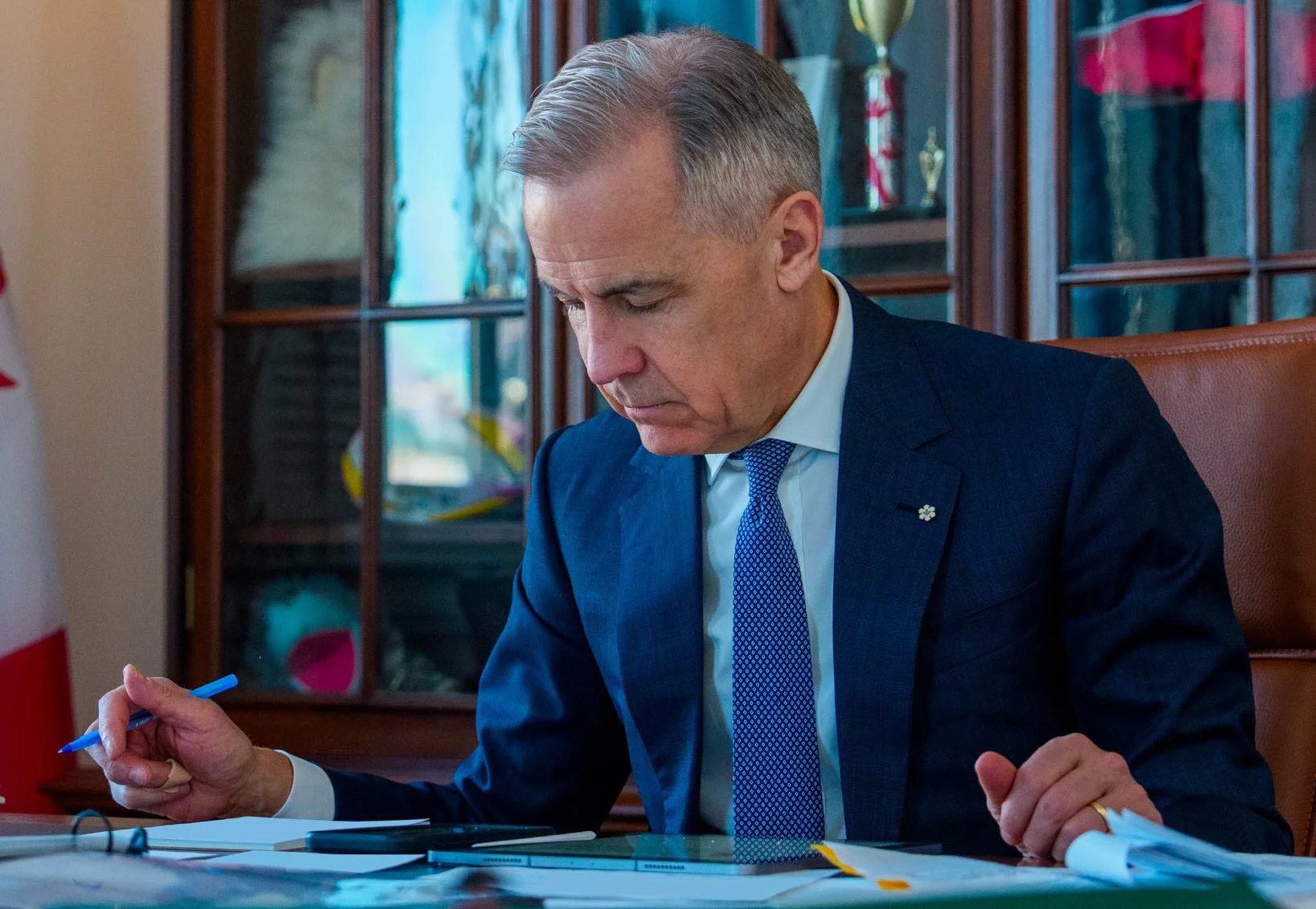
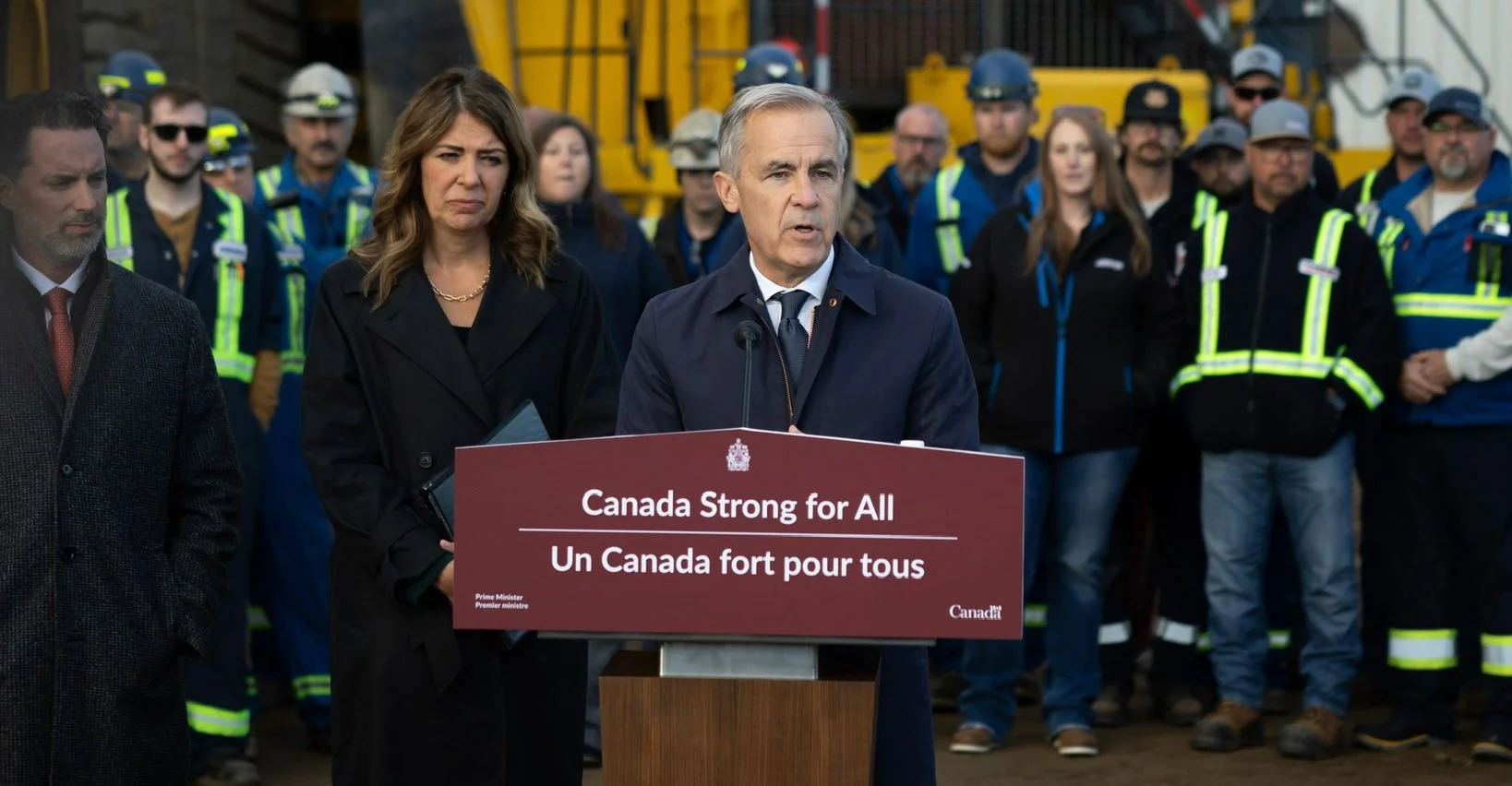
Prime Minister Mark Carney was elected Liberal Party leader on March 9, 2025. / TWITTER PHOTO
Mark Carney's domination of Canadian federal politics has been so comprehensive that it seems inconceivable to remember that he has been a politician for just over a year.
As we close in on his first full year as Prime Minister, Carney is executing his agenda and wielding the various instruments of federal power as though he were a virtuoso symphony conductor.
Jean Chrétien had been a lifelong Liberal and had held virtually every senior ministerial post in government before he became prime minister, allowing him to transition effortlessly from opposition leader to the top job. Stephen Harper had no experience in government when he became prime minister, but he was steeped in conservative partisanship and is a deep strategic and policy thinker. This mindset helped him succeed in the highest office.
Yet neither of these certified political winners had to face the volume and velocity of the simultaneous challenges Carney faces. From the end of the post-Second World War rules-based international economic and political order, to the fracturing of Canada's preponderant commercial relationship with the United States, to the still politically potent domestic affordability crisis, to the fact that he faces a minority Parliament, Carney has moved with sureness, even insouciance; seemingly unconcerned with criticism from any quarter.
He has brought a seasoned private-sector mindset to economic challenges, focused squarely on results. And he has not hesitated to reach beyond caucus, the cabinet and the federal public service to find leaders he thinks will deliver on the highest-priority files. Having experience outside the Ottawa bubble seems to be a common thread in his choices.
An inner circle of outsiders
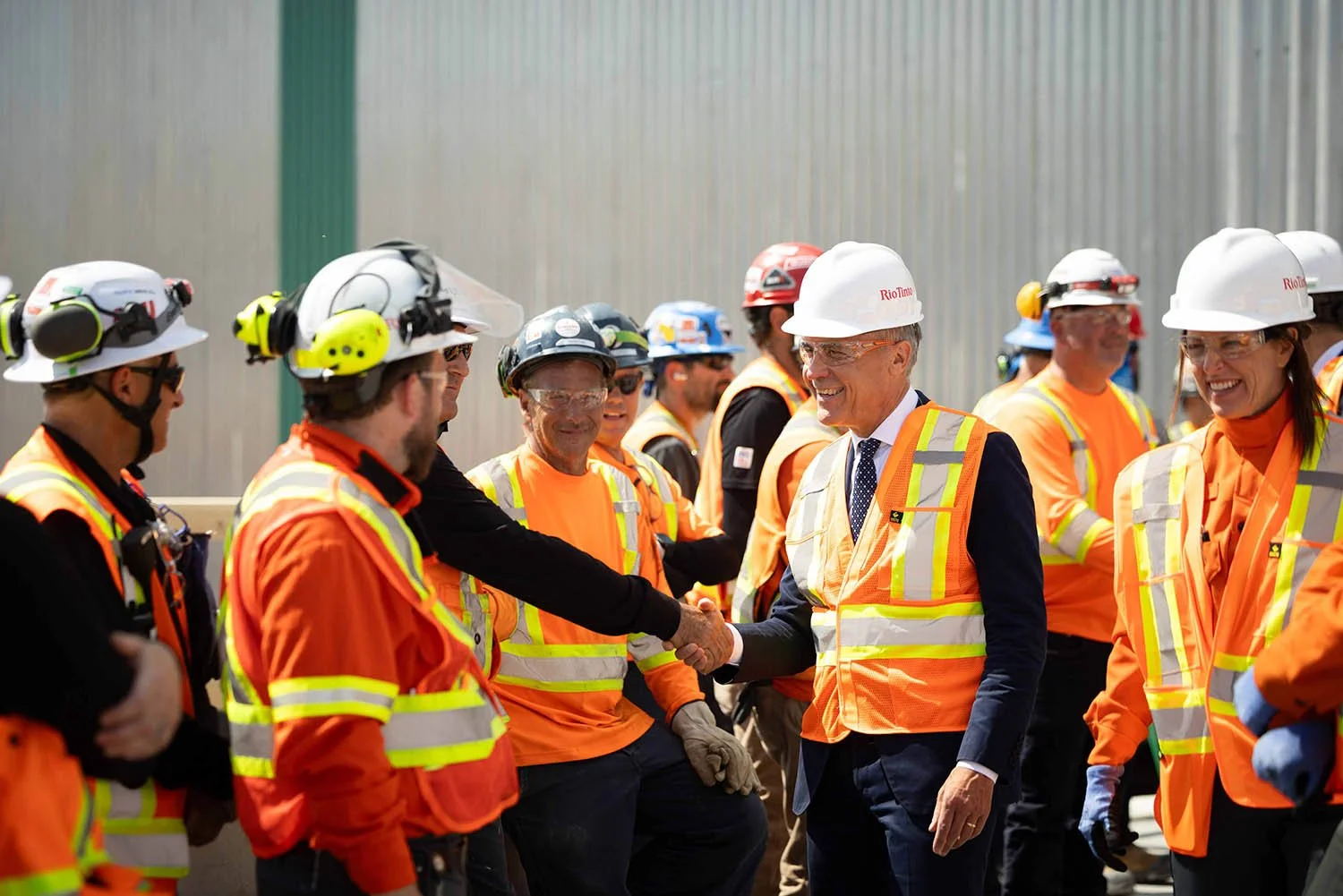
As a veteran of global investment banking, Carney chose Tim Hodgson, a former CEO of Goldman Sachs Canada — one of the few “star” candidates that Carney recruited for the last election — to be minister of the all-important natural resources portfolio. The new Canadian Ambassador in Washington, Mark Wiseman, is another investment banker. Former Trans Mountain CEO Dawn Farrell was slotted in as head of the Major Projects Office, a key driver in Carney's ambition to unclog the sclerotic federal approval processes for big nation-building projects like pipelines, nuclear reactors, LNG terminals and mines.
The Carney agenda on affordability is driven by the housing crisis. He tapped two recruits from municipal politics, former Vancouver Mayor Gregor Robertson and former Toronto Deputy Mayor Ana Bailão, as Minister of Housing and Infrastructure and CEO of Build Canada Homes, respectively. They have deep experience in navigating the thicket of municipal politics, which is at the heart of so many of Canada's housing challenges.
And just this week, the Prime Minister unveiled a new Defence Industrial Strategy that aims to promote domestic manufacturing growth and innovation by disconnecting Canada's defence procurement from its accustomed reliance on American production networks. And mindful of the dismal record of the existing defence procurement processes, he has brought in (you guessed it!) another investment banker, Doug Guzman, former deputy chair of the Royal Bank of Canada, as the CEO of the new Defence Investment Agency.
Taming the public service
Where the Prime Minister has placed senior public servants in his government’s inner circle, they are of the “former” kind: his Privy Council Clerk Michael Sabia, and the newly appointed Chief Trade Negotiator, Janice Charette, a former two-time Privy Council Clerk herself. They both have a deep understanding of how the public service machinery works, and doesn’t. Sabia began an overhaul of its deputy minister structure in late December. The next tranche of changes is expected any day now. And word on the street is that an influx of more big private sector names is imminent.
As to rank-and-file civil servants, the Prime Minister has launched a generous early retirement package as well as a gigantic cage fight for jobs in the core departments, with 24,000 public servants having been informed since December that their jobs may be at risk in Carney’s drive to cut the core public service by 28,000 over three years. For those who either won’t or can't head for the exits voluntarily, the rest will be focused on upping their performance to keep their jobs as the “workforce adjustment” process grinds on.
Davos and ‘Carney-nomics’
On top of all this, the Prime Minister's recent, and now globally famous, Davos World Economic Forum speech laid out a theory of what we might call “Carney-nomics,” more or less free of overt ideology (though Marxists might disagree), emphasizing pragmatism, technical competence, sound management and doing business with both traditional allies and former rivals where it squares with our values and even where it doesn’t. All in a drive to “actively take on the world as it is, not wait for a world we wish to be.”
Not since the External Affairs Minister Lester Pearson's 1951 Cold War address mapping out the role Canada could play in a bipolar world has a speech by a Canadian politician reverberated so loudly among the halls of foreign governments or among the global chattering classes. Lesser mortals, like me, were left to wonder at a prime ministerial speech that quoted both Thucydides and Vaclav Havel.
Which brings us back to Carney's cold-blooded execution of political tactics. He came within a few seats of the majority that seemed momentarily within reach during last April’s election. No problem. Slowly, carefully, he has crept within reach of a majority by poaching three members (so far) of the Conservative caucus; the three apparently seeing in Carney's style and agenda what Canadians may have wanted most in the last election: a conservative government, but without Pierre Poilievre as its leader. With three by-elections in the offing, two in safe Liberal seats, it seems that a Carney majority is all but secured.
As the first anniversary of his election approaches, then, these are salad days for Prime Minister Carney. More poetically: “He is the monarch of all he surveys.” In politics, of course, all glory is fleeting.
But for now, Canadians are living in Carney's world. He seems to have been built for this moment. It is for the rest of us to hope that Carney-nomics delivers the goods.