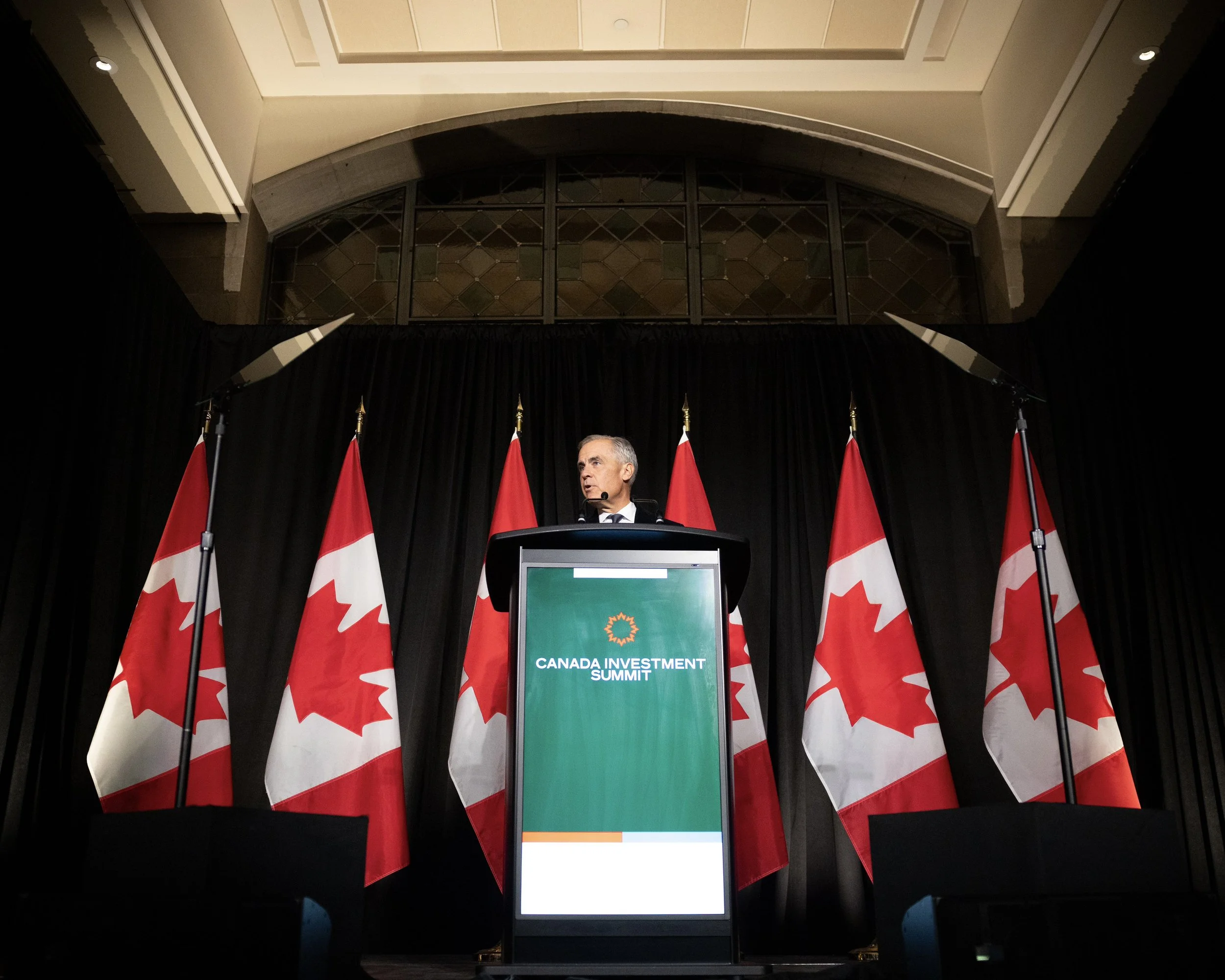
Global ‘rupture’ is Canada’s moment, investors say
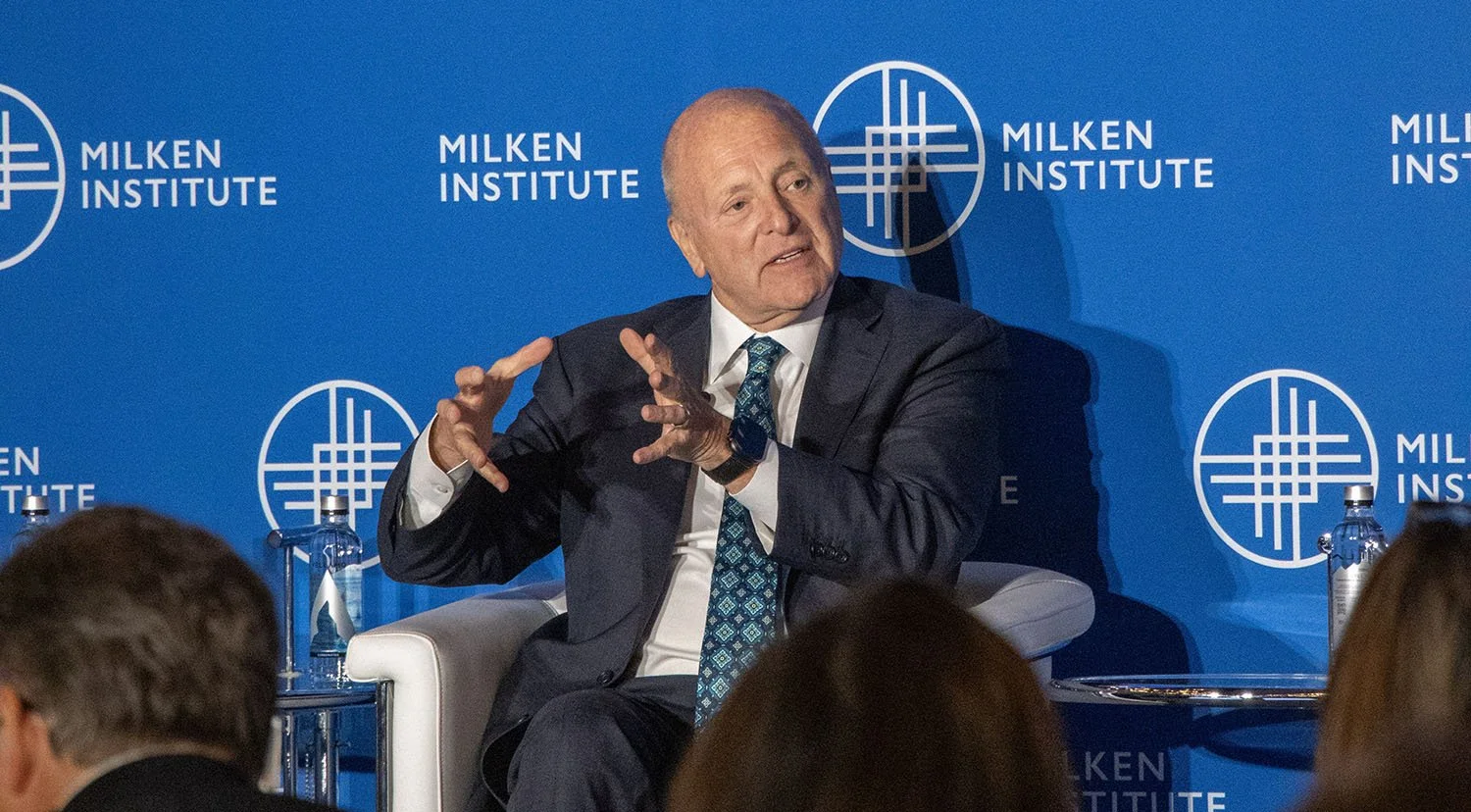
‘It is a fabulous moment for Canada,’ says Power Sustainable CEO Bruce Heyman. / MEANS & WAYS PHOTO
TORONTO–Canada is positioned to benefit from a period of global upheaval spanning trade, technology and climate policy, says former U.S. ambassador to Canada Bruce Heyman.
"Rupture is taking place technologically, geopolitically, and I believe rupture is taking place in climate," Heyman, now CEO of Power Sustainable, said at Global Dialogues Toronto, hosted by the Milken Institute on the sidelines of the federal government's Canada Investment Summit.
Ahead of the event, Power Sustainable announced plans to invest and mobilize more than $10 billion in Canadian infrastructure, clean energy, industrials and agri-food over the next five years.
Heyman said international investors have long treated Canada as an extension of the U.S. but that is shifting — even a modest increase in dedicated Canadian allocation from global investors could mean hundreds of billions of dollars in new investment. “It is a fabulous moment for Canada,” he said.
Other panelists including Franklin Templeton CEO Jenny Johnson and AGF Chief Investment Officer John Porter argued Canada’s biggest obstacle isn’t a lack of talent or resources but regulation slowing returns. "Canada has so many tailwinds, we've got to get rid of the headwinds,” Johnson said. "Capital goes where it's treated well," she said, and international investors ultimately measure a market by results.
Johnson, whose firm manages $1.8 trillion in assets and holds about $40 billion in Canadian investments, said Canada was an early leader in artificial intelligence research, backed by strong universities and government support, but has yet to turn that into productivity gains — a gap she attributed to regulatory drag rather than a shortage of talent or resources. Porter, whose firm oversees roughly $75 billion, agreed, saying Canada needs a more business-friendly regulatory environment to stop capital and talent from continuing to flow south to the U.S.
Heyman said the rupture in the Canada-U.S. relationship is itself an opportunity for trade diversification. "We're never going back to where we were," he said, though he added the U.S. will remain Canada's most important economic relationship for the foreseeable future. Canada, he said, should pursue an "all of the above" strategy — preserving ties with the U.S. while building new markets and strengthening domestic infrastructure.