Despite everything, Canada works
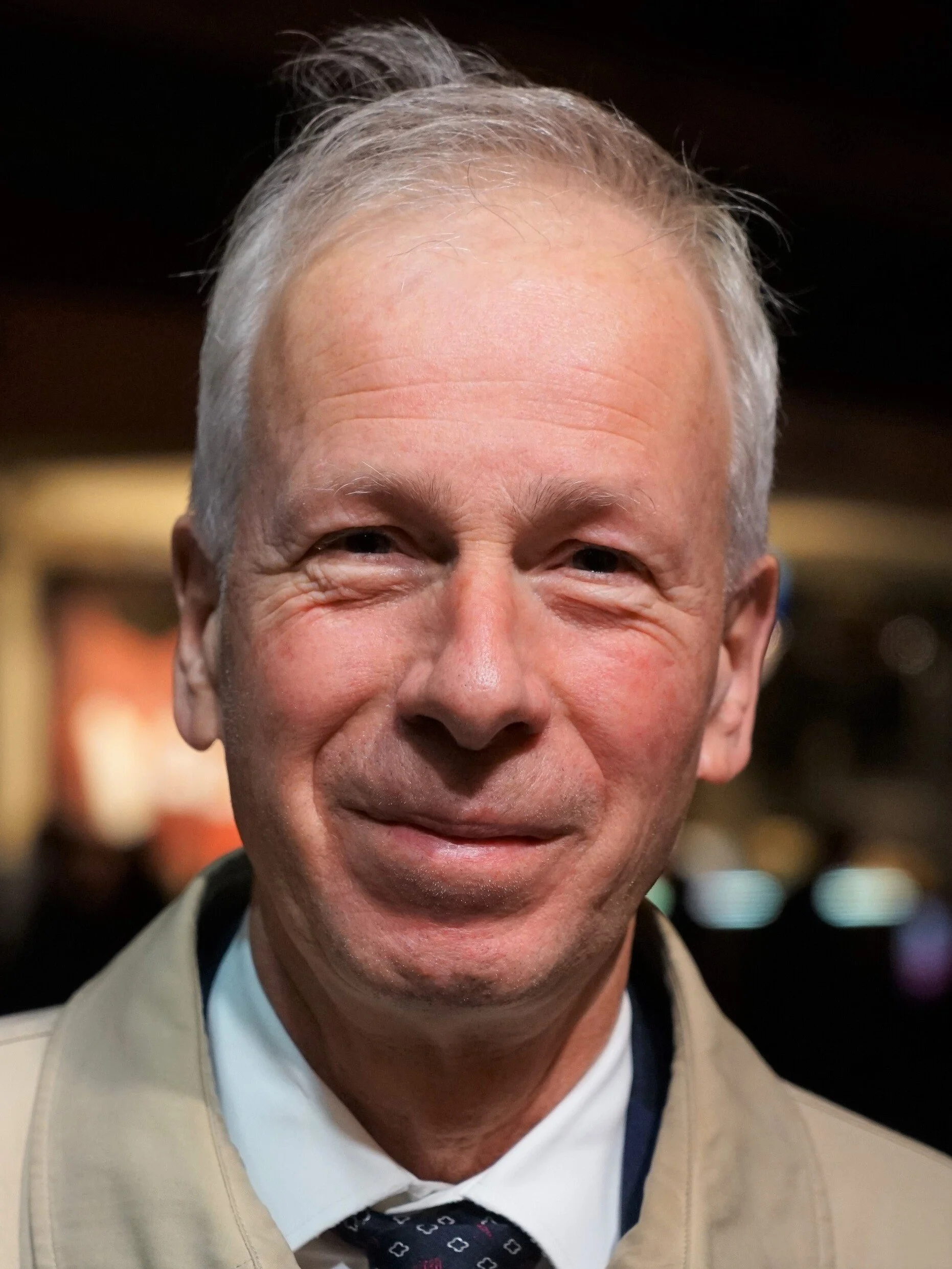
Former Liberal leader Stéphane Dion.
Former Liberal Leader — and Jean Chrétien-era constitutional point man — Stéphane Dion once said that “Canada is a country that works better in practice than theory.”
While this seemingly flippant comment may outrage those in Alberta and Quebec who genuinely want out of Canada, it is important to remember that Dion has never done “flippant.” An ironic sense of humour has never been notable among his many other strengths.
He came to this perspective after almost a decade working at the very coalface of Canada's constitutional debates. True, his specialty was in addressing and, where needed, rebutting, often with book-length open letters, the complaints of Quebec sovereignists. But one cannot help but think that it also applies to what we are about to hear from Alberta separatists as we begin a summer-long ramp-up to the October provincial referendum there.
Only in Canada you say
By any standard, Canada is a phenomenal success. We have built one of the richest countries in the world, with an economy that ranks 9th or 10th in GDP, depending on the index you use.
Geographic good fortune has placed us next door to the richest and most dynamic nations in human history. In the lottery of nations, this may, indeed, be the equivalent of being “born on third base,” to borrow a baseball analogy. However, we have made the most of our proximity to the U.S. colossus in distinctive ways.
Not only have we built an enviable standard of living, but we have deployed our national wealth to forge national programs that give real-world expression to a bedrock Canadian desire to share prosperity, such as universal Medicare, sound seniors' pensions, child care benefits and equalization. Year in, year out, we are ranked among the top countries for quality of life. By and large, our schools are good and our streets and communities are safe.
Perhaps the gold standard metric for Canada's success as a nation is that we have remained, for a century, among the most sought-after destinations for immigrants.
And yet…
Notwithstanding all of this, our domestic politics have and continue to be stirred by the politics of grievance, specifically by the belief that a significant number of Quebecers and Albertans have no alternative but to get out.
Of course conflict is the essence of democracy and of democratic federalism. The sheer physical vastness of Canada has not surprisingly fostered distinctive regional identities and agendas that at one time or another will be in contention. But for first Quebec and then Alberta nationalists, this contention has metastasized into a drive to break up the country.
Most nationalist movements emerge from a sense of historic disrespect.
For Quebecers, the issue has been the protection of its unique French language and culture. As an island of French in a continental ocean of English-speakers it is not at all incomprehensible that many Quebecers would conclude that they would be better able to protect their cultural distinctiveness as an independent state.
For Albertans it has been a burning sense that national institutions and programs do not give the province a voice in national affairs commensurate with the economic value of its energy resources to our prosperity. Here, too, the action of successive federal governments have been seen by many Albertans as complacent and disrespectful.
Elected in large part by central Canadians, federal governments have adopted policies that treat Alberta as a cash cow. Liberal governments have been seen as the chief wrongdoers, from the confiscatory, ill-judged National Energy Program of Trudeau I in the 1980s, to the seeming clean energy obsession of Trudeau II, at the expense of Alberta’s fossil fuel wealth after 2015.
In the orthodoxy of Alberta separatism, the rise of Preston Manning’s populist Reform Party in the 1990s, was the first real manifestation of a desire to rebalance Canadian federalism through, among other things, reforming the Senate. Indeed, Reform’s slogan during its 1993 breakthrough election was: “The West Wants In.”
Most gallingly for Alberta separatists, the rise of Reform was the legacy of the failed Conservative government of Prime Minister Brian Mulroney, whose election in 1984 was seen by Albertans as curative to the evils of Trudeau I. Instead, they got a Prime Minister whose primary fixation seemed to be on Quebec, exemplified by the failed Meech Lake Accord which gave them nothing on Senate reform.
After the Meech Lake disaster, Chrétien famously swore off any discussion of the constitution, saying: “Canadians tell me, ‘Jean, if you promise not to talk about the constitution, you will die Prime Minister.’” So Alberta’s agenda was on the back burner yet again.
Thirteen years later, a new Conservative government led by prime minister Stephen Harper — an Albertan no less — held office for a decade, but it, too, gave up on Senate reform.
Then came the 2025 election, in which Albertans, once again, savoured deliverance from a hated Trudeau. The rest, as they say, is lamentable and bitter history for Alberta separatists.
Canada just works
The Alberta separation referendum represents a not illogical decision by Alberta nationalists to give up on the existing Canadian political system. Neither Liberal nor Conservative governments have delivered the goods. While Mark Carney's come-from-behind win over Conservative Leader Pierre Poilievre merely rubbed salt in long-festering wounds, providing concrete evidence that central Canadians will grab onto any alternative to electing another Conservative populist.
There must now be a feeling of grim irony among Alberta separatists that it is a Liberal government, led by at least a nominal Albertan, that may actually deliver at least the economic goods, if not the political ones. The Liberal agenda has been flipped, with Trudeau II’s clean energy focus now the seeming afterthought.
Carney’s agenda is defined by a full court anti-regulatory press to unlock Canada’s latent potential as an “energy superpower.” Not only do we have one oil pipeline in prospect through British Columbia, the announcement last month by Ontario Premier Doug Ford and Alberta Premier Danielle Smith of a made-all-in-Canada pipeline corridor means we now have two on the go.
Nothing more captures the bewildering turn of events in Alberta than this bitter comment from Greenpeace Canada’s Keith Stewart in response to the Ontario-Alberta announcement: “Why don’t we cut out the middleman and just have Canadians send their tax dollars directly to ExxonMobil?”
The fact that it’s now raining pipelines will no doubt bring some comfort to both Carney and Smith heading into the referendum.
I prefer to think that this sudden volte face in the federal economic agenda affirms Dion’s aphorism that as a nation, Canada works better in practice than theory.
We continue to defy the gravity of the United States, to generate and share prosperity, and to transcend existential grievances because Canada just works. We may not have a persuasive theory or explanation. Our parliamentary institutions at times seem to divide us more than unite us. Our constitutional debate seems to descend into political mud fights.
But then who needs one when you know you must be doing something right.