Carney-Moe visit to China provides template for how to build momentum, Fallon says
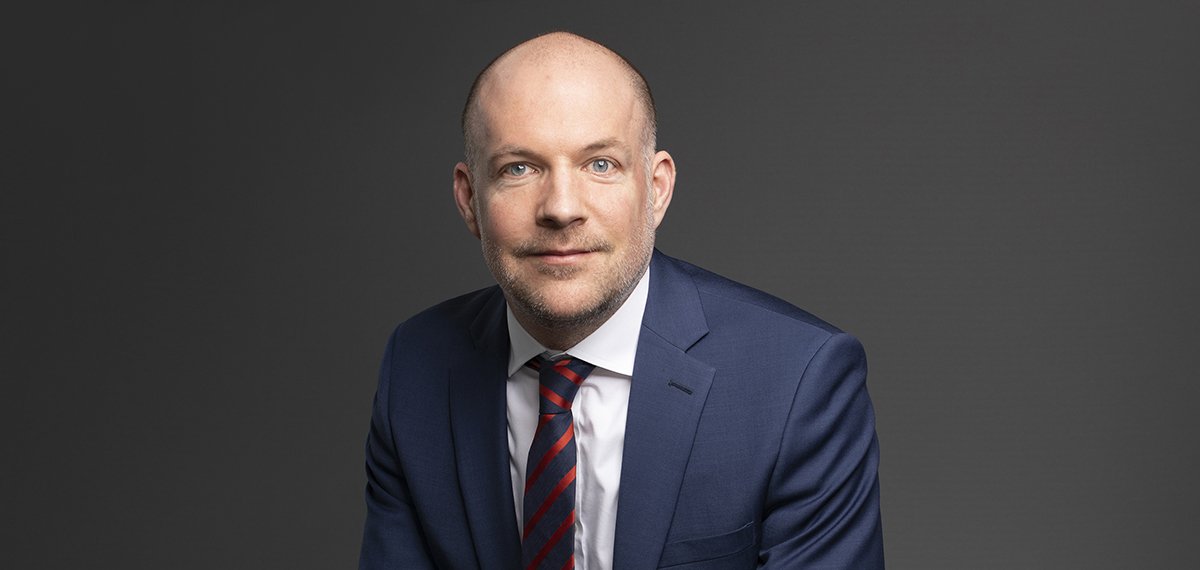
‘When governments work together to advance national projects, it creates confidence and momentum,’ says Western Canada Economic Forum founder Alex Fallon. / SUBMITTED PHOTO
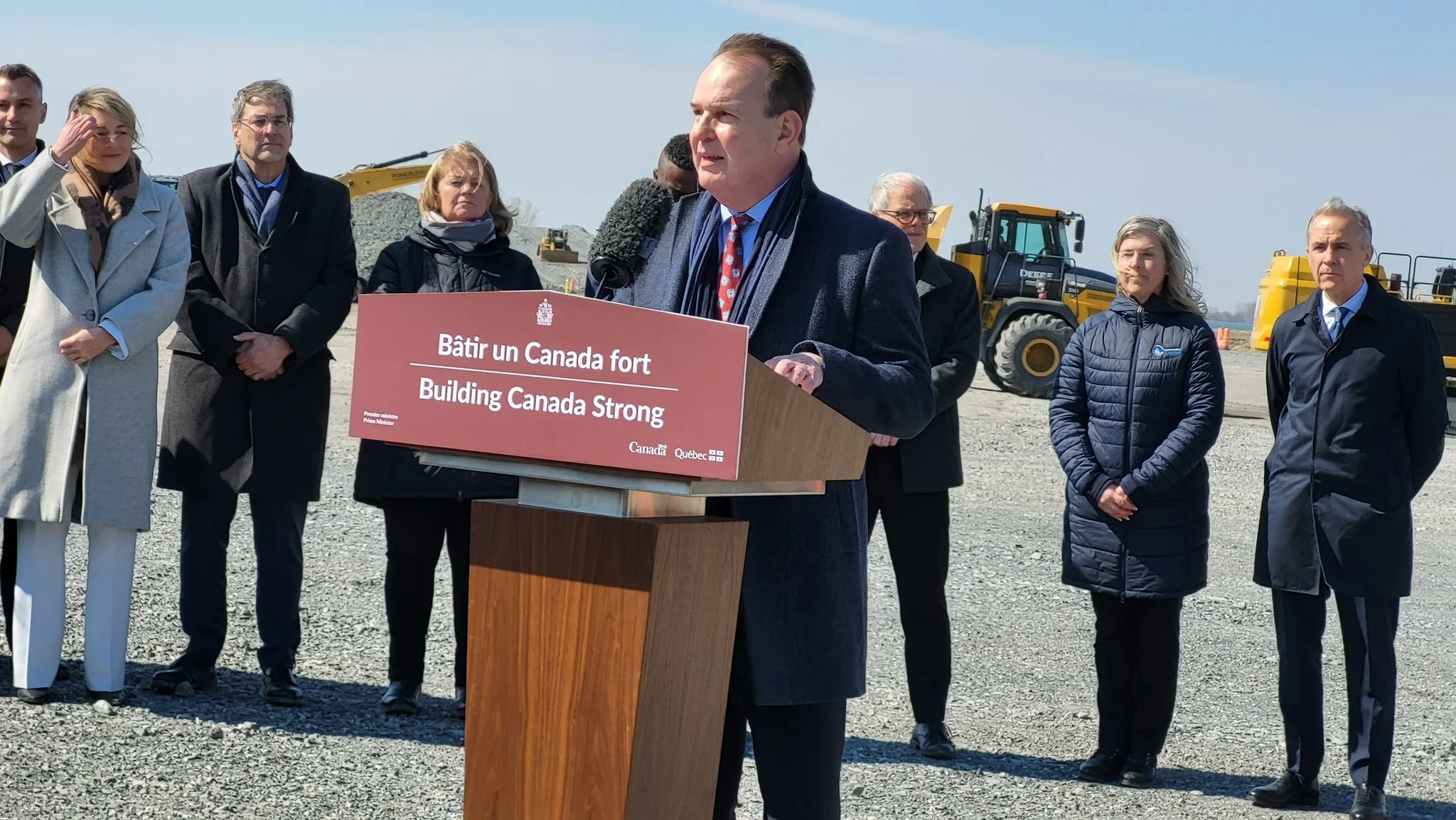
This week’s visit to China by Prime Minister Mark Carney and Saskatchewan Premier Scott Moe is a “good example” of how political leaders at different levels of government can work together to advance the country’s goal of building export capacity and diversifying trade relationships, says Alex Fallon.
“When governments work together to advance national projects, it creates confidence and momentum,” Fallon, founder and chair of the Western Canada Economic Forum, told Means & Ways. “Making Canada more competitive for domestic and foreign investment will support growth — and that’s the end goal.”
Western Canada produces some of the world’s most valuable resources—oil, natural gas, wheat, potash, uranium, metallurgical coal—but getting them to more people in more markets around the world is a key challenge governments need to address, he said.
While there’s “no single fix,” Fallon believes alignment among federal and provincial governments is needed to build the necessary trade, transportation and export infrastructure, “especially at a time when global affairs and supply chains are shifting so quickly.”
The Prime Minister’s recent mission to China alongside Premier Scott Moe is a good example of this joint effort,” he said.
The WCEF is holding its third annual forum Jan. 22-23 in Winnipeg, Man. It brings together business leaders, industry experts and government officials from across Western Canada to discuss the opportunities and challenges shaping the region’s economic growth.
“One of our main goals is to strengthen collaboration across provinces,” Fallon said. “Western Canada’s biggest opportunities, whether interprovincial trade, export corridors, infrastructure or business growth, depend on governments and industry working together. We also want to help business leaders better understand the geopolitical forces affecting Western Canada’s key economic sectors and how they can navigate these in the year ahead.”
Fallon is a former CEO of the Saskatoon Regional Economic Development Authority and previously worked with Peepeekisis Cree Nation and most recently Birch Narrows Dene Nation Development Inc. as CEO. He also founded Artificial Intelligence Saskatchewan, a non-profit organization created to champion the growth of the artificial intelligence sector in the province.
He spoke to M&W ahead of the WCEF forum about the opportunities and challenges for Western Canada’s economy.
M&W: Why did you decide to hold WCEF in Winnipeg this year?
AF: WCEF is designed to be a truly Western forum, which is why we rotate host cities across the region. With Manitoba’s renewed focus on economic development and its role as a major trade and transportation hub, Winnipeg was a natural choice this year. It reflects both where the West is growing and how it connects to the rest of Canada and global markets.
M&W: What are some of the biggest opportunities for Western Canada's economy at the moment?
AF: There are many! One of the most exciting opportunities is what I call “tech-modity” — using technology, innovation and artificial intelligence to drive efficiencies in sectors like energy, mining and agriculture.
There is also enormous potential in Canada’s natural resource sector if we remove barriers that slow investment and development. As a Saskatchewanian, food, fuel and fertilizer still represent a massive opportunity to support growth and jobs not only in the West but across Canada.
M&W: What is the impact of current geopolitical and trade shifts to Western Canada's economy?
AF: As my favourite economics professor used to say, “uncertainty creates uncertainty,” and this can slow investment and growth. But the economy is never static. One of the strengths of the Western economy is that it’s dynamic and always adjusting to demand or global events. What matters most is not whether conditions are easy or difficult, but how effectively businesses and governments respond to change.
M&W: What is your message to the government of Canada in terms of navigating these impacts?
AF: What we keep hearing from across the region is the importance of stability, competitiveness and market access for long-term growth. That is exactly why WCEF exists — we wanted to create a space where these issues can be explored in a practical way, with voices from government, industry and economic experts all in the same room.
M&W: What about rising Western alienation? How is it impacting the economy?
AF: This is something we’re examining closely, and we’ll be seeing the latest research from the Institute for Research on Public Policy and Ipsos on this very topic at WCEF. What we do know is collaboration is always stronger than division, and when Western Canada works together, it’s better positioned to influence national policy and drive economic success.
M&W: What are you hearing from Western Canadian business leaders regarding productivity and growth?
AF: This is a hot topic. There’s no doubt there is a productivity challenge in Canada compared to other countries. Canada is lagging in productivity growth and that’s impacting our overall economic performance.
Technology can help this, but it’s not the only solution. Education, training, business leadership, innovation and labour market policies are all tools to try and move the needle. What’s for certain is that if we don’t address this issue, our economy will be stifled.
M&W: What is keeping you up at night?
AF: I tend to be optimistic. For me, growth comes from being willing to take risks and move forward (fortune favours the brave!), not from standing still. There’s an old saying: “A ship in harbour is safe, but that’s not what ships are built for.” The Western, and Canadian economy, is one of the biggest, boldest and bravest ships out there.