Canada-UK partnership vital for addressing shared vulnerabilities: Dawes

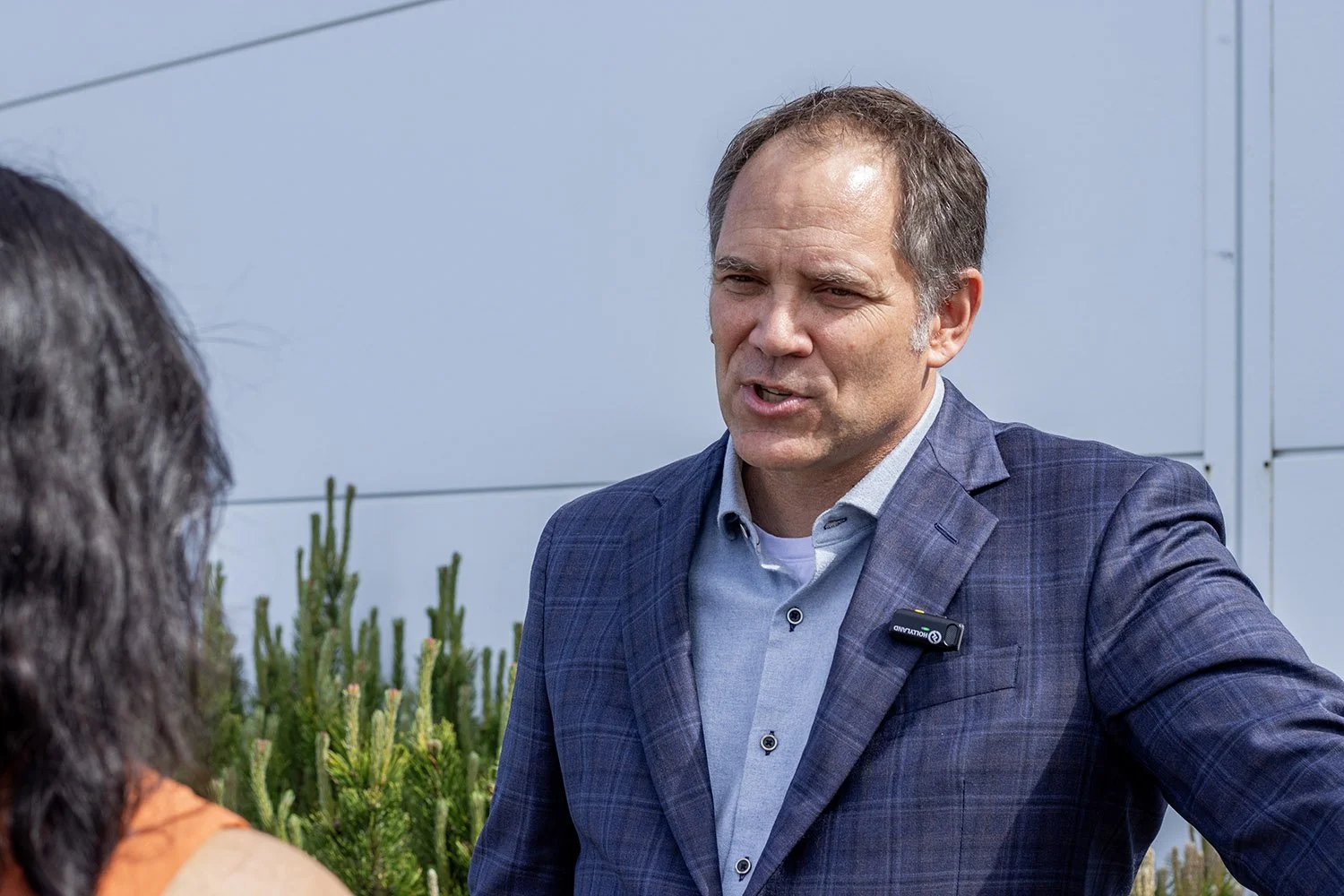
‘We can't look at just advancing our own technology as a single country anymore. We have to look to our partners, like Canada, and try to develop shared capabilities,’ says Alan Dawes, Director Consulting Expert for Space, Defence and Intelligence at CGI UK. / MEANS & WAYS PHOTO
As cyber threats grow more sophisticated and geopolitical tensions reshape the global security landscape, the partnership between allied nations has never been more critical. With deep expertise at the intersection of technology and national security, Alan Dawes, Director Consulting Expert for Space, Defence and Intelligence at CGI UK, spoke to Means & Ways at CANSEC about how Canada and the UK can deepen their collaboration to meet the challenges of an increasingly complex threat environment. From securing critical digital infrastructure to harnessing AI responsibly, Dawes makes the case that in an era of shared vulnerabilities, shared solutions aren't just an option; they're a necessity.
MW: As global threats become increasingly interconnected from cyber attacks to geopolitical conflict, what do you see as the biggest challenge facing allied security today?
AD: The two key ones are speed and complexity. We are seeing cyber actors, nation states, not observing national norms or national boundaries. We rely heavily on our data, and the fact that we can trust our data through our secure communication networks, which we then share with our allies and Five Eyes countries. And what we're seeing is that the threat is increasing evermore, and that it's becoming much more complex, especially when countries like the UK and Canada need to work together and interoperate with each other. So, you know, it opens up a much bigger attack surface, let's say, for those threat actors to go at.
MW: Given those challenges that you just mentioned, and global security in general, how do you think Canada and the UK can work together to lead on the solutions?
AD: Canada and the UK have a very long history. We're natural partners. We have shared values, shared democratic views as well, so, you know, we're a good partnership to have. We are both sharing the same problems in cyberspace, and we can learn from each other of those problems and how to solve them, and also maybe how we might be able to develop capabilities together. Because you know some of these capabilities are very expensive, and perhaps you could seed fund it from both countries to get after those problems as they come down the line.
MW: At the December 2025 G7 industry digital and technology ministers meeting, Canada and the UK signed an MOU on cooperation in the field of digital government and the digital economy. Where do you see the greatest opportunity for Canada and the UK to work together to strengthen critical digital infrastructure and cyber security resilience?
AD: That's a big question. Digital government, digital defence, relies upon data, and data is becoming even more critical in terms of understanding where your data has been and trusting that data, because invariably you then make decisions based on that data. So, there is the sort of digital backbone, which underpins everything within governments nowadays, and also citizens need to look at their digital governments and actually trust that the privacy and the data that they're putting into the system is actually being looked after as well. So there's a sort of mutual contract between the government and the citizens of that country. Where specifically Canada and the UK can collaborate more on this specific area is around that cyber resilience of that digital ecosystem. And maybe we could be thought leaders around AI, and how could we use AI in a safe, regulated way, whilst ensuring that the decision makers are getting the best value from AI, but also in a safe way as well.
MW: What's keeping you up at night these days?
AD: The threats. The threat complexities, the speed in which technology is changing and those threats are changing as well. We can't look at just advancing our own technology as a single country anymore. We have to look to our partners, like Canada, and try to develop shared capabilities to get after, or to protect ourselves against those threats, which are ever-changing.