
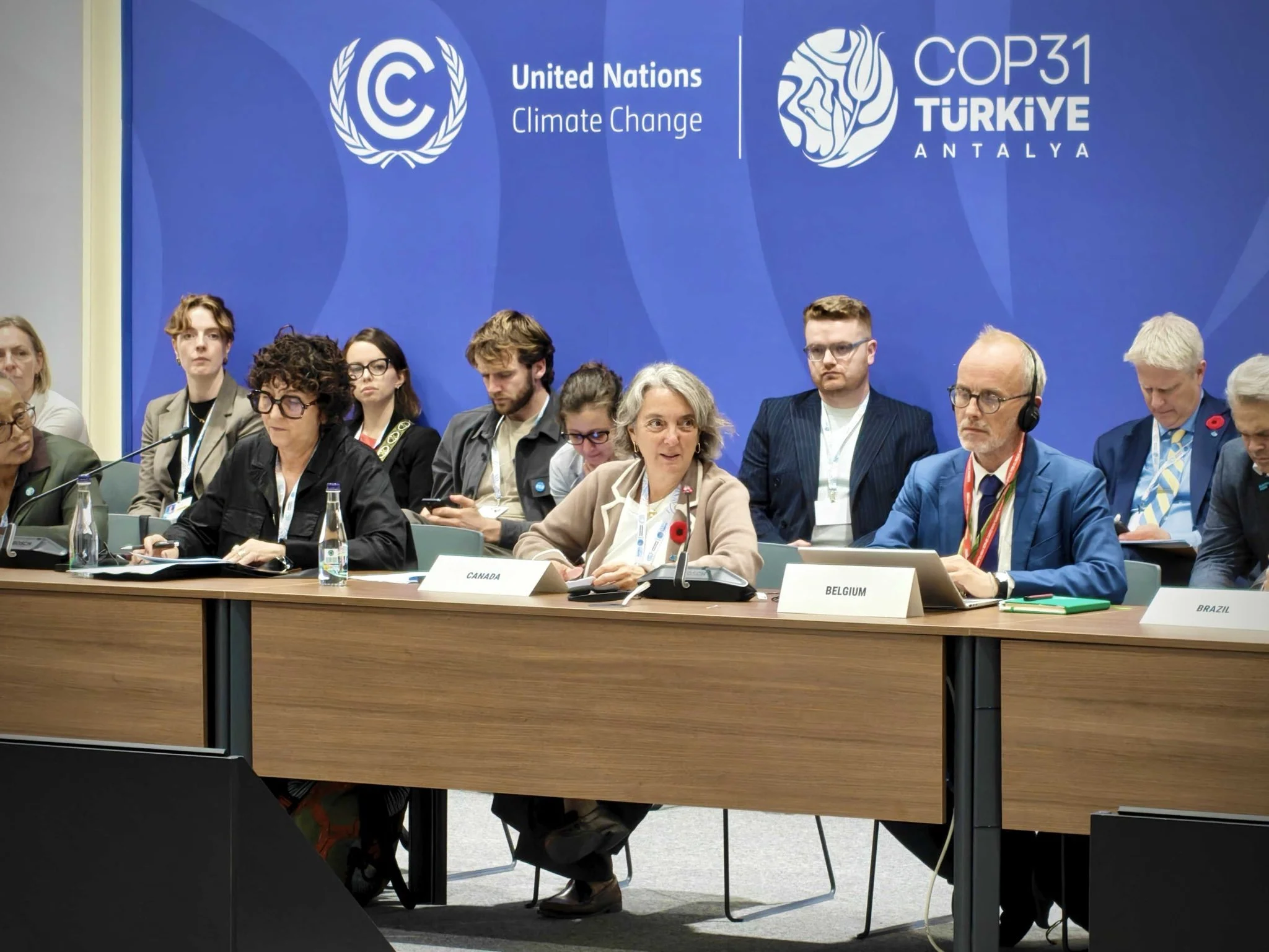
PwC Canada partner Elliott Cappell argues that the collapse of COP31 negotiations has created significant obstacles for international climate policy, with financial pressures widening divisions over climate financing and decarbonization. Cappell recommends that Canadian policymakers, investors and businesses prepare for global warming of between 3 and 5 C and adopt a more business-oriented approach to climate resilience that addresses risks to taxpayers, insurers, infrastructure operators and homeowners. He also suggests Canadian businesses adopt more achievable emissions reduction targets while maintaining their long-term net-zero ambitions, and urges future climate negotiations to focus on the costs of climate action and how they should be shared.
The COP31 no-deal was a failure. But it could also be a real opportunity



Previous
Previous
Why Trump’s Trade War May Benefit Canada in the Long Run
Next
Next