Ottawa's big build bill meets a labour fight
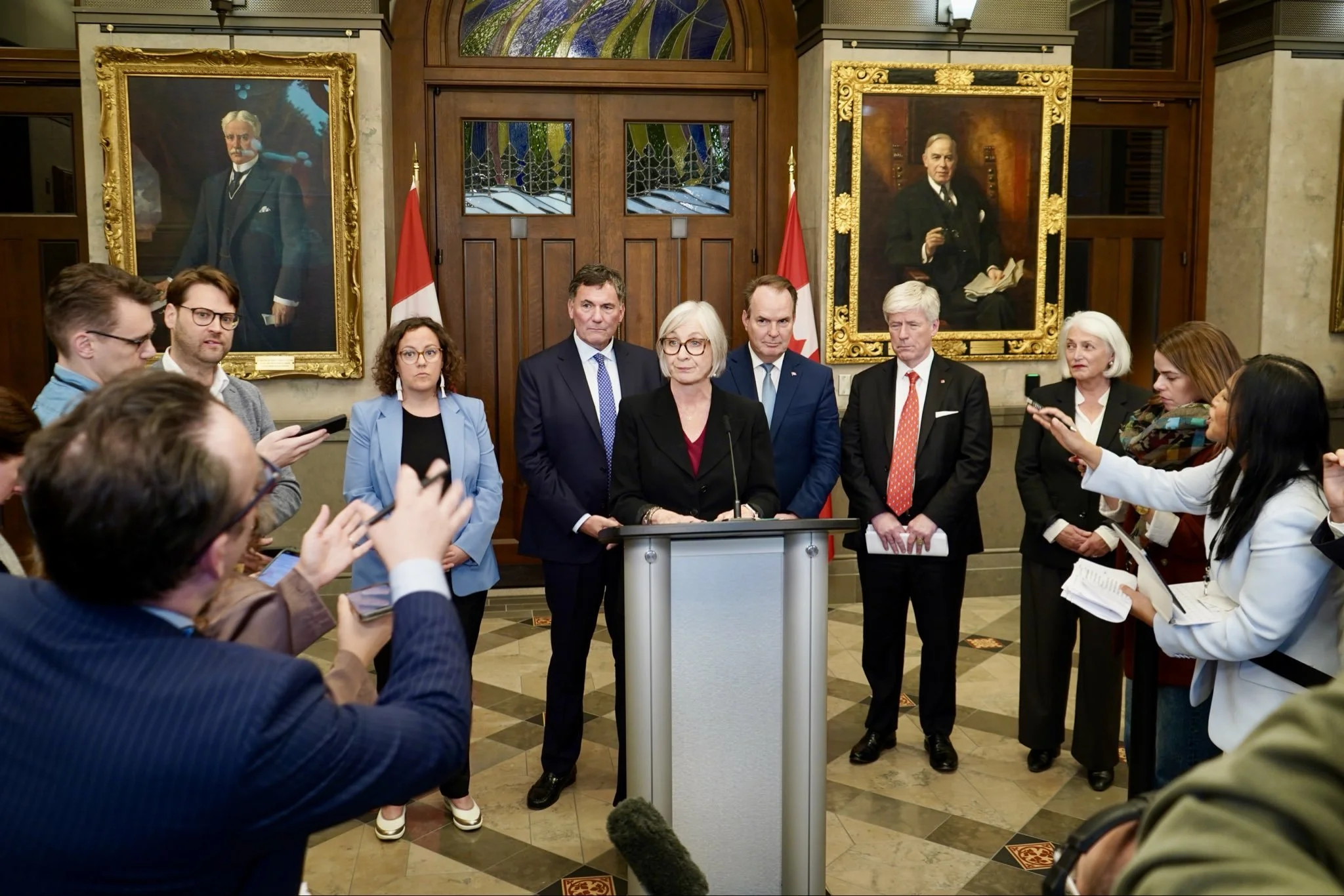
‘What we heard was clear: we need new tools to support parties and Canadians when high-consequence disputes arise,’ Jobs and Families Minister Patty Hajdu wrote on social media following the introduction of Bill C-39. / TWITTER PHOTO
A one-size-fits-all approach to labour disputes in legislation doesn't reflect the different economic impacts across industrial sectors, and the government should consider targeted frameworks instead, says a new Canadian Chamber of Commerce report.
Policymakers should pay closer attention to industries whose disruption can ripple through supply chains and affect businesses nationwide, says the report by University of Calgary professor Trevor Tombe.
"Through supply-chain linkages in particular, work stoppages in some sectors can generate economy-wide losses that are large relative to the scale of the initial disruption," Tombe says. "Sectors that are highly upstream and disproportionately important as input suppliers warrant closer attention, given their potential to generate large spillover effects when disrupted. Importantly, such an approach need not rely on discretionary or ad hoc decision-making."
The report estimates that a typical work stoppage in the transportation and warehousing sector could reduce Canada's real GDP by roughly $500 million. The impact is greater for rail: a 28-day disruption is estimated to cost $1.2 billion in GDP, with nearly $1 billion of that loss occurring outside the rail sector, in industries including construction and manufacturing.
“Debates about labour disruptions often focus on the workers and employers directly involved. That captures only part of the story,” Tombe said in a press release. “When a critical input such as rail transportation becomes unavailable, the effects travel through construction projects slowing down, manufacturers losing access to materials and businesses far removed from the original dispute absorb much of the cost.”
One project, one review, one year
The government introduced Bill C-39, the Building Canada Strong Act, on Monday, aiming to accelerate major project approvals, strengthen trade infrastructure and reform labour relations in federally regulated sectors. Among other measures, it would impose one-year timelines on certain federal reviews, create a transportation projects office and a National Trade Corridors Council, and introduce a new special mediator role for bargaining disputes, plus revised rules on ministerial intervention under Section 107 of the Canada Labour Code.
The government has framed the bill as a cornerstone of its economic agenda, tying it to Prime Minister Mark Carney’s promise of “one project, one review, one year.” Transport Minister Steven MacKinnon called it one of the most significant pieces of economic legislation in decades, telling reporters Monday it would “give our country the tools we need to build more, better, and more efficiently.” MacKinnon Monday.
Liberal MPs spent much of Wednesday’s second-reading debate defending the bill as providing greater certainty while maintaining environmental reviews and Indigenous consultations. “High standards do not require slow decisions,” Carney said earlier this week.
Opposition parties broadly agreed Canada needs to build faster but questioned whether the bill would deliver. Conservative Leader Pierre Poilievre argued it repackages previous promises: “Reviewing projects is not the same as building them.” The Bloc warned it could weaken environmental oversight and concentrate authority in cabinet. The NDP focused on Labour Code changes critics say could undermine the right to strike.
In a statement, Unifor National President Lana Payne warned the amendments come at a moment when unions need to defend collective bargaining rights amid the ongoing trade dispute with the U.S. “These proposed amendments to the Canada Labour Code give special authority to the Minister of Labour to override the ability of workers to exercise their right to strike,” she said.
Payne noted the bill also gives unions access to first-contract arbitration and addresses contract flipping. “Unifor members in airports especially have experienced the destabilizing effects of contract flipping, and it's far past time for this practice to end … all the more important now, given the government’s airport privatization plans,” she said.
The bill is expected to pass, given the Liberal majority.