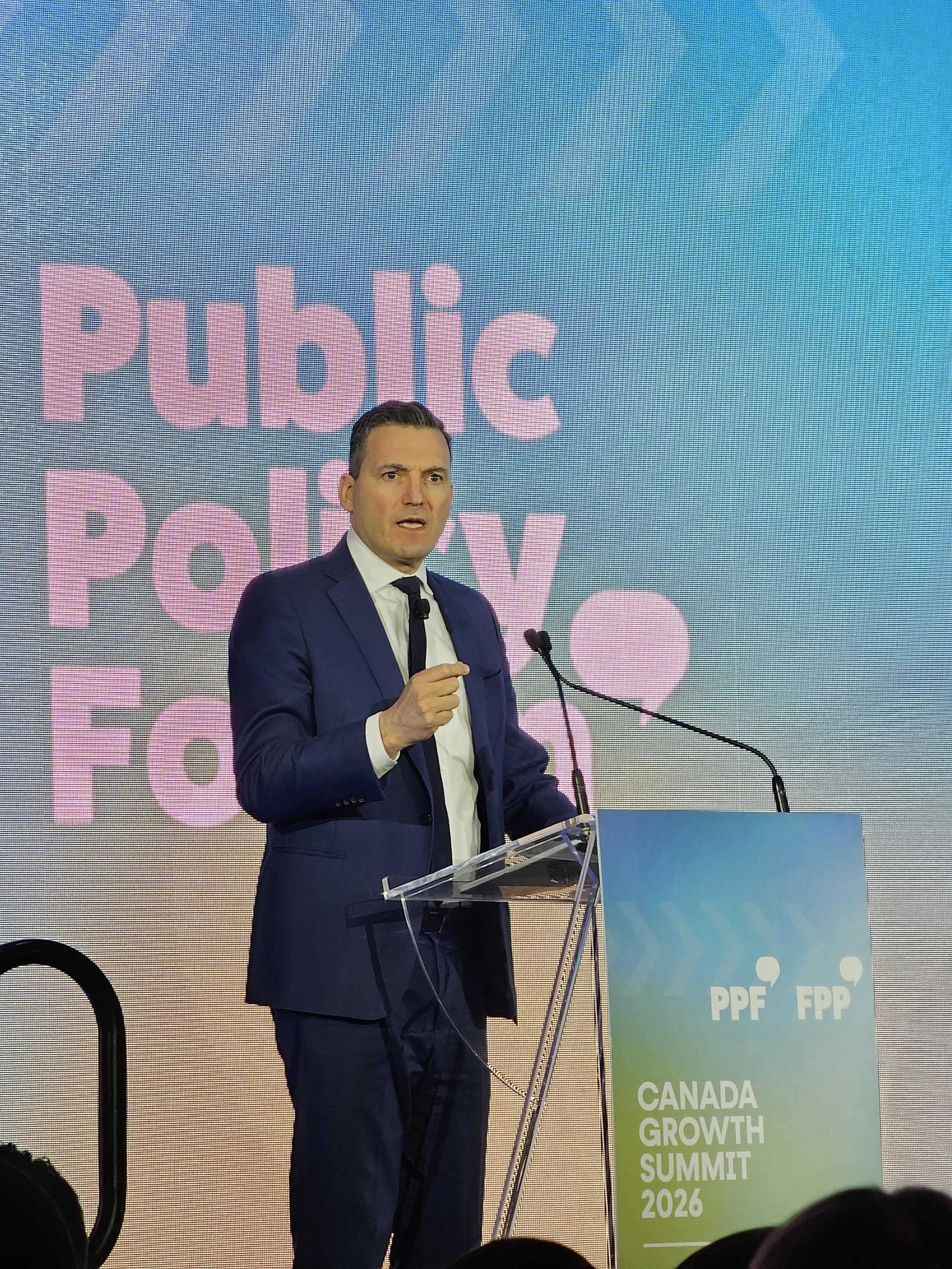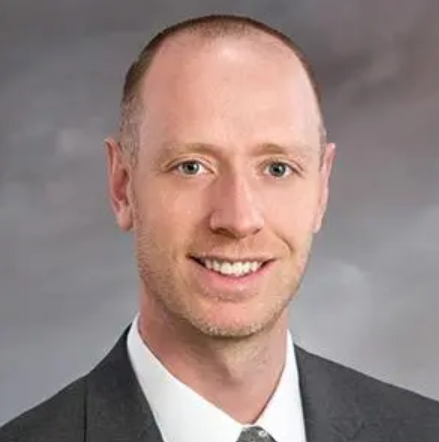
John Gibson, Director, Equity Research, Industrial and Energy Services at BMO Capital Markets. / BMO PHOTO
Canada has an opportunity to attract significant investment in artificial intelligence infrastructure, supported by its abundant energy resources, cooler climate and emerging regulatory frameworks, according to BMO Capital Markets.
“We're talking about one of the biggest capital cycles we've seen in a generation on par with things like the railroad build-out in the 1800s,” John Gibson, Director, Equity Research, Industrial and Energy Services at BMO Capital Markets, said on the Sustainability Leaders podcast.
BMO estimates global data centre capacity could increase from approximately 48 gigawatts today to nearly 200 gigawatts by 2035, representing an additional US$2 trillion to US$3 trillion investment, excluding chips.
Gibson forecasted domestic capacity rising from just over one gigawatt to between 13 and 15 gigawatts by 2035.
He identified four advantages for Canada: affordable natural gas, clean electricity, a cooler climate and available land, alongside supportive government policies.
Growing electricity demand, however, raises questions about consumer costs and environmental impacts.
Gibson highlighted federal and provincial frameworks designed to ensure data centre operators bear the costs of electricity generation, transmission and infrastructure upgrades.
“To me, it means pay for your own power,” he said, explaining the “bring your own power” approach promoted in Saskatchewan and Alberta.
He also emphasized the importance of community engagement, Indigenous partnerships, water management and environmental transparency.
“It's sort of ‘plan before you build,’ which is I think a very positive development,” Gibson said.
Success, he said, would involve Canadian companies participating in construction, electrical systems, cooling and power supply, while developing a skilled workforce and maintaining public trust.
“My hope is public trust is built through this build-out because we've seen the opposite in some regions,” he said.