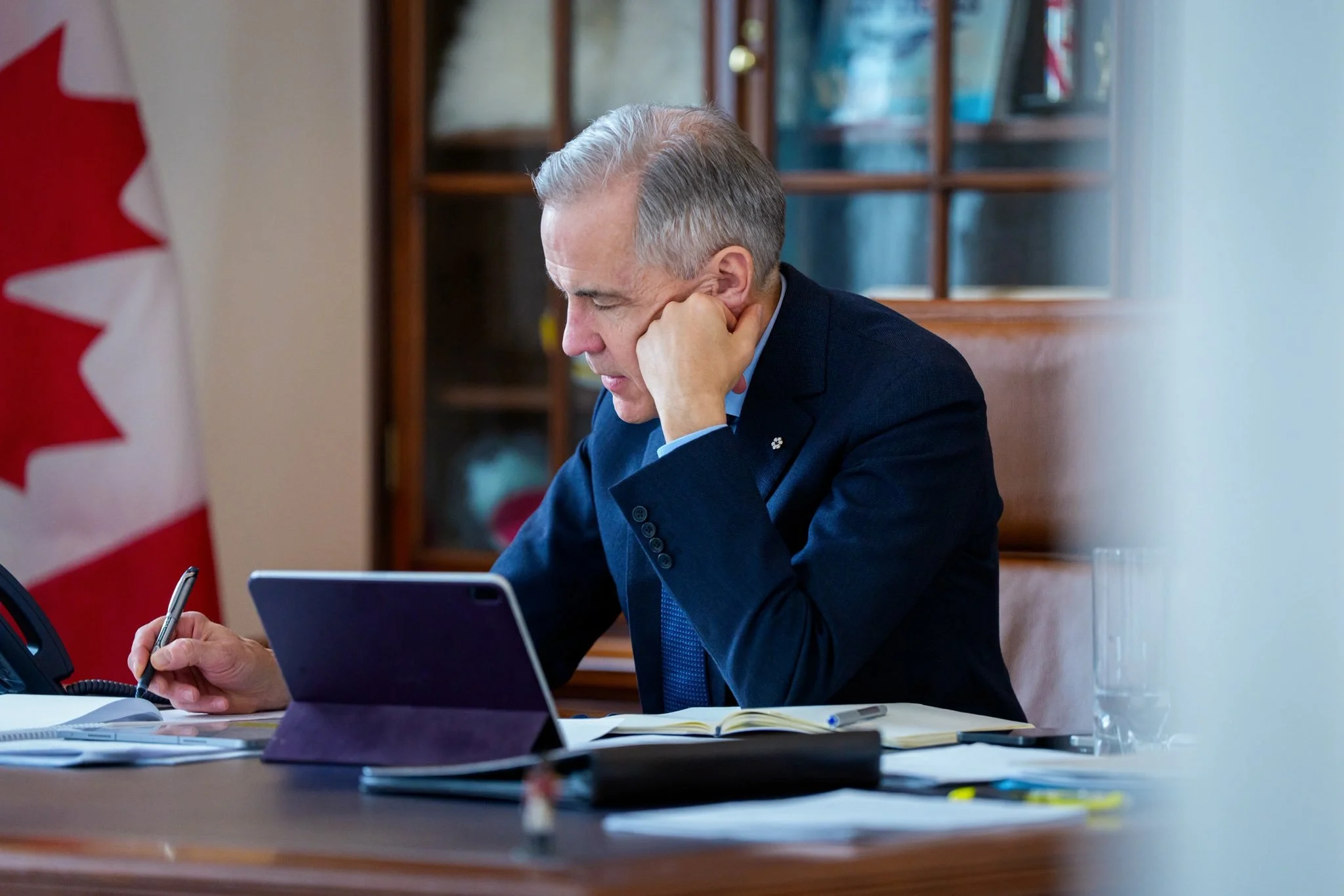
Carney’s deputy minister shuffle raises national security questions
The national security and intelligence adviser has long been one of the most influential roles in Canada’s security system, serving as the prime minister’s chief intelligence counsellor, coordinating federal agencies and representing the country in the Five Eyes. Experts say eliminating the standalone role — first formalized in 2003 and strengthened after the Sept. 11 attacks — raises questions about how Canada will manage rising global security risks. The change came as Prime Minister Mark Carney carried out a sweeping deputy minister shuffle designed to reorganize the public service around a more independent, coalition-focused foreign policy strategy. While officials say the restructuring could better integrate intelligence across departments, some analysts warn it may signal a downgrading of national security coordination at a time of growing threats.